In 1942, television was born in Paris, rue Cognacq-Jay. Today, around 60% of programs are filmed in Plaine-Saint-Denis. Baptiste Morel receives various guests to return to this story.
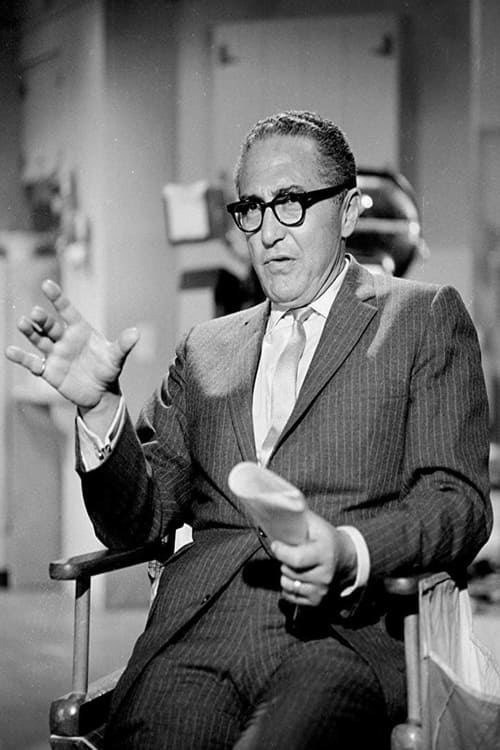
A loving tribute to a forgotten pioneer of the golden age of television. Starting out as a Runyonesque character actor, Sheldon Leonard went on to produce some of the most beloved and groundbreaking shows of all time, such as The Andy Griffith Show, The Danny Thomas Show, The Dick Van Dyke Show and I Spy. A rare treat, this film is a delightful retrospective of Leonard’s body of work, including priceless clips from his productions— as well as his hilarious appearances on shows such as The Jack Benny Program—and interviews with many of his friends and colleagues, including Mary Tyler Moore, Andy Griffith, Dick Van Dyke, Carl Reiner, Ron Howard and Leonard himself.
A select group of key creative forces involved in the making of Twin Peaks reveals their take on the fascinating creation and journey of the wildly popular show.
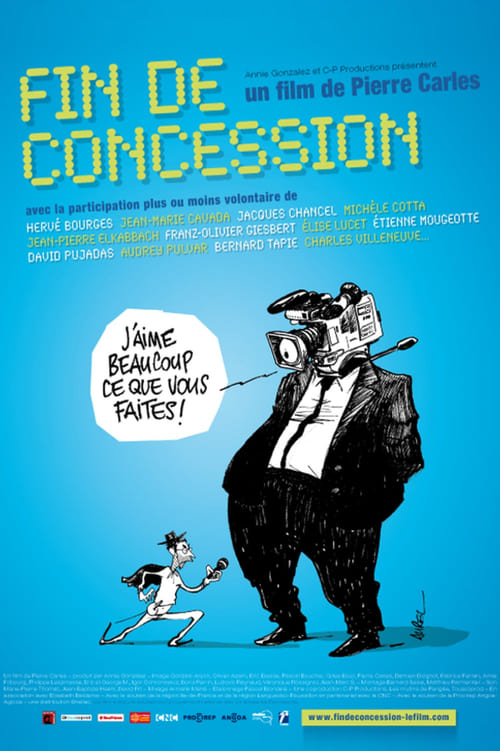
Pierre Carles questions the privatization of the leading French televisions channel : is it not scandalous that the TFI-Bouygues concession has been automatically renewed since 1987 ? Taking up the anti-television fight he initiated with "Pas vu Pas pris", his first film, he confronts the people responsible for the news who have always avoided tackling this taboo subject. But the investigation does not go as planned : the old dinosaurs and young guardians now how to handle this media critic. To find his "fighting spirit" again, Carles calls to arms his friends and changes methods : Henceforth, no more concessions !
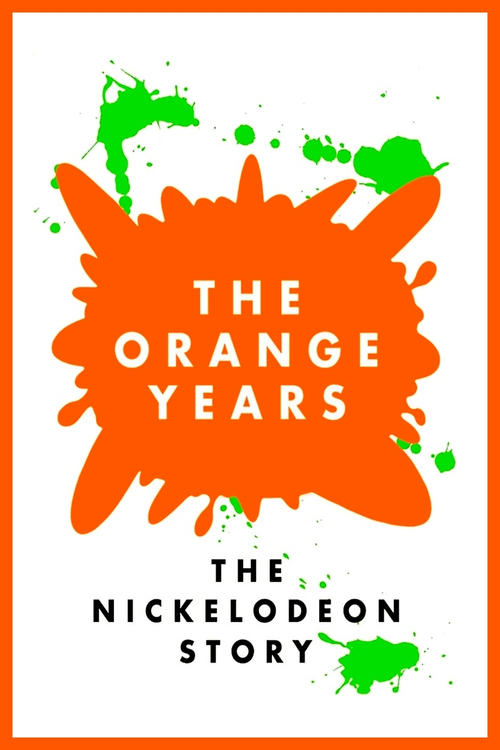
A journey behind the scenes of the Nickelodeon television network to chronicle its unprecedented success, from its humble origins as a small local channel to its status as an international phenomenon that helped shape an entire generation of children.
Even though her program was only seen in four Midwestern cities, Ruth Lyons presided over America's highest-rated daytime TV talk show for nearly two decades! This documentary draws upon rare and previously undiscovered footage, along with comments from associates and admirers to create a portrait of an outspoken, multi-talented woman who became one of the most beloved and influential figures in TV history. Featuring the Recollections Of: Carol Channing, John Davidson, Phyllis Diller, Phil Donahue, David Letterman, Johnny Mathis, Peter Nero, Bonnie Lou, Nick Clooney, Oscar Robertson and many others, along with archival audio and video of Ruth Lyons' 50-50 Club.
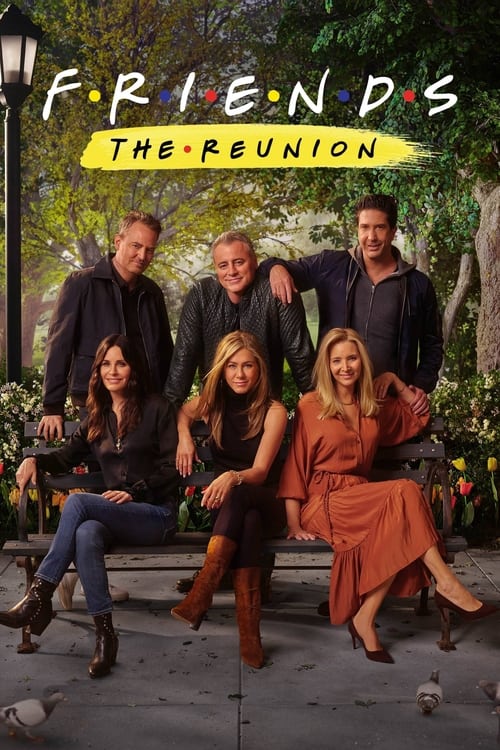
The cast of Friends reunites for a once-in-a-lifetime celebration of the hit series, an unforgettable evening filled with iconic memories, uncontrollable laughter, happy tears, and special guests.
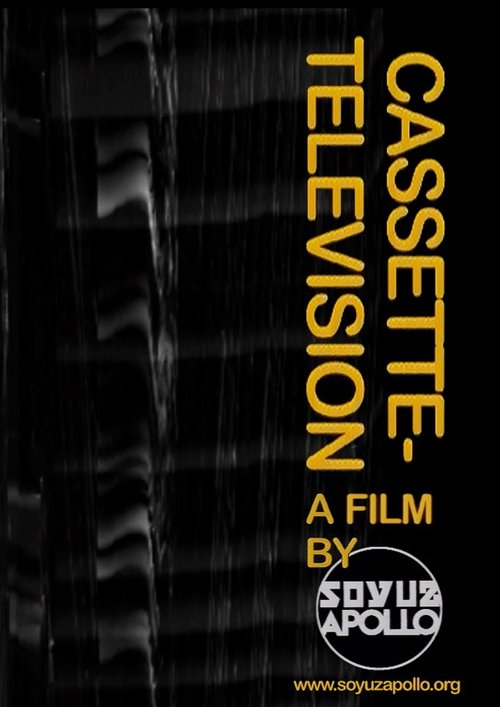
Kassetten-Fernsehen tells the story of the development of video as an entertainment medium in West Germany. The story begins with visions of a revolution and ends with a persistent censorship debate in a climate of intellectual and moral change.
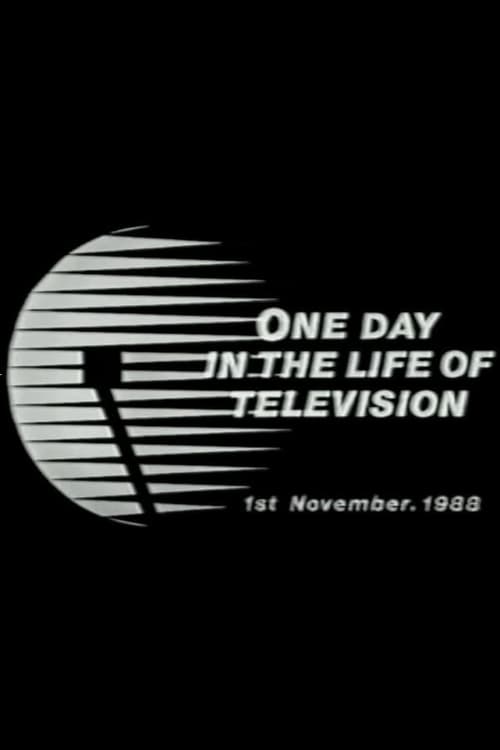
One day in the life of television is a documentary that was broadcast on ITV on 1 November 1989. Filmed by over fifty crews exactly one year earlier, it was a huge behind-the-scenes look at a wide range of activities involved in the production, reception and marketing of British television. The project was organised by the British Film Institute and produced and directed for television by Peter Kosminsky. A book by Sean Day-Lewis was published to accompany the documentary. It contained the thoughts of people throughout Britain, including industry professionals, who recorded their feelings and experiences of television viewing on 1 November 1988, the day that the documentary was filmed.
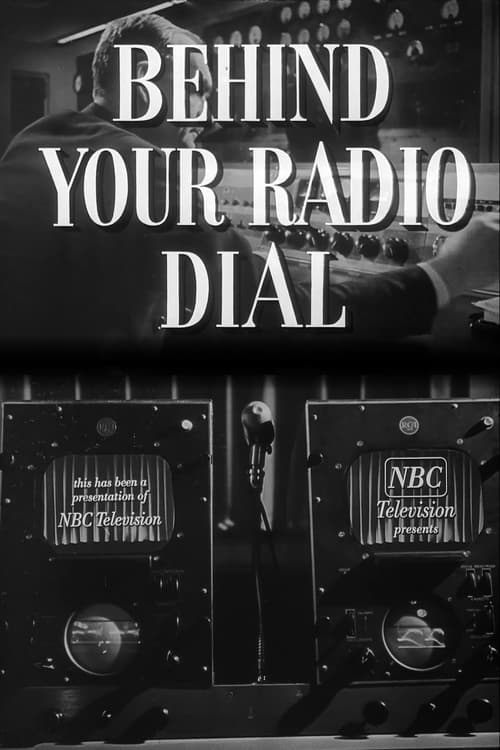
Familiar radio voice Ben Grauer leads the viewer on a behind the scenes tour of the National Broadcasting Company studios -- both radio and television -- in Rockefeller Center and Hollywood. The original 25-minute film previewed by network execs and affiliates in the fall of 1948 was cut down to 20 minutes before its first broadcast, reportedly to excise high-profile stars and programs such as Amos 'n' Andy, Jack Benny, and Edgar Bergen that had since left NBC for other networks.
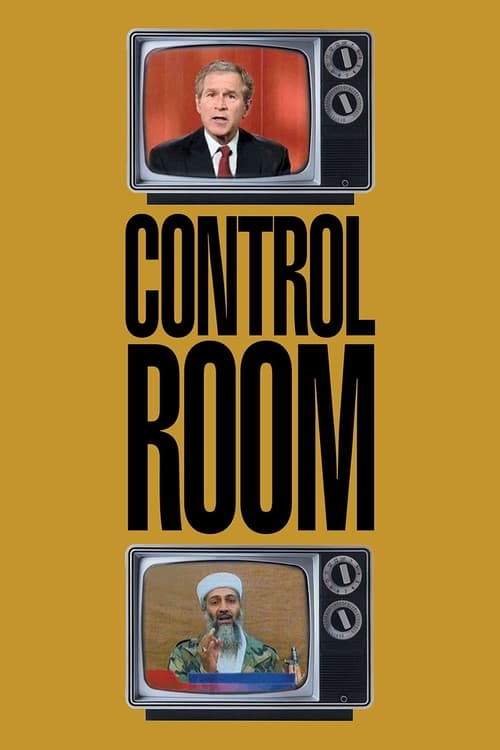
A chronicle which provides a rare window into the international perception of the Iraq War, courtesy of Al Jazeera, the Arab world's most popular news outlet. Roundly criticized by Cabinet members and Pentagon officials for reporting with a pro-Iraqi bias, and strongly condemned for frequently airing civilian causalities as well as footage of American POWs, the station has revealed (and continues to show the world) everything about the Iraq War that the Bush administration did not want it to see.
TV special revisiting the documentary series that became a media sensation 50 years ago and birthed a new television genre. Examines the enduring significance of the series, which chronicled seven months in the lives of the Loud family of Santa Barbara, California.
Cruelty, psychological and sexual violence, humiliations: reality television seems to have gone mad. His debut in the early 2000s inaugurated a new era in the history of the audio-visual. Fifty years of archives trace the evolution of entertainment: how the staging of intimacy during the 80s opened new territories, how the privatization of the biggest channels has changed the relationship with the spectator. With the contribution of specialists, including philosopher Bernard Stiegler, this documentary demonstrates how emotion has made way for the exacerbation of the most destructive impulses.
Details the German bombing of London the night of the 29th of December, in 1940.
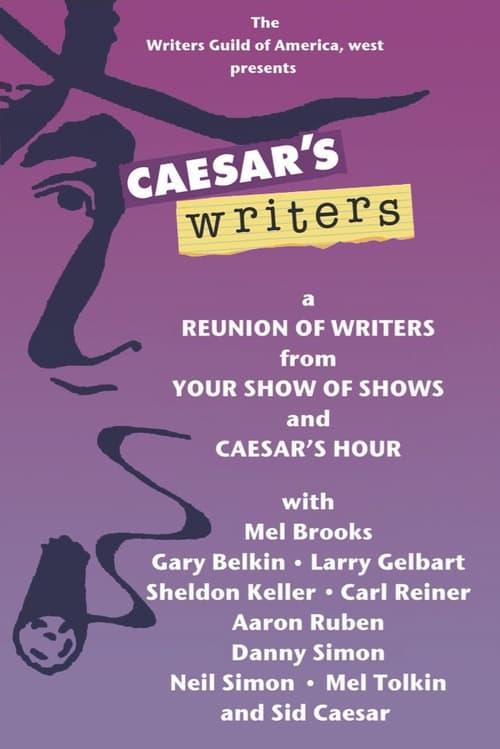
On January 24, 1996, at the Writers Guild Theater in Los Angeles, CA, legendary comic Sid Caesar was reunited with nine of his writers from Your Show of Shows and Caesar's Hour. The event was taped for release on PBS and BBC in a 1-hour cut, and later on VHS and DVD in its full 2-hour length. Be prepared to laugh non-stop as the panel, made up of head writer Mel Tolkin, Caesar, Carl Reiner, Aaron Ruben, Larry Gelbart, Mel Brooks, Neil Simon, Danny Simon, Sheldon Keller, and Gary Belkin share stories about their time working on Caesar's shows and offer their insights about writing comedy.
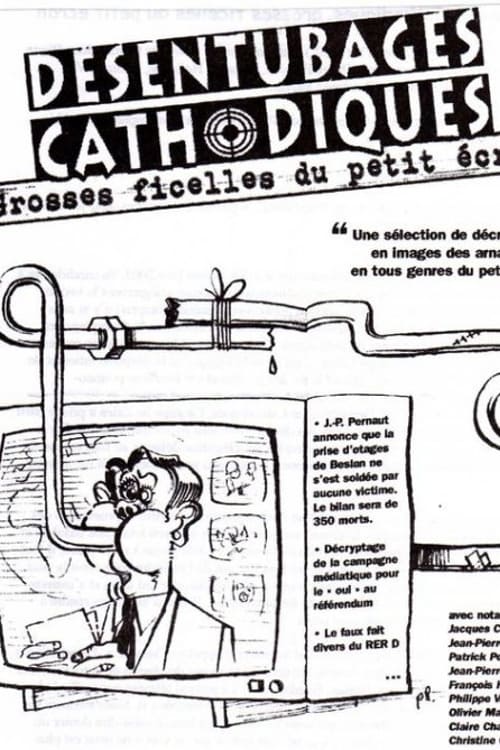
From falsehood to mystification to manipulation and false impartiality, the whole logic of disinformation and brutality is brought to light. When the king of the media and his politico-journalistic buffoons are sifted by a radical counter-audiovisual power, the discredit of the "elites" sanctioned by the referendum of May 29, 2005 is better understood. With this film, Zalea TV's team had decided to laugh about it and make them laugh, even if at bottom these discoveries were rather disturbing. By staging a series of very simple techniques of "self-defense", this film is an invitation to self-disengage permanently. The use of the TV-B Gone, an instrument whose sole function is to turn off the television, appears here as the ultimate resort to media criticism.