Following the restoration of the forgotten Surinamese documentary Oema foe Sranan (1978) this film exposes stories of activism and struggle that enabled the production and distribution of this militant documentary.
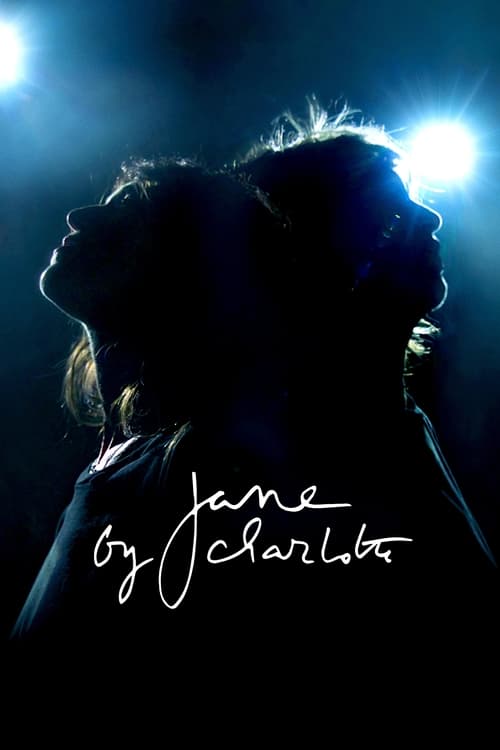
Charlotte Gainsbourg looks at her mother Jane Birkin in a way she never did, overcoming a sense of reserve. Using a camera lens, they expose themselves to each other, begin to step back, leaving space for a mother-daughter relationship.
Born a lower-caste girl in rural India's patriarchal society, "married" at 11, repeatedly raped and brutalized, Phoolan Devi finds freedom only as an avenging warrior, the eponymous Bandit Queen. Devi becomes a kind a bloody Robin Hood; this extraordinary biographical film offers both a vivid portrait of a driven woman and a savage critique of the society that made her.
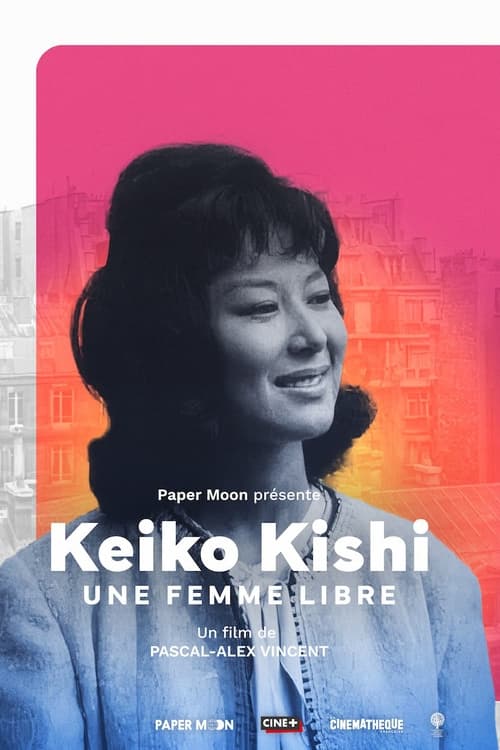
Born in 1932, Keiko Kishi has been one of the first Japanese actresses known worldwide. Her decision to move to France and to marry director Yves Ciampi in 1957 – after he filmed her in Typhoon Over Nagasaki starring Jean Marais and Danielle Darrieux – caused a huge scandal in Japan. Despite this transgression, Keiko Kishi continued acting in her home country with Kon Ichikawa, Yasujiro Ozu, Masaki Kobayashi… building unique bridges between Japanese and European cultures. Free and rebellious, she emancipated herself from the many obstacles she encountered in the film industry, and created her own production company in her early twenties. Let’s look back at the story of a pioneer, an inspiration for many generations.
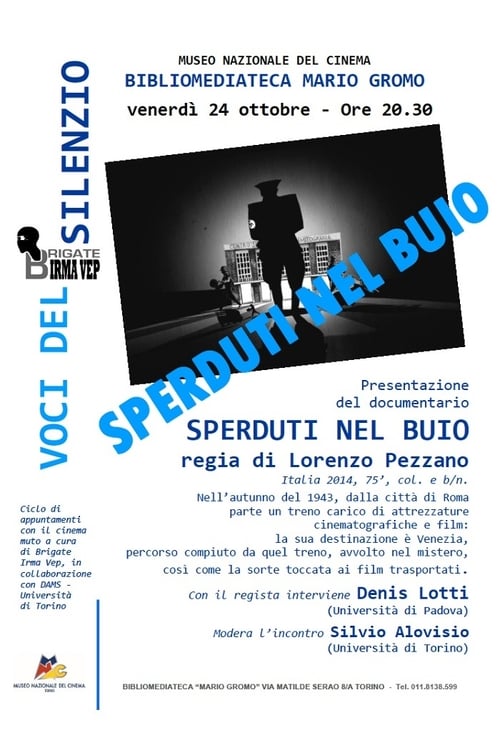
Documentary about the lost 1914 film "Sperduti nel buio". Film historian Denis Lotto journeys across Europe following the trail of the lost movie.
Told through performances, TV interviews, home movies, family photographs, private letters and unpublished memoirs, the film reveals the essence of an extraordinary woman who rose from humble beginnings in New York City to become a glamorous international superstar and one of the greatest artists of all time.
Why are we still able, today, to view images that were captured over 125 years ago? As we enter the digital age, audiovisual heritage seems to be a sure and obvious fact. However, much of cinema and our filmed history has been lost forever. Archivists, technicians and filmmakers from different parts of the world explain what audiovisual preservation is and why it is necessary. The documentary is a tribute to all these professionals and their important work.
Negev Desert, Israel, 1987. Bashir Abu Rabi'a works as a pyrotechnics and special effects assistant on the film Rambo III, starring Sylvester Stallone, a shoot that will have far-reaching consequences for the local Bedouin population.
Jazz, dreams, and hope. The protagonist of the film is Wiesław Mrzygłód, a musician and artist. He has an extraordinarily positive attitude to the world, life, and music. In the 1980s, together with the Old Dixieland Players, he played at the most important jazz events in Poland and Europe. Despite doctors' opinions, he says, "Someday, I will play again." He refuses to give up. The film was made using analog and combined techniques, based on drawing using oil pastels, prints, and re-filming methods.
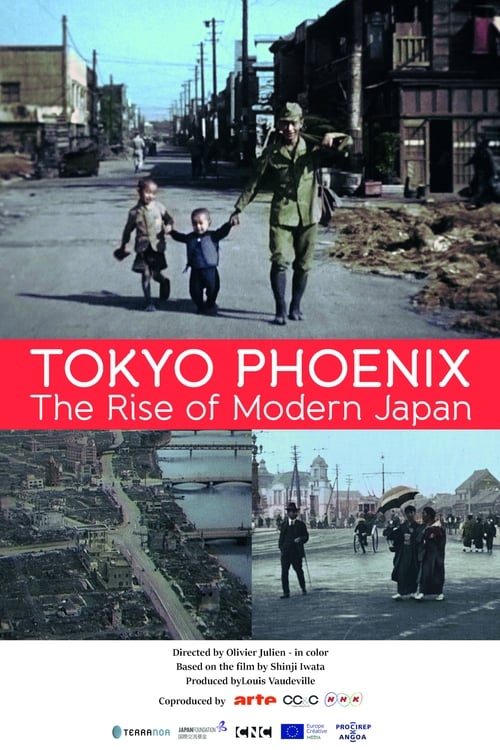
In 150 years, twice marked by total destruction —a terrible earthquake in 1923 and incendiary bombings in 1945— followed by a spectacular rebirth, Tokyo, the old city of Edo, has become the largest and most futuristic capital in the world in a transformation process fueled by the exceptional resilience of its inhabitants, and nourished by a unique phenomenon of cultural hybridization.
With a maddening sensuality, the unforgettable actress of the film "A Special Day" embodies the golden age of Italian cinema. From the suburbs of Naples to Hollywood, this biographical documentary looks back at the flamboyant career and destiny of Sophia Loren.
Offers audiences a unique window into a bygone era when a thrilling new invention, the motion picture camera, first captures a nation on film.
Renowned documentarian Louis Theroux dived into the BBC Archives and selected his favourite documentaries. Each of them had an impact on Louis and explains why he chose the documentaries and how they have inspired his work.. Covering a range of styles - some vérité-driven, others told more through interview - but in all of them you see life at its most raw, its most strange and therefore its most human.
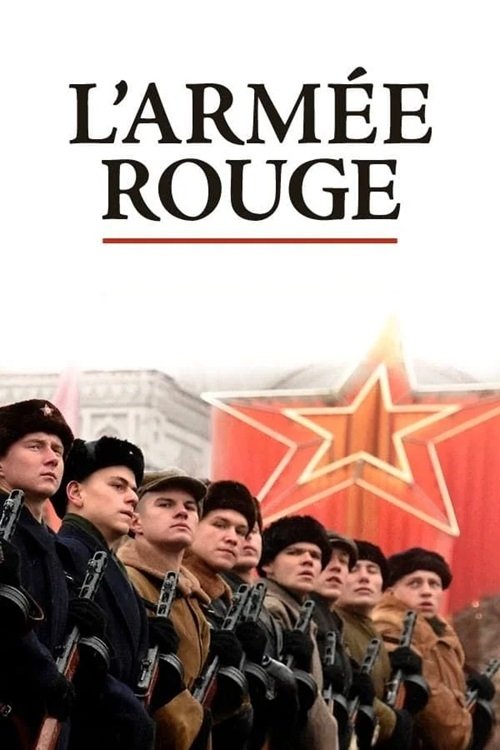
For 70 years, the Red Army was one of the pillars of the USSR, an object of both fear and admiration, a symbol of both liberation and coercion. This documentary explores its history, combining epic storytelling with the deconstruction of myth. While everyone knows that Trotsky's name is attached to his creation, contrary to popular belief, the bulk of his story is made up of defeats and military failures. Thanks to an all-archival montage, this film is a veritable immersion in the heart of...
Quebec, on the cusp of the 1960s. The province is on the brink of momentous change. Deftly selecting clips from nearly 200 films from the National Film Board of Canada archives, director Luc Bourdon reinterprets the historical record, offering us a new and distinctive perspective on the Quiet Revolution.
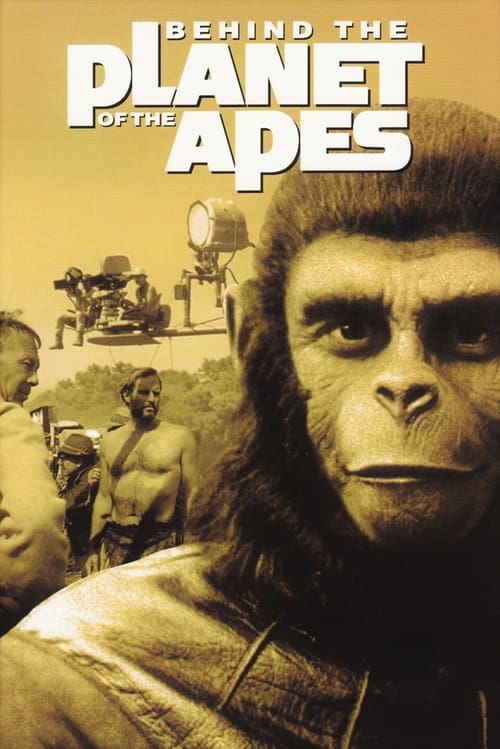
Roddy McDowall takes you, film by film, from production meetings to make-up sessions, then right onto the movie set to see the actual filming of the science fiction masterpiece. The most comprehensive history of Planet of the Apes ever created, this fascinating 127-minute documentary explores one of the most imaginative and influential series in movie history.
As a letter to her son, the filmmaker testifies her experience as a photographer aboard the Aquarius, a ship that rescued 29,523 people in the Mediterranean between 2016 and 2018.