María Magdalena Gesto Nogueira
as Protagonista
The city and its parking lots.
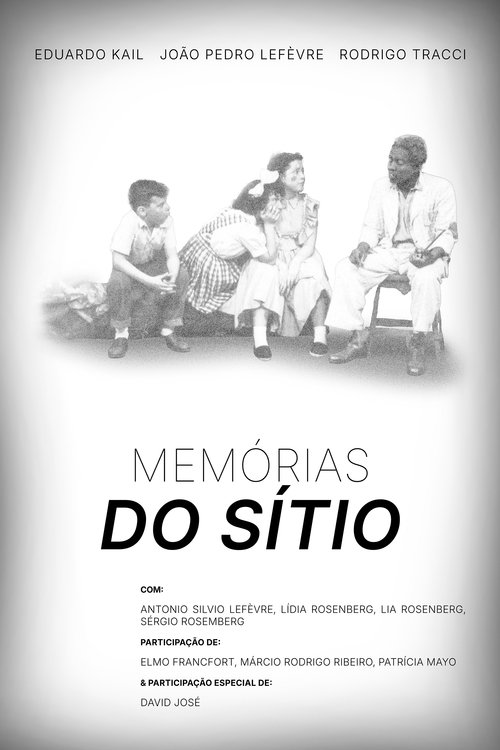
In 1952, TV Tupi, Brazil's first television channel, invited psychiatrist Júlio Gouveia and his wife, Russian writer Tatiana Belinky, to develop the network’s children's programming. The couple then asked the sons and daughters of their friends to join the cast of the newly created shows, the most prominent of which was Sítio do Picapau Amarelo. And so, Antonio Silvio, Lia, Lídia, Sérgio, and David José embarked on an unexpected journey that would come to shape the future of Brazilian television. Memories of the Sítio is a trip through the personal recollections of these actors and the story of the first television adaptation of Monteiro Lobato’s work.
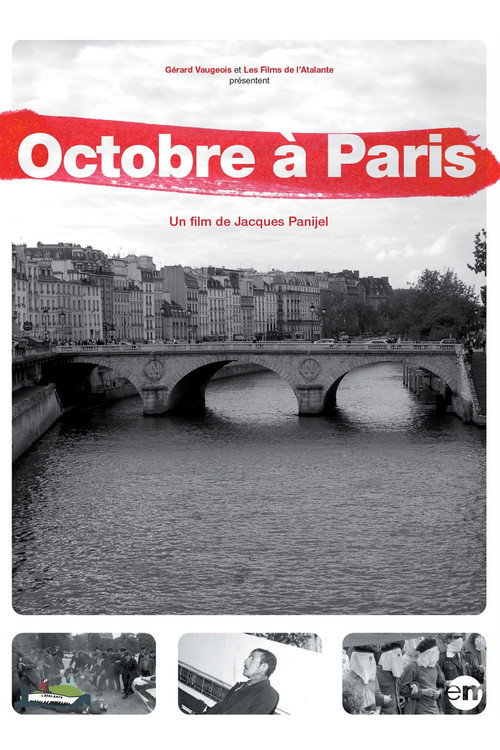
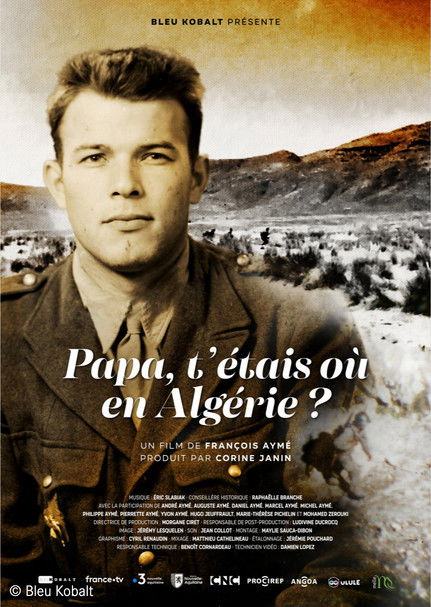
On October 17, 1961, 30,000 Algerians demonstrated peacefully in Paris to protest the discriminatory curfew imposed upon them and to demand Algerian independence. Under the authority of the then Prefect of Police, Maurice Papon, the demonstration was brutally repressed, resulting in the deaths of dozens of Algerians. Historians cite eleven thousand arrests, dozens of murders, demonstrators thrown into the Seine, hundreds of expulsions, and just as many complaints that went unanswered; all for a night that would become a blind spot in the national narrative. No investigation, no trial, and certainly no commemoration. The day after the demonstration, Jacques Panijel began filming *October in Paris* to alert the public to the massacre that had just taken place in the streets of Paris. The film was banned by the French authorities. It obtained a distribution license in 1973. It was first shown in theaters in October 2011.
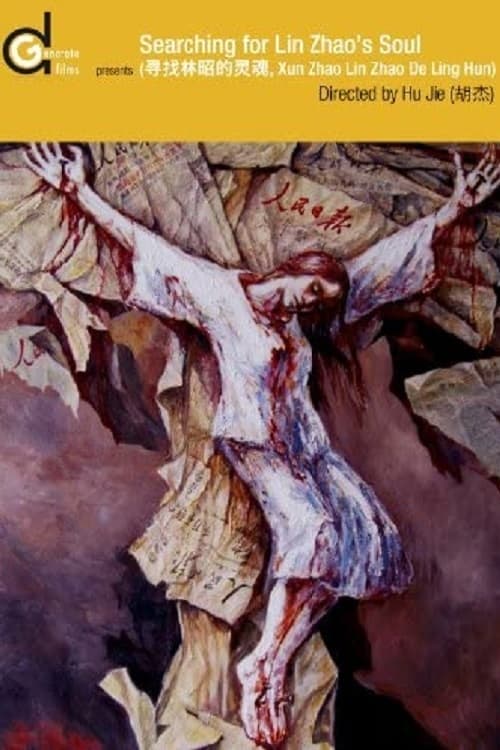
This landmark documentary reveals the tragic life of a gifted young woman who was executed for speaking out during the height of Chairman Mao’s rule.
Documentary about twin brothers who go back to their childhood home to discover what happened to a Patrick Lurzing, a boy who disappeared who nobody else seems to remember.
A community of cats lives in the Soledade Cemetery Park in Belém. "7 Vidas" follows these animals through a fictional letter written by one of them to his former owner. With real images of the cats among graves and trees, the film builds a sensitive narrative about abandonment, freedom and memory, revealing the poetry hidden in the coexistence between life and death.
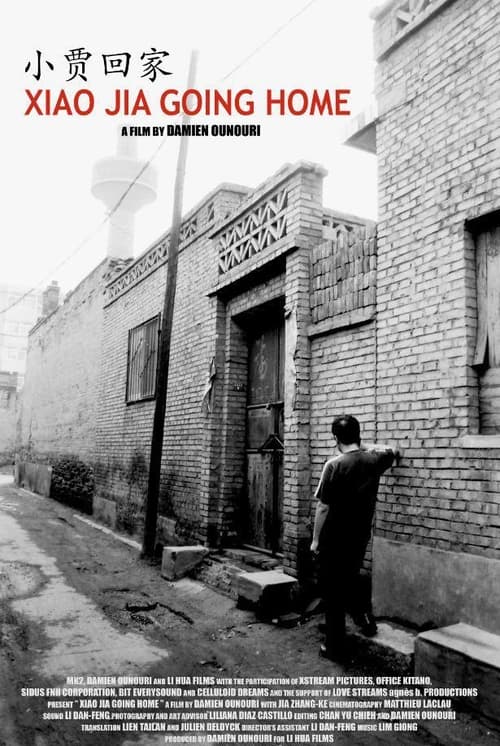
Leading Chinese Sixth Generation filmmaker Jia Zhangke returns home to Fenyang in Shanxi province after winning the Golden Lion Award at the Venice Film Festival for Still Life (2006). The experiences of his childhood, the people he grew up with, and the changing landscape of his home town gave Jia the inspiration to make his first films. The documentary forms a poignant inquiry into the past of the director's life and Chinese society at the same time.
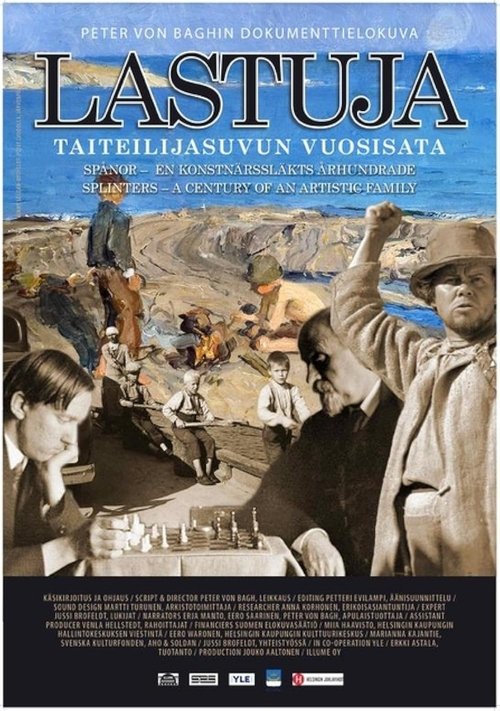
Peter von Bagh's documentary about Juhani Aho and people around him.
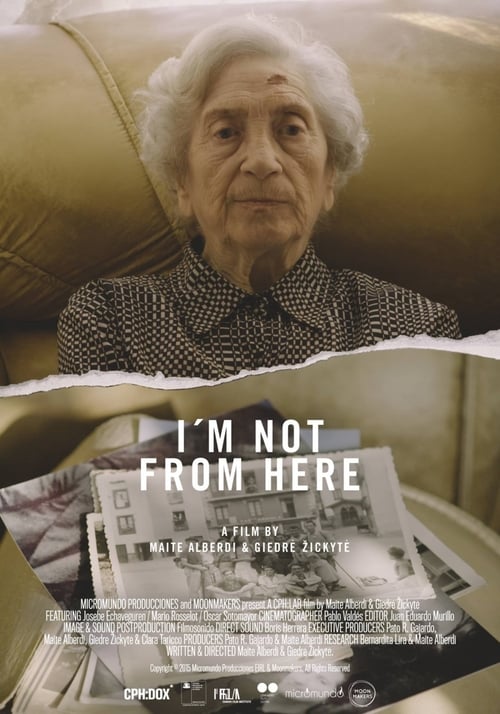
Day after day, an elderly woman recalls the Spanish Basque country of her youth — while forgetting she is consigned to a retirement home in Chile.
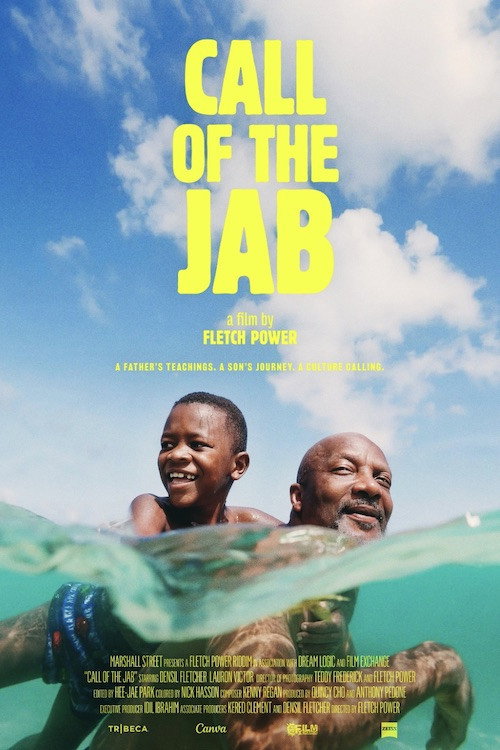
A powerful cultural documentary about a Caribbean father and son who return to Grenada to reclaim ancestral stories. Blending folklore, myth, and underwater visuals, the film preserves Black heritage and reframes the feared Jab Jab as a symbol of resistance and identity.
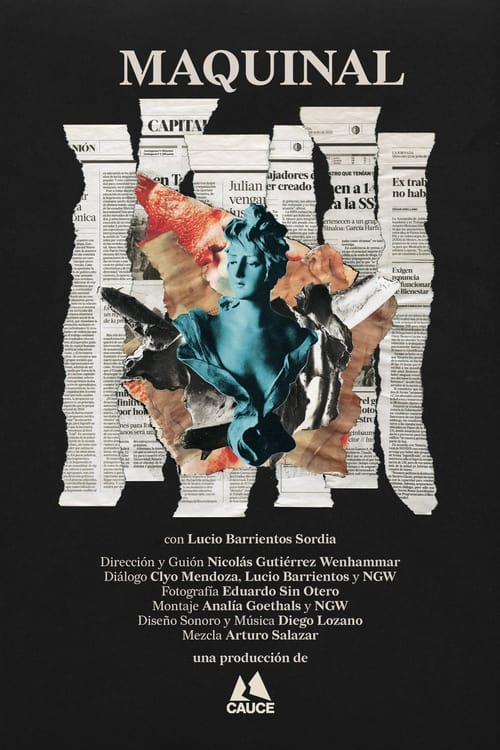
Memory is a ghost. Lucio, a printing press worker, takes one last walk around the machines with whom he shared everything. He remembers when his mechanisms used to move and through that mechanical movement he reflects about his own life.