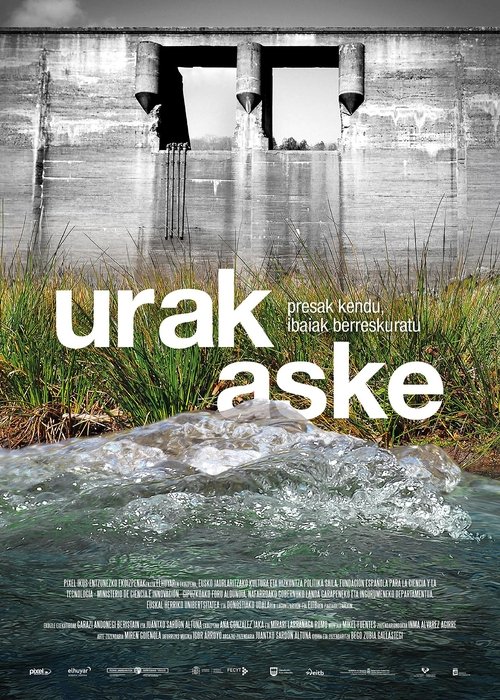
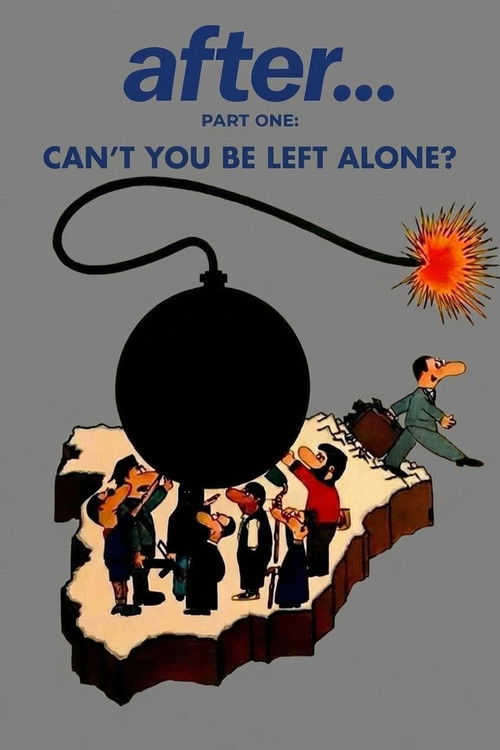
Pilot chapter of the film series 'Ikuska', a compilation of shorts on the Basque Country’s culture and politics. A documentary about the referendum on the Spanish constitution.
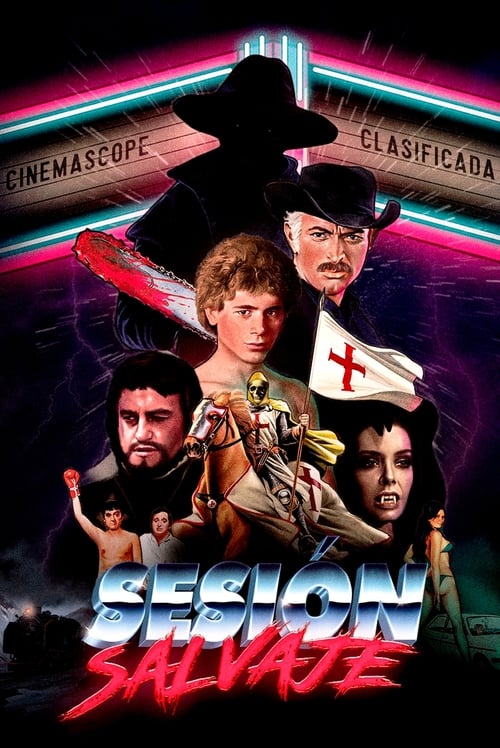
A walk through the golden age of Spanish exploitation cinema, from the sixties to the eighties; a low-budget cinema and great popular acceptance that exploited cinematographic fashions: westerns, horror movies, erotic comedies and thrillers about petty criminals.
In 1967, in the midst of Franco's dictatorship, a group of seminarians thirsty for freedom founded the group Enarak. They played pop, rock and psychedelia, styles that were foreign to the society of the time, and all of it entirely in Basque. After hundreds of concerts, they mysteriously disappeared in 1971. Fifty years later, the singer's son, Beñat, sets out to find traces of the group, immersing himself in a film labyrinth that mixes ornithology, collage and eccentric research.
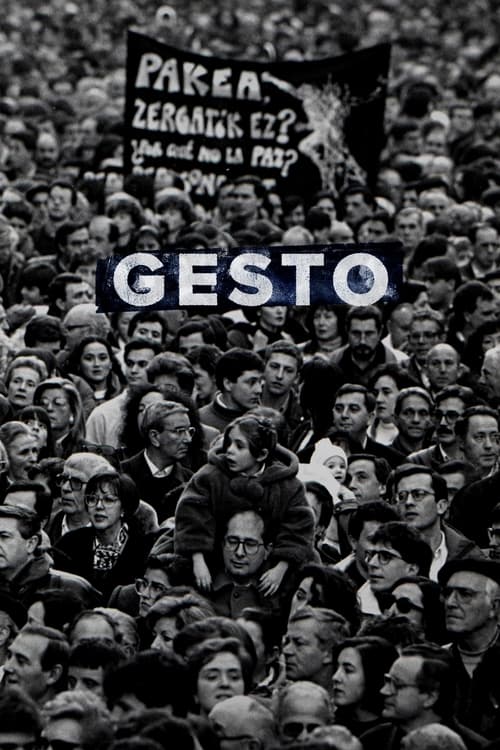
The history of the citizens' movement that for thirty years worked hard to overcome fear, fight hatred and eradicate the violence exercised by the savage terrorist gang ETA, both in the Basque Country and in the rest of Spain.
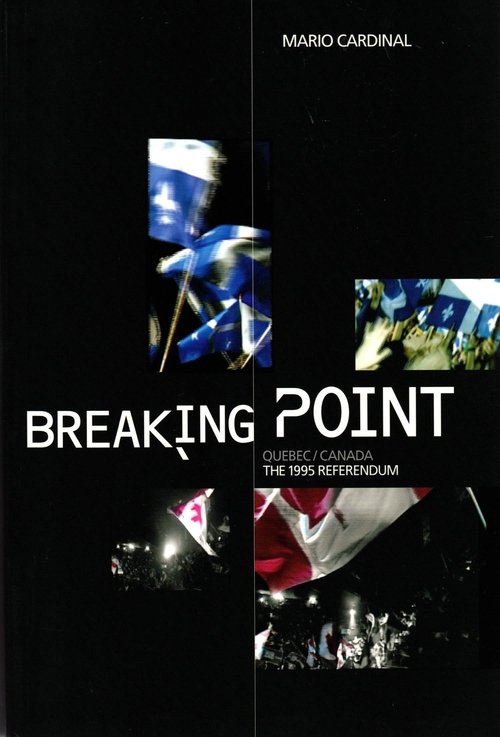
BREAKING POINT brings viewers back to those tense, critical moments when Canada's future as a country was at stake.
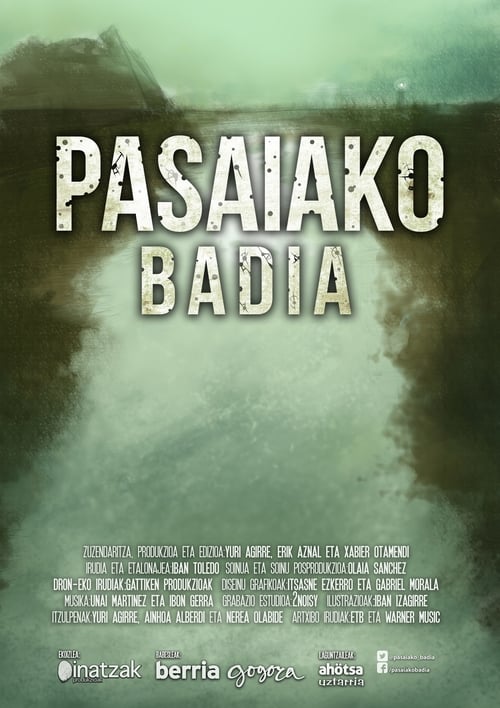
An attempt to create a bridge between the different political positions that coexist, sometimes violently, in the Basque Country, in northern Spain.
An in-depth interview with José Antonio Urrutikoetxea, known as Josu Ternera, one of the most relevant leaders of the terrorist gang ETA.
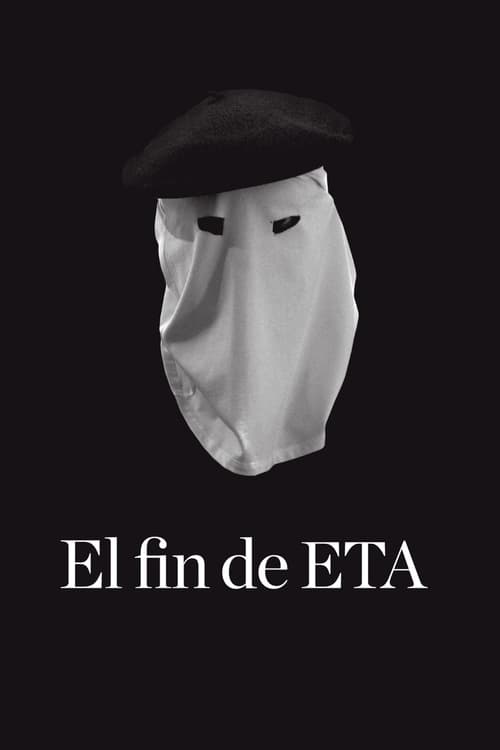
The chronicle of the process, ten long years, that led to the end of ETA (Euskadi Ta Askatasuna), a Basque terrorist gang that perpetrated robberies, kidnappings and murders in Spain and the French Basque Country for more than fifty years. Almost 1,000 people died, but others are still alive to tell the story of how the nightmare finally ended.
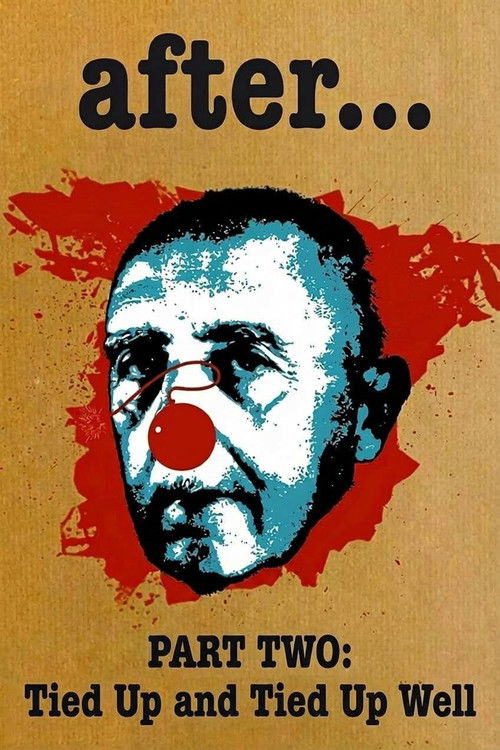
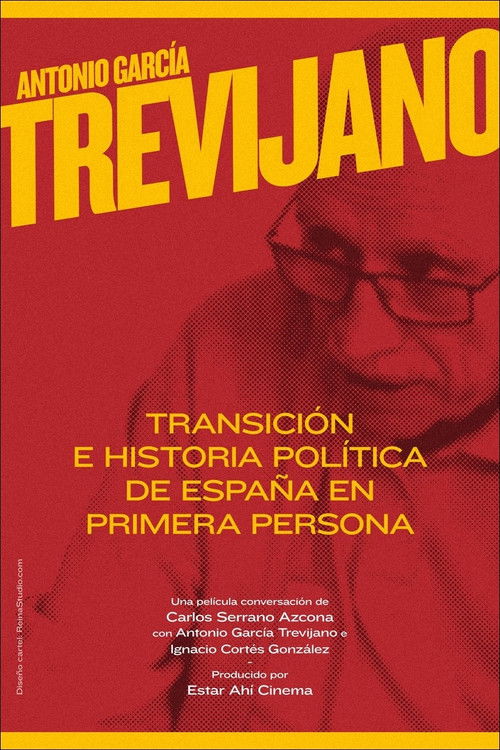
A history of the Spanish Transition told in first person by the main protagonists: on the one hand, the politicians, idealistic or merely opportunistic, who brought it to a successful conclusion in the tribunes and offices; on the other hand, the citizens who, in the streets, supported it sincerely or fought it with ferocity.
Quebec, on the cusp of the 1960s. The province is on the brink of momentous change. Deftly selecting clips from nearly 200 films from the National Film Board of Canada archives, director Luc Bourdon reinterprets the historical record, offering us a new and distinctive perspective on the Quiet Revolution.
Euritan is a review of the narrative 'Klara eta biok', written by Itxaro Borda in 1985. Putting the author against the words of her past, it updates her view on the peripheral relationship around the Basque character.
At just 17 years old, Eduardo Madina and Borja Semper decided to enter politics to defend freedom of thought in the Basque Country. This made them a target of the ETA terrorist group for almost two decades.
Forty years later, Guillermo Montesinos, the actor who played José María el Cepa in The Cuenca Crime (1980), directed by Pilar Miró, returns to the various locations where the shooting of the mythical film, narrating the infamous Grimaldos case (1910), took place.
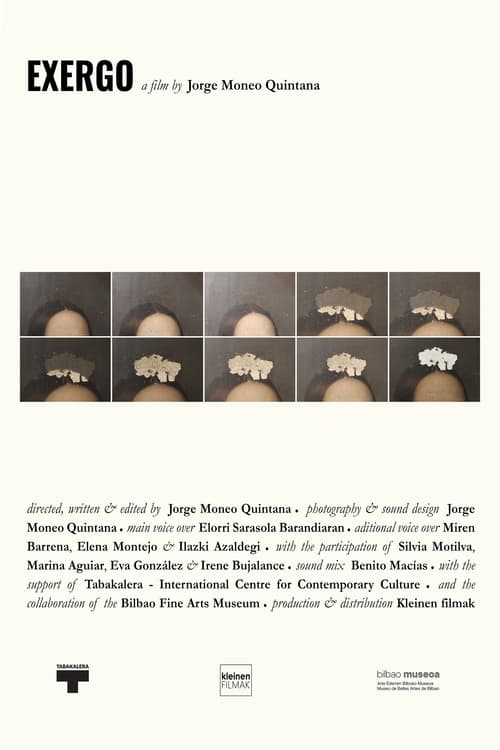
Departing from peripheral details of some paintings of the Bilbao Fine Arts Museum, a female narrator unravels several stories related to the economic, social and psychological conditions of past and current artists.
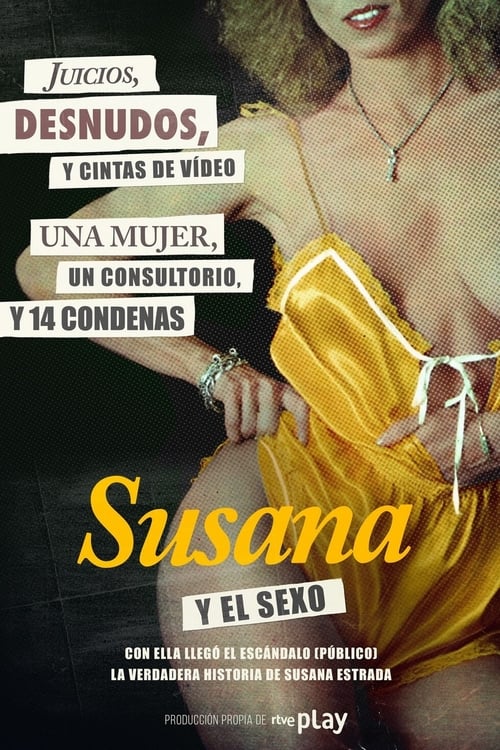
The story of iconic Spanish artist Susana Estrada's struggle against censorship and sexual repression during the turbulent years following the death of dictator Francisco Franco.
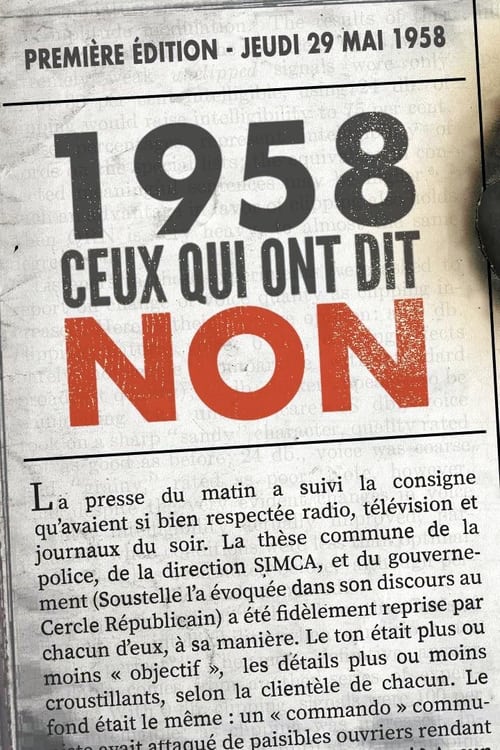
On October 4, 2018, France celebrated the 60th anniversary of the Fifth Republic. It is a republic born in the throes of the Algerian War and one which—from the day it was founded by General de Gaulle until the presidency of a very Jupiterian Emmanuel Macron—has been assailed as a “Republican monarchy” by partisans of a more assertive parliamentarian state. By revisiting the struggle of those who dared oppose the new regime — only to suffer a crushing defeat on September 28, 1958, when they were barely able to garner 20% of the vote against the constitutional text — this film shines a powerful new light on the origins of the Fifth Republic and its consequences for the next 60 years. It is a constitutional debate that planted the seeds for a complete upheaval of the French political landscape, on the left in particular, and set the country in motion toward what would be called the Union of the Left.
The abject crimes of the terrorist gang ETA have marked the lives of many Spaniards; men, women and children who were silenced, harassed, persecuted, finally murdered. Thirteen stories, thirteen tragedies, just thirteen among thousands.
Spanish jurist and republican thinker Antonio García-Trevijano (1927-2018) expounds his political thought and reflects on the recent political history of Spain.