The documentary is about the destruction of the republican educational model. It narrates the cleansing that Spanish teachers underwent during and after the Civil War.
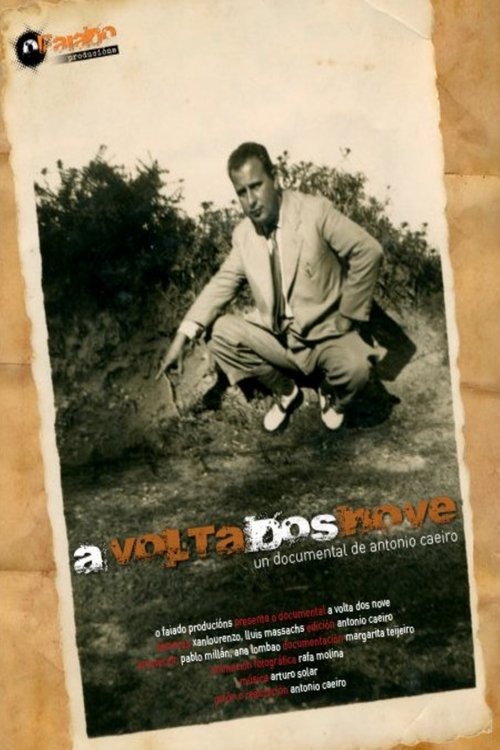
During the 30s, the young Catalan teacher Antoni Benaiges takes office at a rural school in northern Spain. Antoni has a simple project: he wants to teach his pupils to write and to be free through the use of the printing press. But his dream ends very soon. An individual and collective story in memory of the victims of the Franco's repression.
Heart of the Generacion 27, Spanish poet Emilio Prados recalls his lifetime from Mexican exile where Spanish Civil War has forced him, as other Spanish intellectuals in 1930s.
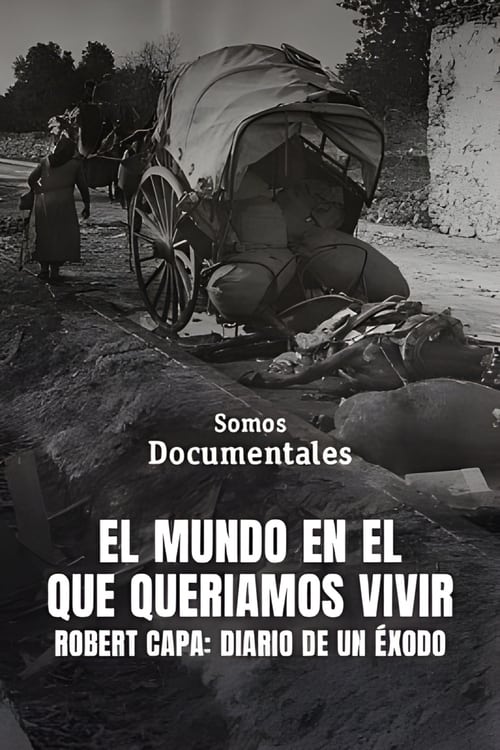
Analysis of Robert Capa's professional career and the historical impact of his visual treatment of the Spanish Civil War.
A missing submarine in Spanish Civil War leads to the first German Navy operation before WW2. Republican submarine C-3 was the victim of international secrecy and intrigues, after a torpedo from U-34 sunk it on December 12th 1936.
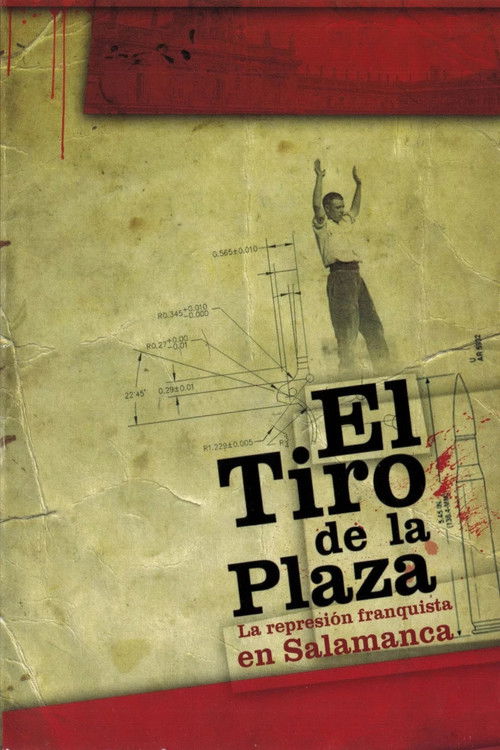
Documentary that narrates a key moment in our history: the Franco coup d'état, the cruel repression that was carried out and the attempts at resistance in the Charra province. Many people are convinced that Salamanca surrendered with open arms to the coup plotters; However, nothing could be further from the truth. In Salamanca there was repression and there were attempts at resistance; There were arrests and there were tortures, there were shootings and there were disappearances. In Salamanca there was also harsh repression that manifested itself in all its forms.
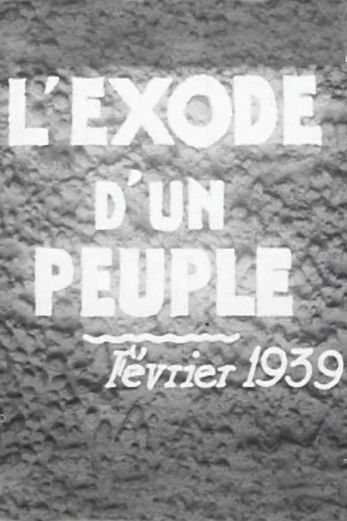
At the start of 1939 an exodus of nearly 500,000 Spanish Republicans, soldiers and civilians together, fleeing Franco's troops crossed the border to France. Louis Llech, a Perpignan based shopkeeper and enlightened amateur cineaste, owned a 16mm camera. Together with his friend Isambert, he filmed this extraordinary migration. Fascinated by the military aspect of this Retirada, he favoured shots of parades, of crowds, like those showing military equipment. He nonetheless also showed civilian distress, without insisting on its picturesque aspects, focussing more on images of the uninterrupted flow of refugees.
The story of the concentration camp on San Simón Island (Ría de Pontevedra) during the years of the Spanish Civil War (1936-39), told by its protagonists. Hours and hours of video recording resulted in this documentary which tries to reflect the emotion and tragedy of those years. A research project based on an oral history methodology.
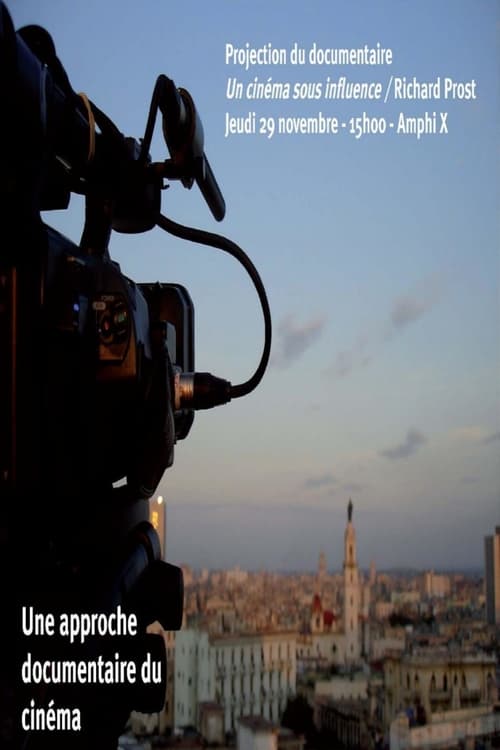
We had to wait until the Spanish “Movida” of the 1980s to see films that did not emanate from Francoist propaganda. But Spain had already experienced a period of cinematic splendor, during the civil war, when the film studios were under the control of the Republicans. By describing the "competition" between Republican and Francoist cinemas of the time, Richard Prost provides a unique vision of the Spanish Civil War.
A group of forensic doctors begins the exhumation of a mass grave in Vilagarcía de Arousa. This is the story of those who seek and those who seek them.
A story about the memory of the memory, which starts from the revenge perpetrated on October 15, 1936, when nine men were killed in Bayonne as a result of events that happened two days before, and which involved the death of a resident of that town and more than one Falangist .
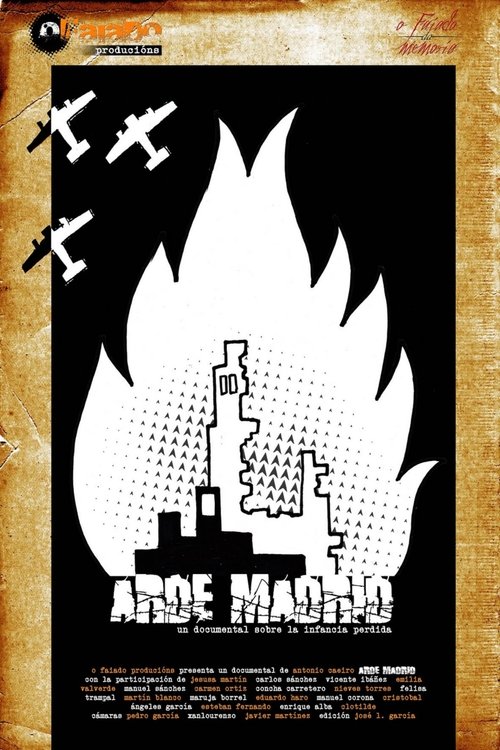
A documentary, of incalculable power, that reflects the abrupt interruption of childhood through thirteen survivors who at the time of 1936 were between six and twenty-two years old. The film narrates his experiences during the conflict, his fears, his hunger, which became more acute after 1937 when Madrid was isolated by Franco's troops. The memories of the protagonists are interwoven with archival images and with the testimony of Eduardo Haro Tecglen and several other people, respecting the silences and pauses in which the interviewees relax the emotions that these memories stir up in them. A cinematic beast's blow where life becomes death: the story of a childhood lost in the midst of embers, hunger and blood.
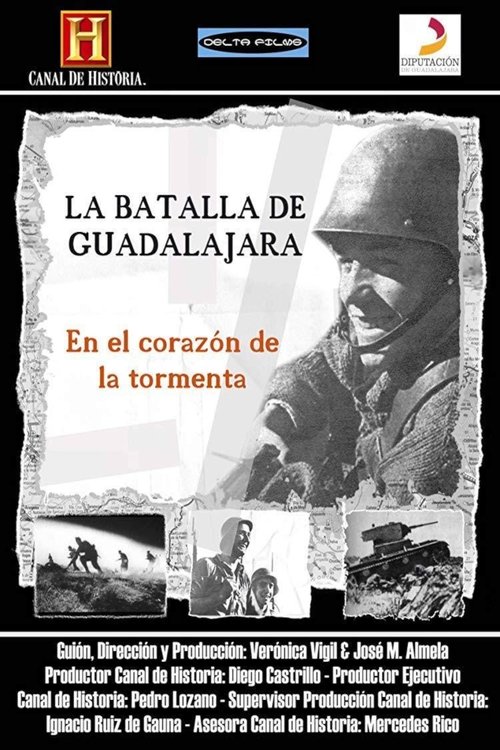
Documentary about the battle of Guadalajara which took place in March 1937 during the Spanish Civil War and was the last major victory of the Republican Army.
Documentary filmed between September 2012 and March 2013. It tells the story of a valley in the mountains that extends through the north of the provinces of Cádiz and Málaga, the last Republican bastion in the area when Franco's troops already occupied all of them. the nearby regions. La Sauceda was bombed and the town destroyed forever by the air force and four columns of Franco's army. The survivors were locked up in the Marrufo farmhouse, in the municipality of Jerez de la Frontera, where five or six people were shot every day. With the testimonies of the interviewees, everything that happened in those months from the summer of 1936 to the winter of 1937 is reconstructed and the work carried out by the Forum and the Association since 2011 to locate the mass graves is also narrated, in which in the summer of In 2012, the bodies of 28 people were exhumed.
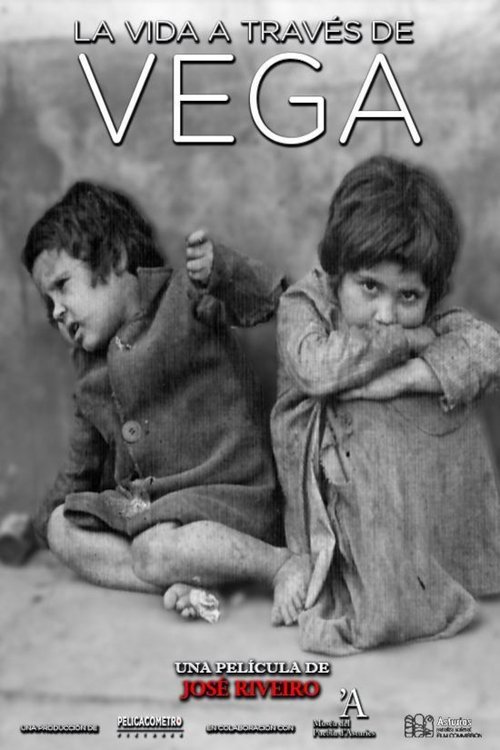
The Asturian Valentín Vega is considered one of the most relevant photographers of the last century. He knew how to portray all the essential elements of daily life like no one else and at the same time exercise a devastating display of social criticism. After spending three years in prison for his political affiliation and managing to establish himself as a street photographer, he would continue to offer an unusual image of reality and daily life from the 1940s onwards.
Truncated Utopia tells the story of Luisa Rendón Martell, a republican activist who was retaliated against in the province of Cádiz during the civil war and Franco's regime.
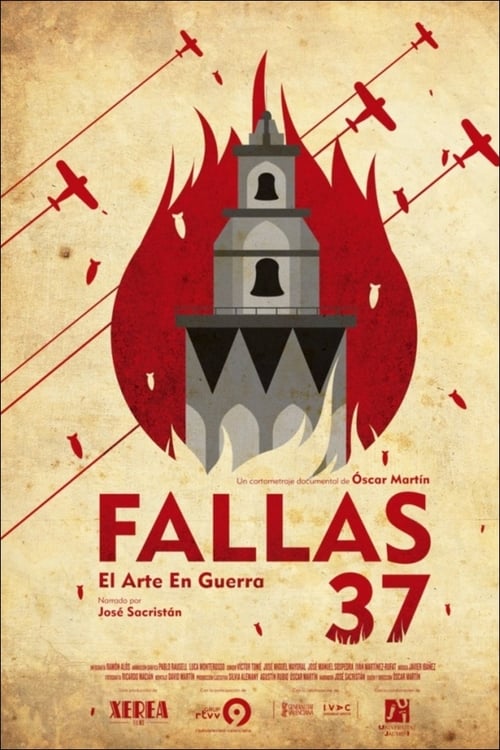
In November 1936, a few months since the beginning of the Spanish Civil War, the government of the Second Republic moves to Valencia. In this situation, several Valencian artists and intellectuals decide to build four fallas — satirical plasterboard sculptures created to be burnt — to mock fascism.
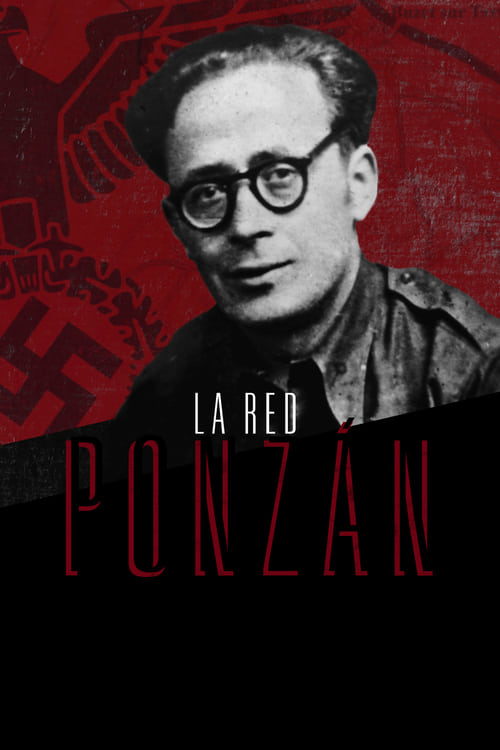
During the Spanish Civil War (1936-1939) and the Second World War (1939-1945), around three thousand people managed to elude their pursuers, and probably also avoided being killed, thanks to the heroic and very efficient efforts of the Ponzán Team, a brave group of people — mountain guides, forgers, safe house keepers and many others —, led by Francisco Ponzán Vidal, who managed to save their lives, both on one side and the other of the border between Spain and France.