The historic gathering of three hundred indigenous activists from North, South and Central America who met in Quito, Ecuador, in July 1990 to organize a cross-continental indigenous resistance to the Columbus Quincentennial.
An NFB crew filmed a group of three families, Cree hunters from Mistassini. Since times predating agriculture, this First Nations people have gone to the bush of the James Bay and Ungava Bay area to hunt. We see the building of the winter camp, the hunting and the rhythms of Cree family life.
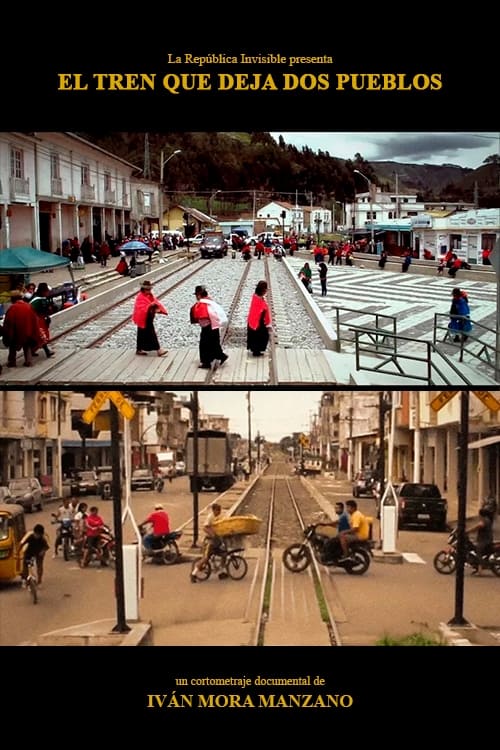
In Ecuador, in a single day, the train passes from the mountainous Andes to the tropical coast. The roads were built between 1861 and 1908 to connect the country. Until this date, the two regions live as separate countries, although the roads connect them in less than a day. The film is an observational work that talks about space and collective memory.
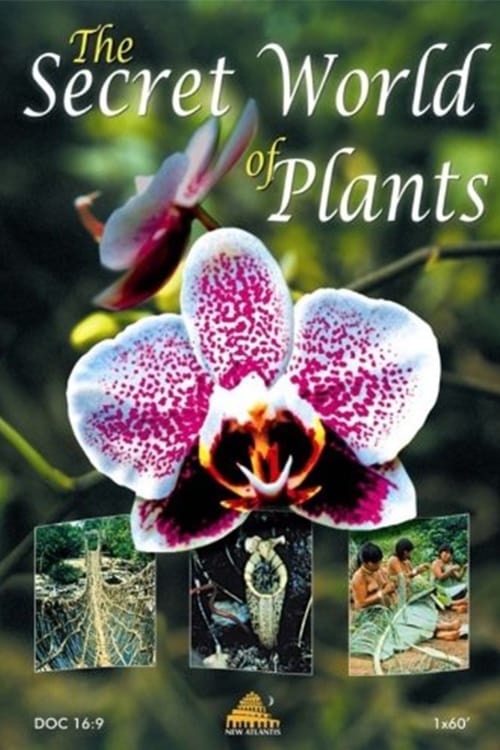
The secret world of plants gets us closer to these motionless and quiet creatures, so attractive and surprising as the rest of the living creatures. The documentary reveals the most unknown aspects of the vegetable kingdom. We learn about the secret of the eternal youth of a 3500 years old sequoia and be charmed by the 'rafflesia arnoldi' flowers, able to reach up to one meter of diameter.
“Shellmound” is the story of how one location was transformed from a sacred center of pre-historic cultures to a commercial mecca for modern people. What began as a Native American burial ground three thousand years ago, was transformed first into an amusement park, and later an industrial age paint factory. Now, the tainted ancient soil sits beneath the glittering lights of Banana Republic, Victoria’s Secret, and the AMC movie theaters. “Shellmound” examines the decisions made during the recent toxic cleanup, excavation, and construction of the Bay Street mall through the eyes of the city of Emeryville, the developer, the archaeologists, and the native Californians who worked on the site.
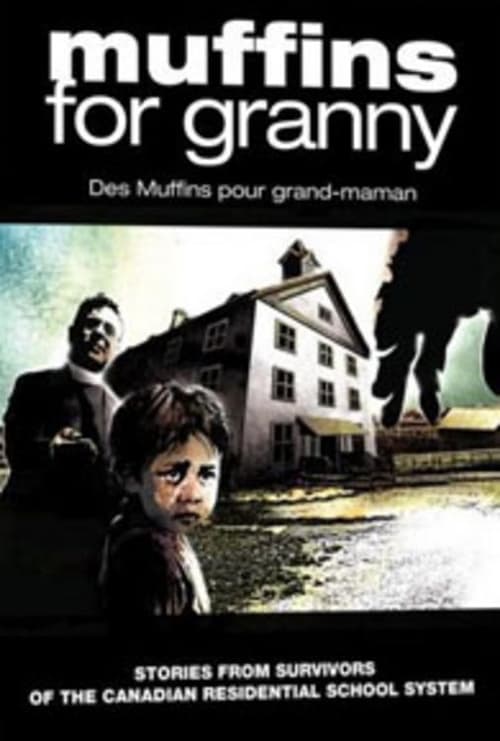
Muffins for Granny is a remarkably layered, emotionally complex story of personal and cultural survival. McLaren tells the story of her own grandmother by combining precious home movie fragments with the stories of seven elders dramatically affected by their experiences in residential school. McLaren uses animation with a painterly visual approach to move the audience between the darkness of memory and the reality that these charismatic survivors live in today.
Documentary about filmmaker Bonnie Ammaaq's memories of life on Baffin Island, where her family moved for eleven years during her childhood from the hamlet of Igloolik to return to the traditional Inuit way of life.
Legendary documentary filmmaker Alanis Obomsawin provides a glimpse of what action-driven decolonization looks like in Norway House, one of Manitoba's largest First Nation communities.
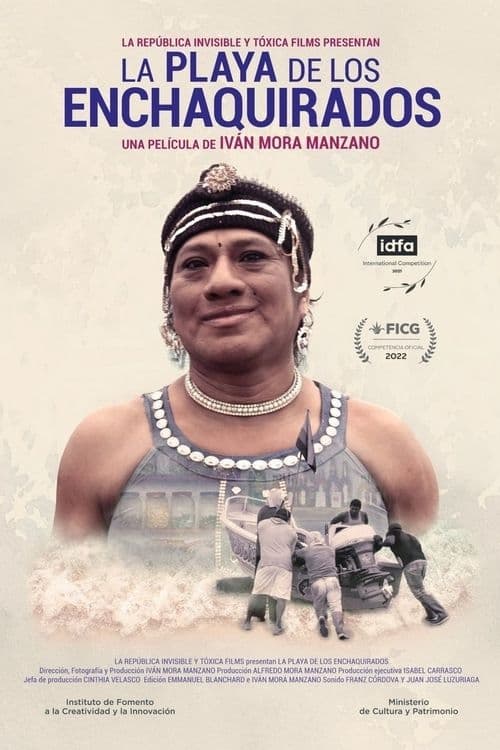
Vicky is fisherman by day and bar owner at night. When she was a little boy her dream was to be a radio soap opera star, nowadays she dreams of falling in love again. How is it possible that a small, barren place in the third world has managed to achieve this special form of freedom and tolerance?
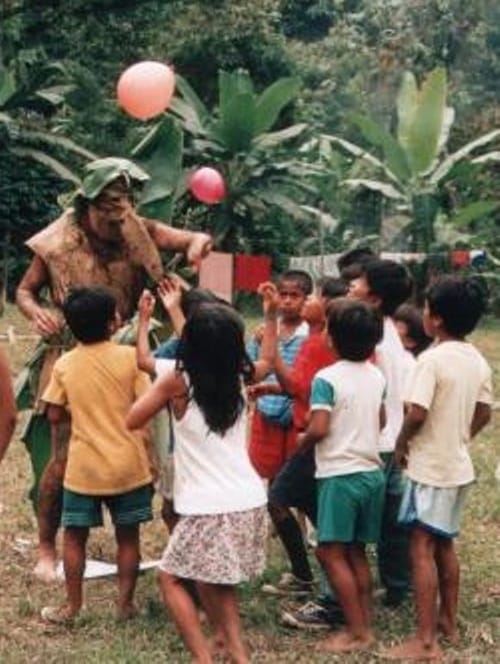
A 13-year-old Indian boy is found unconscious after being attacked in the jungle by the evil spirit Fayu Ujmu. A shaman attempts to ritually tame the spirit and advises the boy’s father to capture it. This story is based on a Chachi Indian legend; it was shot with indigenous inhabitants of the jungle community of Loma Linda, on the Rio Cayapas.
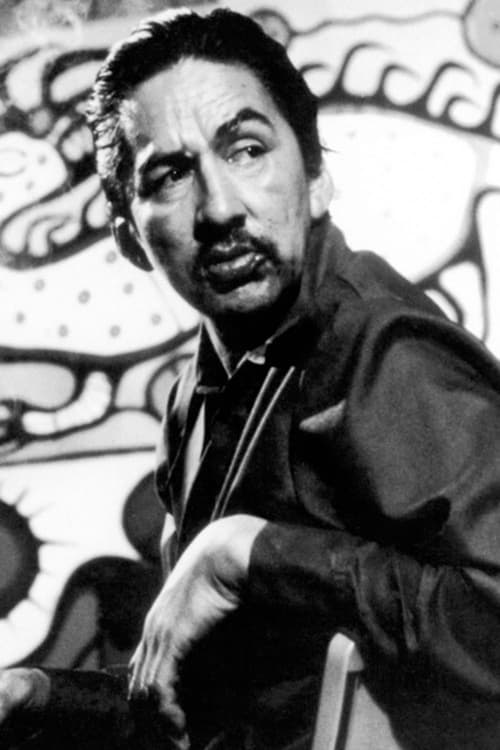
In this revealing study of Norval Morrisseau, filmed as he works among the lakes and woodlands of his ancestors, we see a remarkable Indigenous artist who emerged from a life of obscurity in the North American bush to become one of Canada's most renowned painters. Morrisseau the man is much like his paintings: vital and passionate, torn between his Ojibway heritage and the influences of the white man's world.
An Aboriginal Australian and Native American documentary narrated by award-winning actor Jack Thompson, One Heart-One Spirit tells the story of Kenneth Little Hawk, an elder Micmac/Mohawk performing artist, meeting the oldest surviving culture on the planet: the 40,000 year old Yolngu nation located in northern Australia.
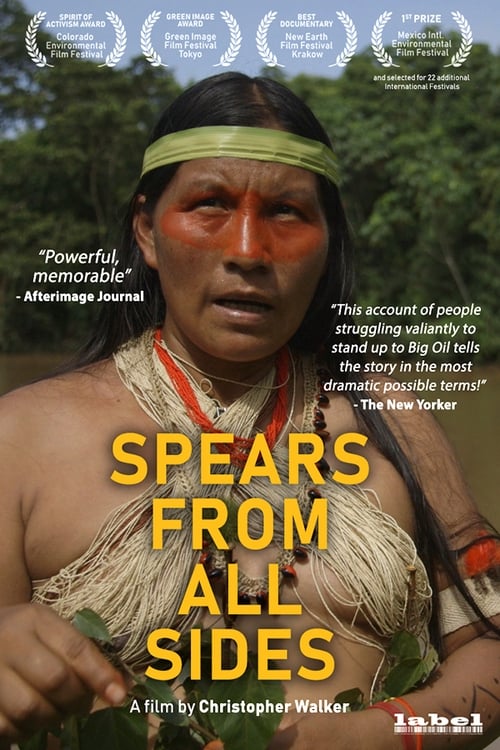
Until the 1950s, the Waorani were able to successfully defended their area of settlement – today’s Yasuni National Park in the Ecuadorian Amazon – with the aid of spears. Then Christian missionaries entered the thick rain forest and paved the way for an oil company. Nowadays many of the tribes are estranged as some want to benefit from the short-term money the company is offering while others fight to preserve their land, culture and independence under all circumstances.
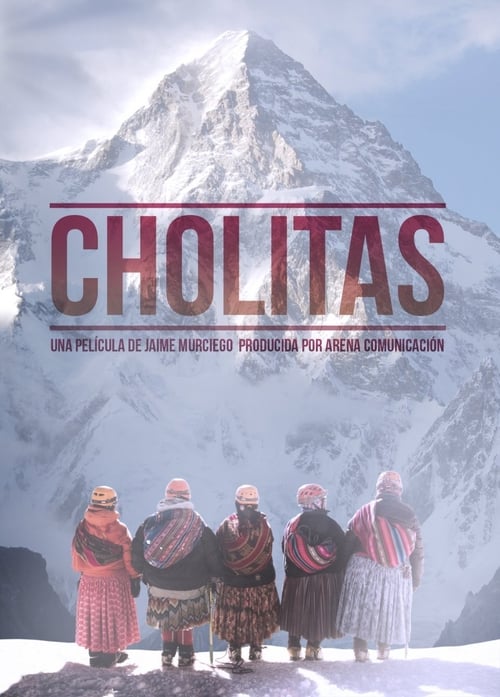
Five Bolivian indigenous women share one goal: climbing the highest mountain in America.