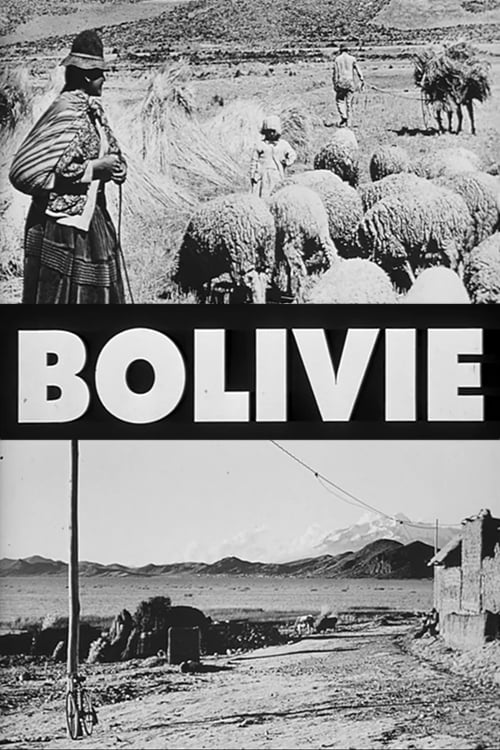
This edited section of unreleased footage records an expedition in the forests of eastern Bolivia in 1928 made by Mamerto Urriolagoitia, Alejandro Siemal, Julian Duguid, and cameraman JC Bee-Mason.
Mamerto Urriolagoitia
as Self
Alejandro Siemal
Julian Duguid
Images of Argentinian companies and factories in the first light of day, seen from the inside of a car, while the director reads out documents in voiceover that reveals the collusion of the same concerns in the military dictatorship’s terror.
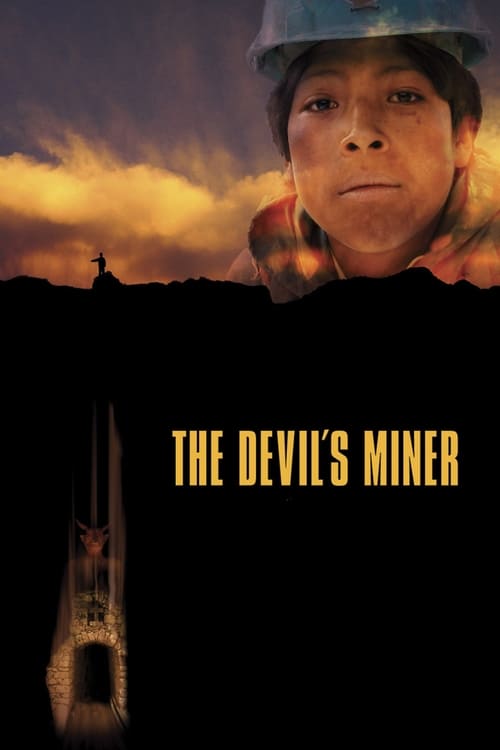
Danger, toil, and superstition pervade life in a mining town high up in the Bolivian mountains. Tin is the heartbeat of the community providing jobs and livelihoods - but at considerable cost. With deaths commonplace, people make offerings to El Tio, the devil under the earth, for protection and good fortune. But when the mountain's flow of tin ebbs, further measures must be taken...
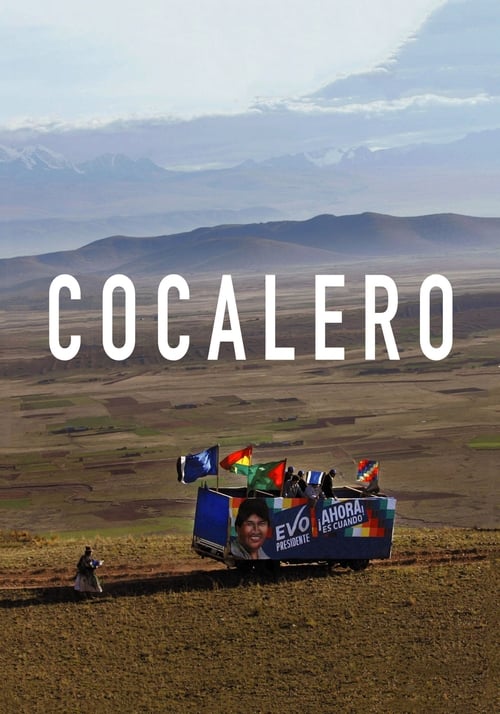
A documentary centered on the union formed by Bolivian farmers in response to their government's (which was urged by the U.S.) effort to eradicate coca crops, and the man who would come to represent them, Evo Morales.
Bolivia has the world's largest deposits of lithium, a metal that is essential for the energy transition. Without lithium, no electricity storage facility, no data centre, no electric car, no smartphone would work. The Europeans want the raw material to save their automotive industry. The Bolivians want it to combat poverty. While the Bolivian government negotiates with corporations from around the world, civil society groups are mobilising in rural areas, organised mainly by women. The film offers a rare insight into the Europeans' strategy to secure the sought-after material and carves out the conflicting interests towards extractivism and industrialisation in Bolivia.
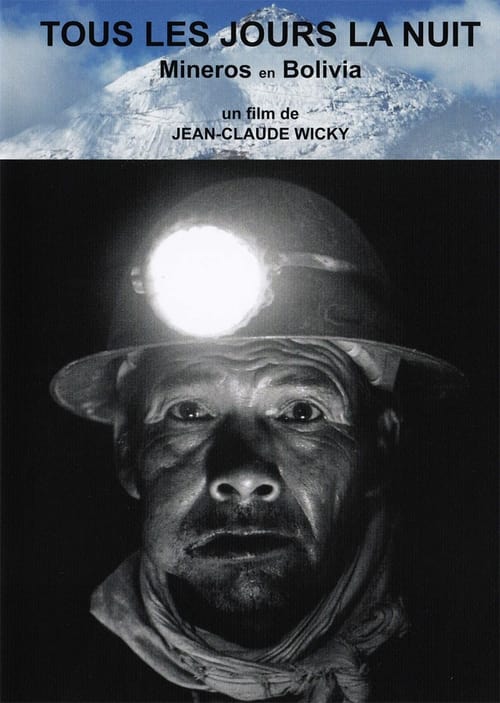
For many years, the Swiss photographer Jean-Claude Wicky captured the world of Bolivian miners in photographs. When he discovered how strongly they reacted to his pictures, he decided to make a film. Black-and-white photographs alternate with film sequences, in which the miners talk about the harsh conditions of their everyday lives, while also rendering visible their pride, dignity, culture and dynamic traditions. Every day is night is first and foremost a testimonial of profoundly sincere human encounters based on respect, generosity and gratitude.
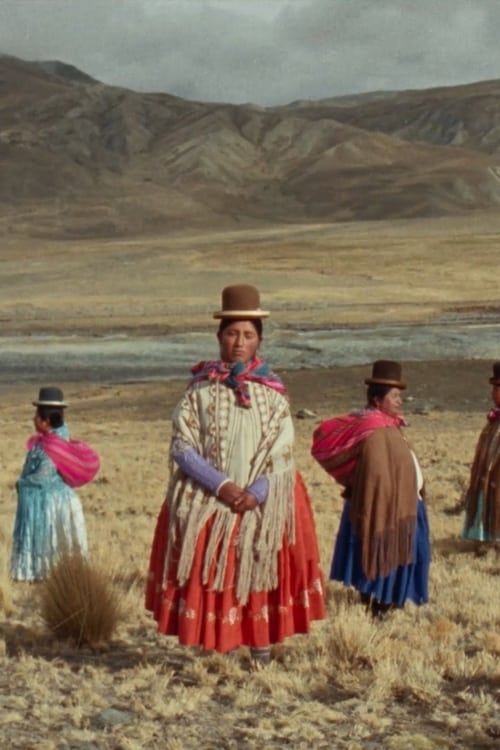
Bolivia's Climbing Cholitas - a group of indigenous women scaling the Andes Mountains, some of the highest peaks in the world. Shot in Bolivia for Vogue Latin America and Vogue Mexico's 20th anniversary cover story.
General Alfredo Ovando Candia was a decisive figure in 20 th century Bolivian history. Through old home movies and institutional footage, Mauricio Ovando goes in search of the figure (and the shadow) of his grandfather, interweaving his history and History while going after an uncomfortable truth.
A documentary on American political campaign marketing tactics and their consequences.
'The Devil's Miner' tells the story of 14-year-old Basilio who worships the devil for protection while working in a Bolivian silver mine to support his family.
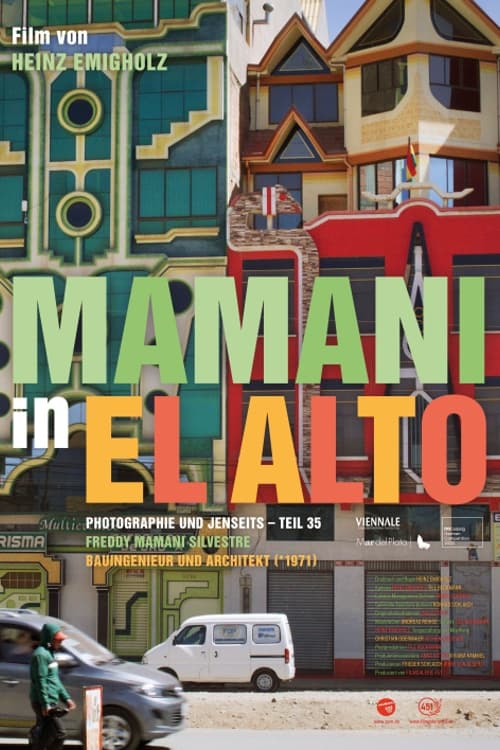
His buildings are garish, colorful and completely overloaded. Columns and glittering chandeliers everywhere, and way too much of everything. The Bolivian civil engineer and architect Freddy Mamani Silvestre (*1971) builds houses in El Alto for a nouveau riche upper class of the Aymara, the largest indigenous ethnic group in Bolivia.
In December of 2002, McDonald's had to shut down their restaurants in Bolivia. The company cited financial problems, but the real reasons were to be found elsewhere. Bolivia may be a small, poor nation on the global market, but a country's fierce local food culture can be sometimes a more powerful factor than economic clout. In his first feature-length documentary, Fernando Martinez shows what happened, a story driven by the characters behind the events and their life stories, such as renowned cooks and a review of popular sayings about the Bolivian food. The symbolism is obvious when a multinational giant is 'brought to its knees' by a country's traditions and heritage.
Andean communities fight to protect their water from contamination by mining companies.
Photography trip to Bolivia filmed with a rostrum camera and edited with original sounds from the country.