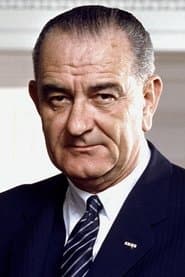
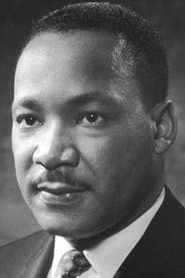
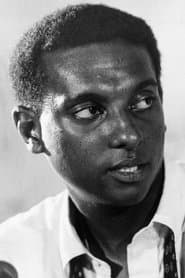
This is a montage of different images from the JFK, Martin Luther King and Bobby Kennedy triumphs and assassinations, all three events being observed by Lyndon Johnson as the dark figure who is plotting the anti-black rights movement.
Lyndon B. Johnson
as Self
Martin Luther King Jr.
Kwame Ture
Short documentary about Twin Peaks: The Return.
This short documentary film captures the natural movement of the moon mixed with an experimental musical track that accompanies the rhythm of the "walk" on the stage that the protagonist occupies, the sky.
The Nishiyuu walkers made the trek from Whapmagoostui in Quebec to Ottawa, a 1,600-kilometre journey whose roots date back millennia. At the heart of legendary director Alanis Obomsawin’s latest short documentary, her 51st film in 50 years of filmmaking, is the idea of walking as activism, as well as a symbol of decolonization and an embrace of the traditional.
A documentary about the Friends of the Western Buddhist Order in London.
Using his failed attempts at creating profitable stock footage, a filmmaker reflects on the absurd, mundane and funny side of being trapped inside your own head as an out of work, self-employed freelancer.
Here we see short scenes from a random day at the airport. We have flying planes, landings, passport checking scenes, passengers waiting for their relatives. This documentary shows the ordinary but unique behaviors and reactions of the passengers and the airport maintenance staff.
Sr. Raposo is a staged documentary about the daily life of Acácio, who found out he was HIV+ in 1995.
A documentary on the South Korean ferry disaster that claimed the lives of more than 300 passengers in April, 2014.
Images, voices, and interrupted silences that evoke the intangible losses caused by COVID-19.
After the Robb Elementary school shooting in Texas, local Uvalde Leader-News journalists are left to report on the fallout – and on one of their staff members. Reporter Kimberly Rubio rises to national prominence as an advocate for gun reform after her ten-year-old daughter, Lexi, is killed in the shooting. Through the journalists’ reporting, we witness the social fabric of this small Texas town unravel as Kimberly and other victims’ families search for accountability from law enforcement and local leaders. The documentary also shines a light on the critical role of community journalism, at a time when local newspapers are folding rapidly across the country.
Dogs walking on the breakdown lane, bachelorettes partying in the car and a bored child looking for something to do. Thousands of impatient travellers are trapped in the traffic jam of the century. Ahead lies the Gotthard Mountain, one of the longest tunnels in the world, the gateway to the sunny South. Glued to the asphalt, climate activists are heating up the mood even more. Who will snap first?
Commissioned by the journal Présence Africaine, this short documentary examines how African art is devalued and alienated through colonial and museum contexts. Beginning with the question of why African works are confined to ethnographic displays while Greek or Egyptian art is celebrated, the film became a landmark of anti-colonial cinema and was banned in France for eight years.
A journey into the mind of French actor and director Jean-Pierre Mocky (1929-2019), author of films both playful and profound, of an impressive richness.
Les Indes Galantes (The amorous indies), is an opera-ballet created by Jean Philippe Rameau in 1735. He was inspired for one of the dance by tribal Indian dances of Louisiana performed by Metchigaema chiefs, in Paris in 1723. Clément Cogitore adapts a short part of the ballet by mobilizing a group of Krump dancers, an art form born in Los Angeles black ghetto in the 1990s. Its birth occurred in the aftermath of the beating up of Rodney King and the riots, as well as police repression it triggered. Amidst this coercive atmosphere, young dancers started to embody the violent tensions of the physical, social and political body. Both the tribal dance performed in Paris in 1723, and the rebelious Krump dancers of the 1990s shape a reenactment of Rameau’s original libretto, staging young people dancing on the verge of a volcano.
Through a powerful visual metaphor, Camille Vigny gives a first-person account of the domestic violence she suffered. The images and text interact with remarkable precision to convey the devastating impact of the cataclysm. It's a political gesture, brimming with courage, an icy cry that takes your breath away.