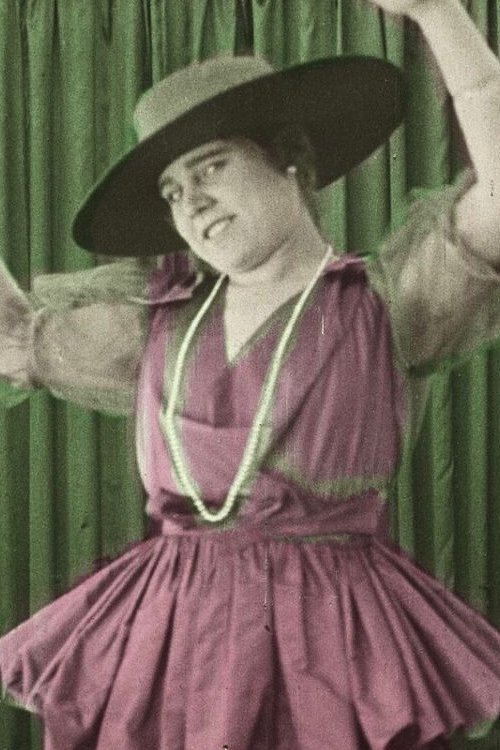
Marcial de la Calle Redondo
as Marcial de la Calle Redondo
María de los Llanos Zalve Tendero
as María de los Llanos Zalve Tendero
Elicia Marín de la Calle
as Elicia Marín de la Calle (voz)
David Riondino, an Italian film director, is coming to Spain to document the Atocha massacre of 1977, to make a film on its 50th anniversary. He will be helped by Alejandra, a young documentary filmmaker who urges him to contextualise the past with the current rise of the far right. By investigating the Atocha attack, David will recover a part of that recent past and at the same time will witness a reality that encourages reflection on some burning issues such as the advance of the far right, problems of access to housing and job insecurity.
The nephew of a Republican exiled during the Spanish Civil War is pushed to discover the fate of his uncle by a forgotten letter. Meanwhile, a researcher tries to discover what happened to another deportee after reading the novel "El impostor" by Javier Cercas. When the two coincide, they discover that the lives of their two ancestors are intertwined and end up unearthing the story of František Suchý and his son, who risked their lives and defied the Nazi regime from the Prague crematorium to save the ashes of more than 2,000 victims.
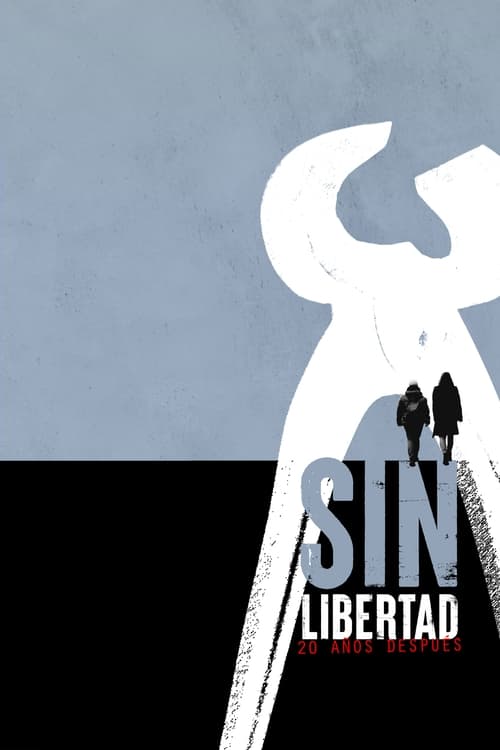
This documentary updates the life experiences of victims of ETA terrorist activity, twenty years after the multi-award-winning documentary Sin libertad (Without Freedom, 2001). With an experimental intent, it seeks to link the present and the future through five young journalism students in their twenties who have not experienced ETA terrorism and are responsible for interviewing the victims.
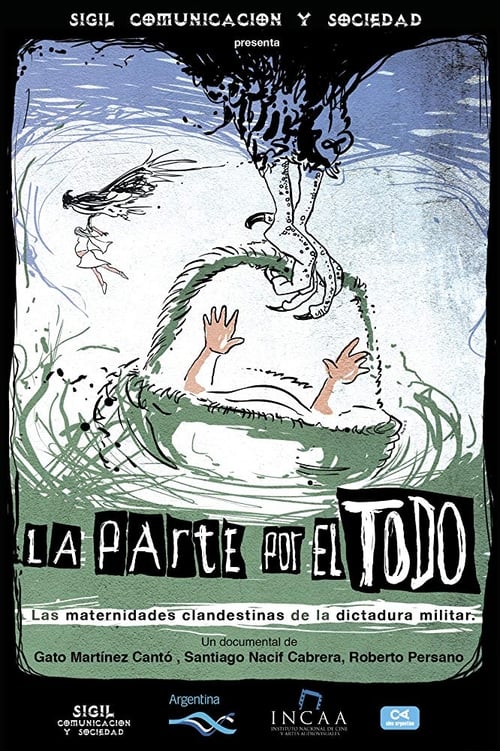
During the last argentine military dictatorship, the Army developed a systematic plan for the abduction of children, with maternity wards inside the clandestine detention centers. This film proposes itself as a trip to the truth "to bring to light the places where lots of babies saw the light for the first time"; Three restored children show the part for the whole :how a genocide was orchestrated,a scheme which planned the deprivation of identity of babies born in captivity, children of illegally kidnapped and detained women.
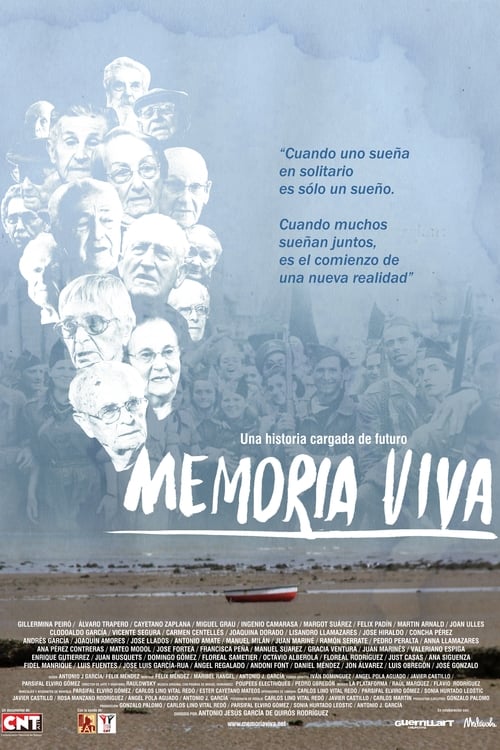
The Living Memory Project began back in 2009 on the 70th anniversary of the end of the Spanish Civil War with the recording of the event, organized in Paris to the Spanish Exiles and the victims of the Nazi extermination camp of Mauthausen. Our goal thereafter focused on collecting the greatest possible number of testimonies related to the history of Spanish anarcho-syndicalism. As part of the celebrations of 100 years of CNT we set up the project, the union decided to fund it and we set off . We travelled 12,000 km visiting three countries relying on the logistical support of CNT and selfless work of their members as well as partners Malicious Films GuerrillART. This is the result: 80 hours worth of records, 300 hours worth of testimony in timing and transcription meant for reference purposes at the Anselmo Lorenzo Foundation and 0 actors. Written by Antonio J. García de Quirós Rodríguez
Luca, a young photographer, arrives in a village in Asturias to work on an artistic project. There, he stays with Xuan, an experienced cheesemaker who is marked by a past full of rumors and prejudice. Through Luca’s camera and Xuan’s craft, the two discover unexpected connections in an intimate encounter between two seemingly opposite worlds.
In the winter of 1968, in a small village in the mountains, the story follows three children who embark on a daring quest to evade the ominous Monster of Many Noses, a formidable figure deeply ingrained in Catalan folklore. This sinister character is known for hunting down children who have spun too many lies on the final day of the year. But the children are not the only ones gripped by fear; the film also explores how lies from the past can have a haunting presence. The film follows a proven formula of taking a deeply rooted legend from Catalan folklore and transforming it into a universal story. The Monster of Many Noses is a captivating exploration of history, myth, and the human condition.
In 1945, beneath the oppressive shadow of the Francoist dictatorship, Juan, a university teacher assistant, meets Manuel during a chance encounter at night in a park. With their initial reservations, a complex love story unfolds between them, shaped by the turbulent political climate and the misunderstanding of those around them.
A young college artist tries to sketch his next piece, vainly. Frustrated, decides to get out from his house and get some fresh air. But then, a shadow springs forth from one of his rejected ideas, determined to reach him. Short silent film inspired by Nosferatu (1922) and The Gabinet of Dr. Caligari (1920).
March, 2013. A sensational, incomparable find in the basement of a Munich auction house: 44 auction catalogs from the years 1936 to 1944, containing hand-written notes from the Third Reich. Katrin Stoll, present-day owner, takes a brave step and decides to have her own company's history investigated. Adolf Hitler was the worst art thief in history.
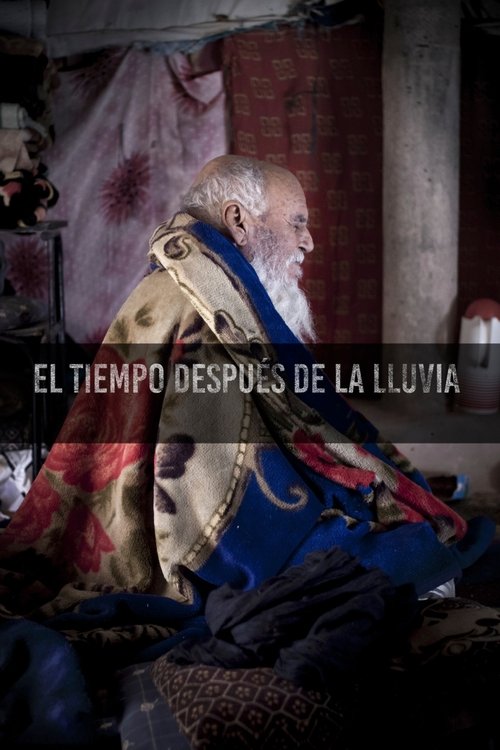
A survey of the history and areas surrounding the Anahita Temple in Iran, with interviews of residents whose homes were demolished by the Iranian government due to new excavations.
Amidst a mostly Catholic community, a small tiny Anglican church offers more to the community of Placentia than people may think, and holds many connections and history to the rest of the world.
Janette Bertrand, 96, is at the time of the balance sheets. Where are the women, where is the fight for gender equality? An hour of History with a capital H and Love with a capital A, to not forget anything and, above all, never stop moving forward.