Over 2 billion people on earth eat insects for protein. The Gateway Bug explores how changing daily eating habits can feed humanity in an uncertain age, one meal at a time.
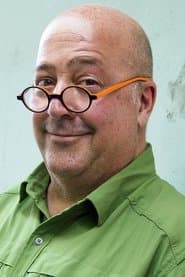
Andrew Zimmern
as Himself
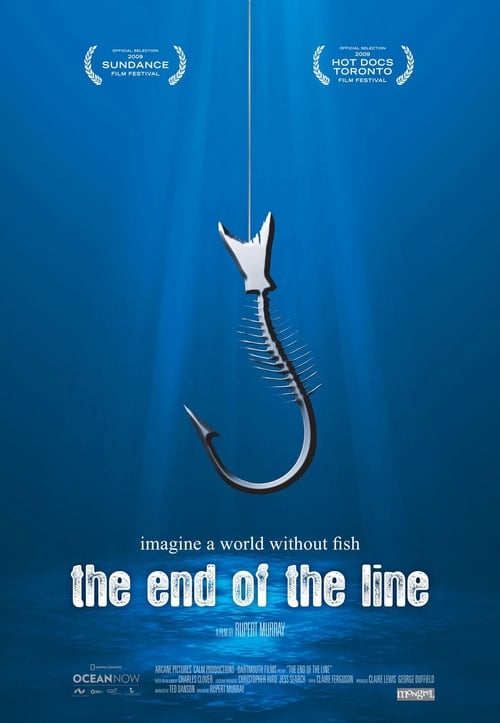
Examines the devastating effect that overfishing has had on the world's fish populations and argues that drastic action must be taken to reverse these trends. Examines the imminent extinction of bluefin tuna, brought on by increasing western demand for sushi; the impact on marine life resulting in huge overpopulation of jellyfish; and the profound implications of a future world with no fish that would bring certain mass starvation.
Real Value is an award-winning economics documentary that delivers a refreshing meditation on how business can be used to create value beyond profit; connecting motivational stories from social entrepreneurs working in agriculture, apparel, insurance, and biofuel, with the captivating science behind our perception of value from world-renowned professor of psychology and behavioral economics, Dan Ariely. The film serves as inspiration for any business owner, entrepreneur, or customer who is looking to better understand what happens when a business puts people, planet, and profit on equal footing.
A short documentary illustrating how art can influence public perception towards environmental issues. Green Patriot Posters is a highly acclaimed multimedia design campaign that challenges artists to deepen public understanding and ignite collective action in the fight against climate change. So far, it has reached five million people through print media, public space and digital culture. The film features interviews with key Green Patriot Posters contributors (Shepard Fairey, Michael Bierut, DJ Spooky, Mathilde Fallot) and its founders (The Canary Project, Dmitri Siegel).
As society tackles the problem of feeding our expanding population safely and sustainably, a schism has arisen between scientists and consumers, motivated by fear and distrust. Food Evolution, narrated by Neil deGrasse Tyson, explores the polarized debate surrounding GMOs. Looking at the real-world application of food science in the past and present, the film argues for sound science and open-mindedness in a culture that increasingly shows resistance to both.
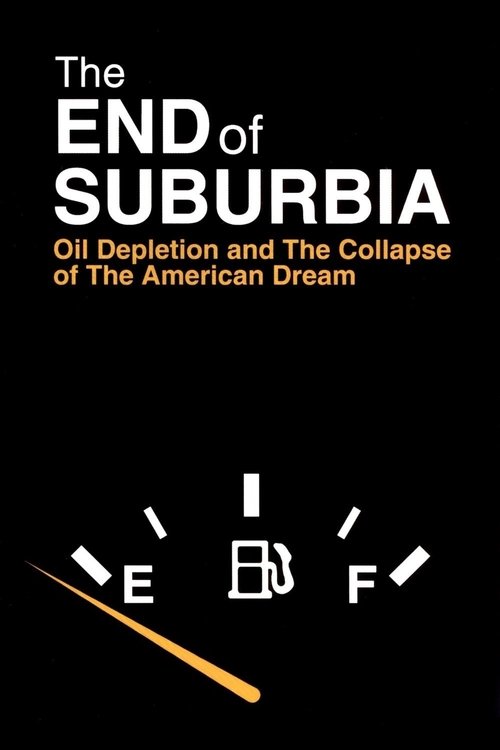
Since World War II North Americans have invested much of their newfound wealth in suburbia. It has promised a sense of space, affordability, family life and upward mobility. As the population of suburban sprawl has exploded in the past 50 years Suburbia, and all it promises, has become the American Dream. But as we enter the 21st century, serious questions are beginning to emerge...
The Wait to Nowhere: When a Crisis Goes Untreated reveals an unspeakable reality: children living in the ER for days, weeks and even months at a time, awaiting dedicated care. This film explores the issue and touches on solutions. True stories are told by those living this nightmare, including hospitals that are caught up in a failed system, while lawmakers help lay out a plan to address the crisis before even more children’s lives are lost.
Examines the global fisheries crisis and the forces pushing many marine fish stocks toward commercial extinction. Documents some promising and innovative efforts to restore fisheries and protect essential fish habitat. Examines new market initiatives giving consumers a powerful vote in deciding how our oceans are fished. Commentary is provided by fishermen and by many of the world's most respected marine and fisheries scientists.
The plight of small-scale farmers in Africa and Asia forced off their land by an unprecedented corporate land grab. If they refuse they are subject to horrific violence, which has led to women miscarrying and deaths. Exploring the personal stories of those affected, this documentary gives a voice to threatened subsistence farmers throughout the developing world. If your livelihood was ripped away from you, how would you cope?
What was once the "Island of Calm" is now on the verge of collapse. Multiple alarm bells are starting to ring. Is this model of tourism sustainable? Could Mallorca become a reference for so many other places suffering from the same problem?
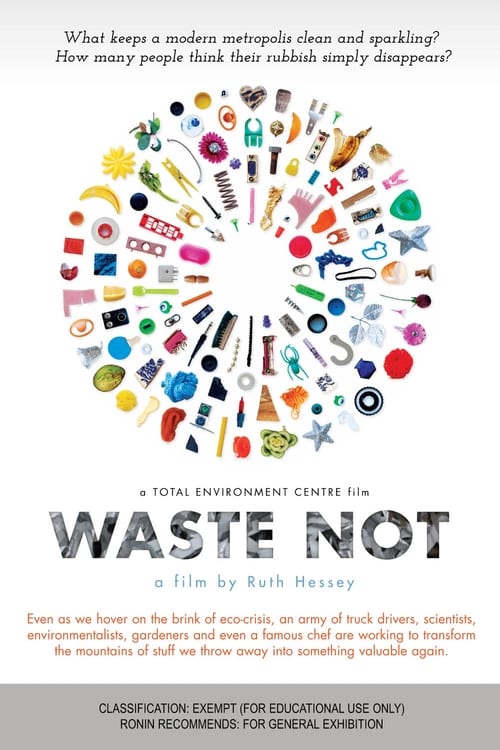
Waste Not is a film about where your garbage goes, who sorts it for you, and what it is worth if it isn't just tossed into landfill. It's easier and cheaper to retrieve gold from old computers for instance, than to dig it up. Organics can be used to create fertiliser and green electricity and yet each Australian sends half a tonne of food waste to landfill each year where it is contaminated with chemicals and e-waste. We recycle only 50% of all our waste. There is an alternative to environmental apocalypse and we don't have to wait for the politicians to make it happen. All we really need to do is be creative and use our imaginations to turn this waste into wealth again. Waste Not talks to scientists, workers at waste depots, environment campaigners, gardeners and even a famous chef about how easy it is to save the planet by simply recycling properly.
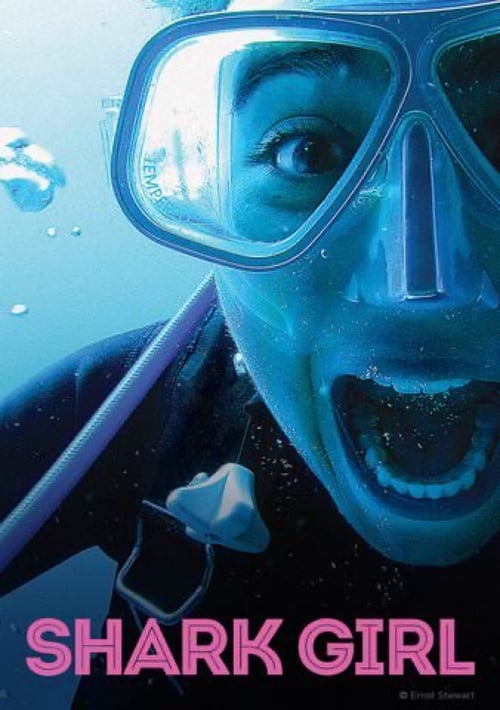
For 20-year-old Madison Stewart, nothing feels safer or more natural than diving straight into shark-infested waters. Since childhood, growing up by the Great Barrier Reef, she's treated these predators as family. But they're vanishing from existence, and because of their bad reputation, few people seem to care. Follow Madison on her mission to protect our sharks, a battle that began when she put her studies on hold, grabbed a camera, and set out to save these incredible, misunderstood creatures.
Takes viewers inside the homes of people seriously affected by increasingly ferocious floods hitting the UK. With one in six British homes now at risk of flooding, residents across the country count the cost, both financial and mental, to their communities affected by flooding over the last decade.