What was once the "Island of Calm" is now on the verge of collapse. Multiple alarm bells are starting to ring. Is this model of tourism sustainable? Could Mallorca become a reference for so many other places suffering from the same problem?
On November 25, 1973, the first of four car-free Sundays transformed West Germany's deserted highways into spaces for walking, cycling, and horse-drawn carriages, while towns and cities took on a festive atmosphere. Introduced during the oil crisis to conserve fuel after the Arab oil embargo and production cuts following the Yom Kippur War, the measure became an unforgettable collective experience. Beyond the immediate energy shortage, the crisis marked a turning point, ending the postwar economic boom and encouraging greater awareness of energy use, consumerism, and environmental issues.
Documentary about human impact on the world.
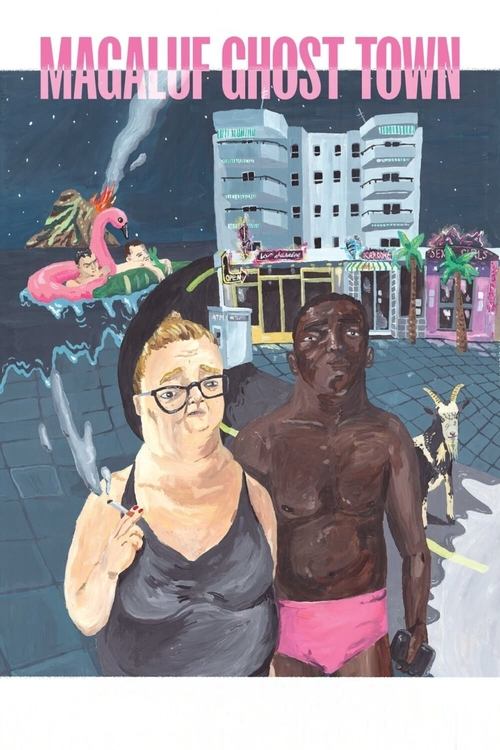
At the height of the summer tourist season, the Spanish beach town Magaluf turns into a hellscape of the low-cost travel industry. For eight weeks every year, over one million mostly British vacationers ride an alcohol-soaked tide of public urination, fisticuffs and ambulance sirens for recreation. Instead of assembling a clip-reel of "balconing," when drunk idiots jump into hotel pools from their balconies, filmmaker Miguel Ángel Blanca crafts a far deeper and atmospheric look at a place where visitors and locals alike are driven by pleasure. Long-time resident Maria has little time left, so she takes in a seasonal lodger who listens to her relive her glory days. An enterprising real estate agent peddles an extravagant development, while a young gay man drifts without any plans beyond robbing a tourist for kicks. Part ghost story, part foreboding parable, this is a stylish and vivid impression of people and a place dreaming of escape. Myrocia Watamaniuk (Hot Docs)
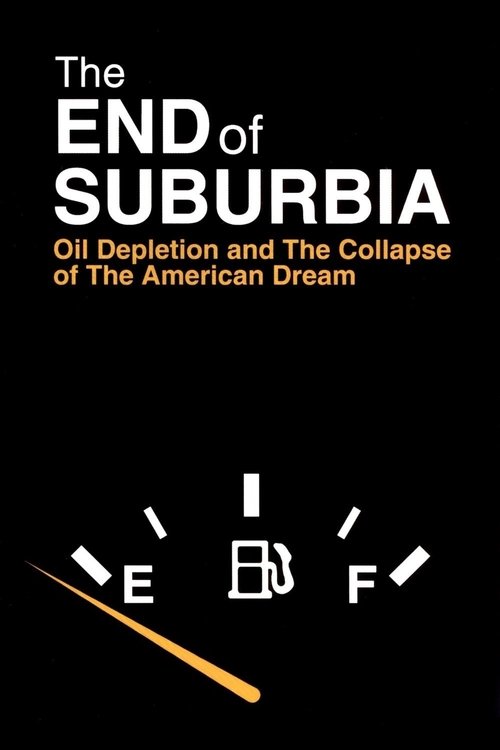
Since World War II North Americans have invested much of their newfound wealth in suburbia. It has promised a sense of space, affordability, family life and upward mobility. As the population of suburban sprawl has exploded in the past 50 years Suburbia, and all it promises, has become the American Dream. But as we enter the 21st century, serious questions are beginning to emerge...
Bye Bye Barcelona is a documentary about a city and its relation to tourism , on the difficult coexistence between Barcelona the city and Barcelona the tourist destination
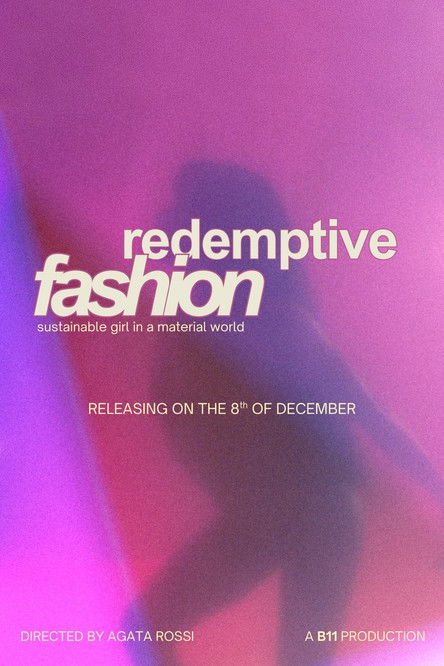
Redemptive Fashion follows three emerging designers who reclaim pre-loved or surplus fabric and transform it into meaningful, beautiful new work. As each designer confronts the creative and emotional challenges of working against a system built on overproduction, their stories build toward an underground zero-waste fashion show where their collections are unveiled. In this raw, alternative runway, discarded materials become symbols of resilience and possibility. Through their intertwined journeys, Redemptive Fashion reframes sustainability not as a trend but as a radical act of imagination, challenging fashion’s cycles of excess and celebrating the beauty of renewal.
A short documentary illustrating how art can influence public perception towards environmental issues. Green Patriot Posters is a highly acclaimed multimedia design campaign that challenges artists to deepen public understanding and ignite collective action in the fight against climate change. So far, it has reached five million people through print media, public space and digital culture. The film features interviews with key Green Patriot Posters contributors (Shepard Fairey, Michael Bierut, DJ Spooky, Mathilde Fallot) and its founders (The Canary Project, Dmitri Siegel).
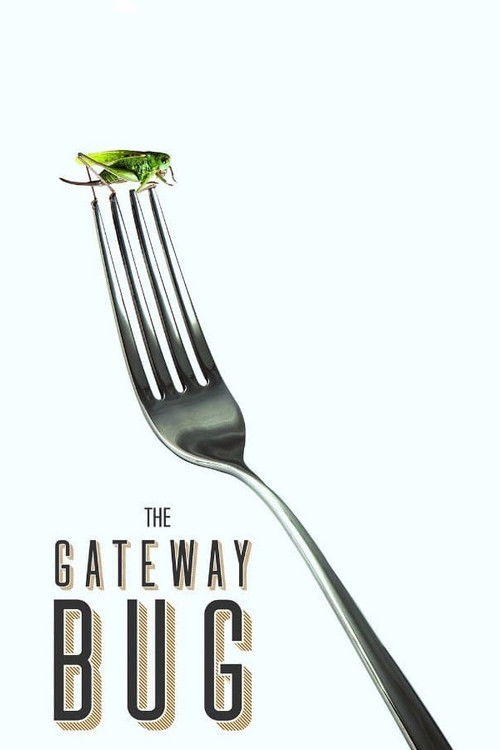
Over 2 billion people on earth eat insects for protein. The Gateway Bug explores how changing daily eating habits can feed humanity in an uncertain age, one meal at a time.
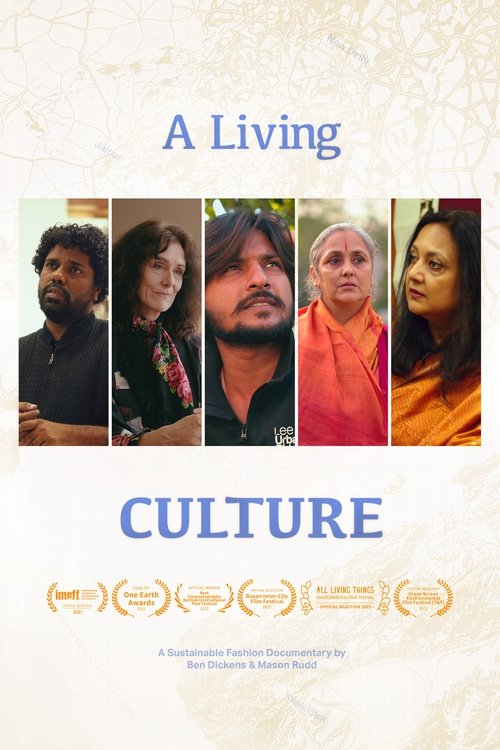
A short documentary with funk, fashion and noise, with intimate stories from students and artisans from New Zealand and India pursuing a responsible fashion future.
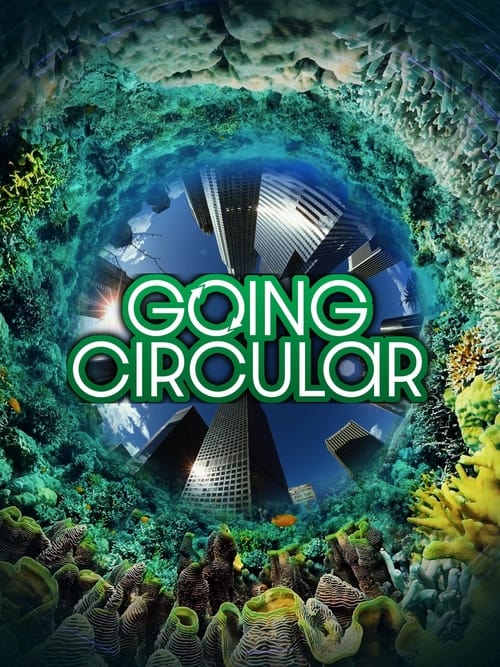
Going Circular unlocks the secrets to an innovative concept called circularity -- an economic system that eliminates waste and saves the planet’s resources. The film tells the story of four visionaries from around the world - 102-year-old inventor Dr. James Lovelock, biomimicry biologist Janine Benyus, designer Arthur Huang, and financier John Fullerton - whose extraordinary experiences changed the way they think about humanity’s future. Each of their stories leads them to a fundamental reassessment of what our food, our cities, our financial system, even our fashion industry could look like if we create, produce, and distribute within Earth's natural boundaries.
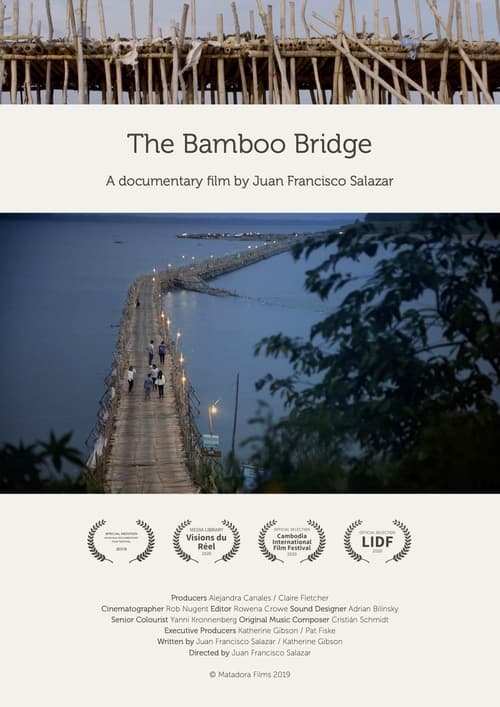
This documentary looks at the stories that take place around a unique 1.5 kilometre long bamboo bridge that for generations has been built every year following the rhythms of nature across the Mekong River to join the rural community of Koh Paen to the city of Kampong Cham in Cambodia.
A Scottish boat builder and fisherman perseveres in turning a vessel into an innovative solar-powered boat.
In 1971, John Lennon and Yoko Ono embark on a search for a girl named Kyoko. On April 23rd, they are arrested by the police at a hotel in Palma de Mallorca, Spain.
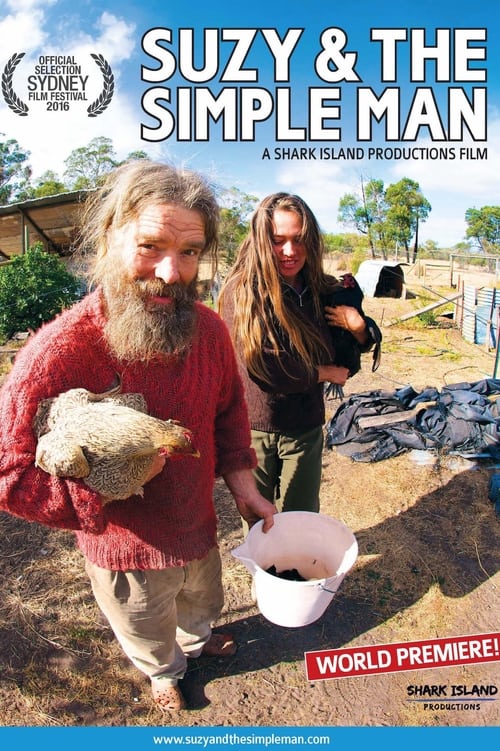
SUZY & THE SIMPLE MAN is an environmental love story about sustainability and the cycle of life. Eight years in the making, this intimate, funny and uplifting film features Suzy and her adventurer husband Jon Muir who live a simple life off the grid — growing organic fruit and vegetables and caring for their chooks and sheep. But the simple life is never as easy as it seems. When all seems perfect something changes their world and life takes an unexpected turn. With bravery and conviction Suzy and Jon confront perhaps their greatest challenge yet, and consider taking the road less travelled. SUZY & THE SIMPLE MAN is a modest story with big questions at its heart: our relationship to each other, to nature and to other creatures, the care of the planet and ourselves, and confronting our own mortality.
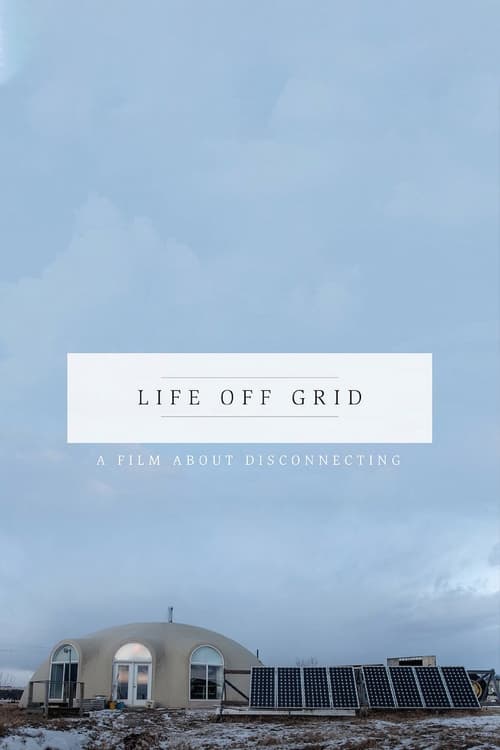
Off-grid is not a state of mind. It is not about being out of touch, living in a remote place, or turning off your mobile phone. Off-grid simply means living without a connection to the electric and natural gas infrastructure. From 2011 to 2013 Jonathan Taggart (Director) and Phillip Vannini (Producer) spent two years travelling across Canada to find 200 off-gridders and visit them in their homes. -
Britain is undergoing a domestic heating revolution - heat pumps are replacing gas boilers and apparently everyone should prepare to put one in their homes. Alexis Conran investigates whether these devices live up to the hype, examining the pros and cons to help consumers choose the best option. Plus, tips on maximising savings.