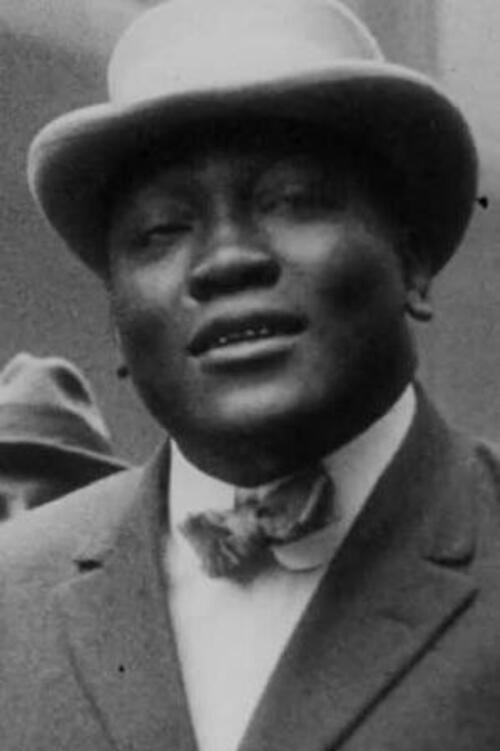
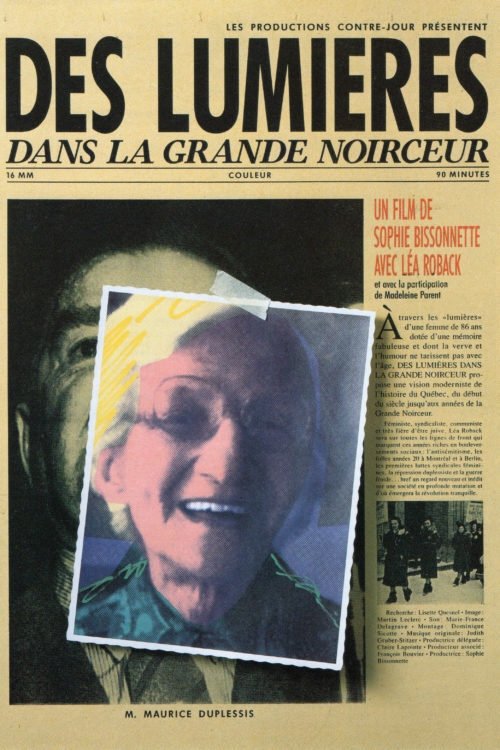
Jules Durand
as Self (Archive Images)
Pierre Arditi
as Narrateur (Voice)
Juliette Durand
as Self (Archive Footage)
Christiane Delpech
as Self
An unorthodox investigation into the wrongful conviction of Randall Dale Adams for the 1976 murder of Dallas police officer Robert Wood. Using stylized reenactments and interviews with key figures, conflicting testimonies and evidence are presented to argue that Adams was framed by a corrupt justice system, ultimately leading to his exoneration.
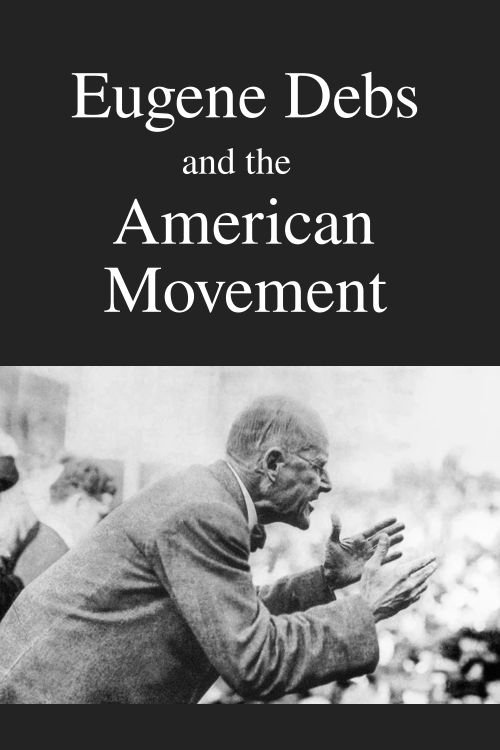
Documentary about the history of the progressive Farmer-Labor movement in Minnesota from 1915 to 1944, when the party merged with the Democrats to form the DFL, the Democratic-Farmer-Labor Party.
Portrait of a community in the heart of South Wales almost one year into the miners' strike of the 1980s.
In the second largest school district in the United States, 98% of teachers vote to authorize a strike. Watch as one of the largest educator strikes in modern U.S. history unfolds in real-time, highlighting the stories and leadership of some of the women who led it, from union leaders to classroom teachers. From strike vote to contract vote, When We Fight goes behind the picket lines, documenting how and why teachers strike. "This powerful and beautifully crafted film is a must watch for anyone interested in the state of labor in America today." - Robert Reich, former Secretary of Labor and Professor of Public Policy, UC Berkeley
A main agenda of the prewar farmer's movement was struggle against landowners. Prokino also considered this as their prime concern. The main title sequence and the latter part of the film have unfortunately been lost. While we cannot see its entire structure, we can still get a glimpse of it from this surviving short.
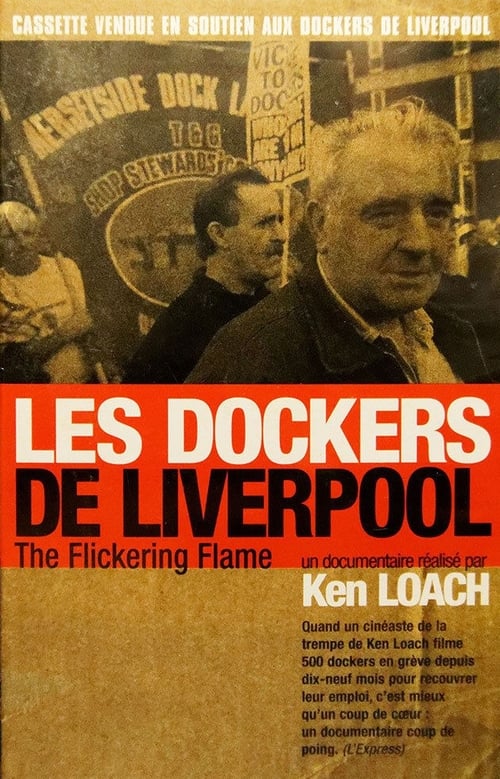
Documentary following dockers of Liverpool sacked in a labour dispute and their supporters’ group, Women of the Waterfront, as they receive support from around the world and seek solidarity at the TUC conference.
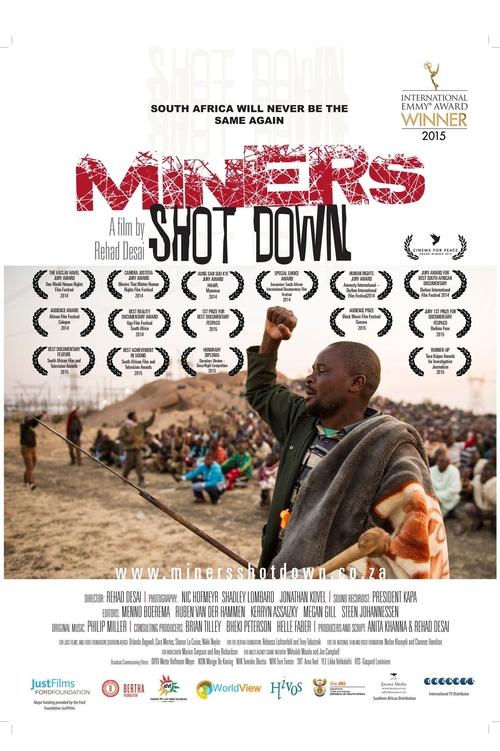
In August 2012, mineworkers in one of South Africa’s biggest platinum mines began a wildcat strike for better wages. Six days later the police used live ammunition to brutally suppress the strike, killing 34 and injuring many more. Using the point of view of the Marikana miners, Miners Shot Down follows the strike from day one, showing the courageous but isolated fight waged by a group of low-paid workers against the combined forces of the mining company Lonmin, the ANC government and their allies in the National Union of Mineworkers.
A documentary about Dutch shipbuilders and their work. Hundreds of jobs at shipyards are on the line and their craftsmanship is under threat. The labourers have to watch and stand by as their future becomes more and more uncertain.
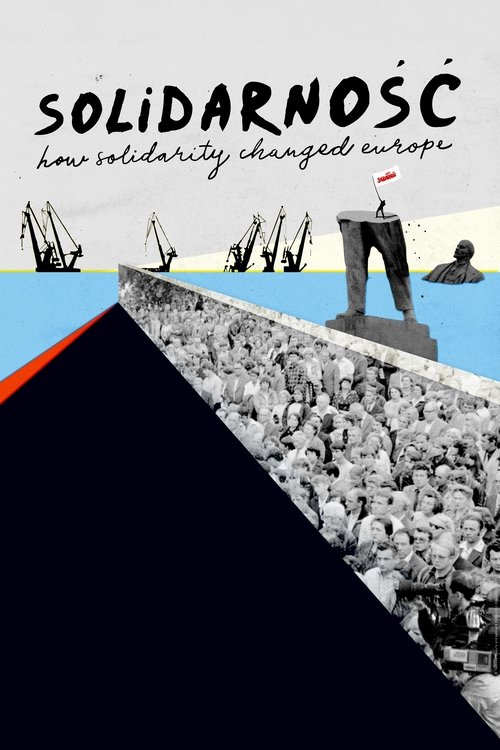
Gdańsk, Poland, September 1980. Lech Wałęsa and other Lenin shipyard workers found Solidarność (Solidarity), the first independent trade union behind the Iron Curtain. The long and hard battle to bring down communist dictatorship has begun.
Delegates and workers discuss the issues that effect the Timberworkers’ Union, the reasons for the formation of the Combined Council of Timber Workers Delegates (CCD) and their industrial action.
An explosion in one of the largest chemical plants in Europe, the Petrochemical complex in Tarragona, triggers the labour struggle of a group of workers who demand what is fair for everyone.
When workers at the Hormel meatpacking plant in Austin, Minnesota are asked to take a substantial pay cut in a highly profitable year, the local labor union decides to go on strike and fight for a wage they believe is fair. But as the work stoppage drags on and the strikers face losing everything, friends become enemies, families are divided and the very future of this typical mid American town is threatened.
A documentary centered on the union formed by Bolivian farmers in response to their government's (which was urged by the U.S.) effort to eradicate coca crops, and the man who would come to represent them, Evo Morales.
On the 5th of March 1985, a crowd gathered in a South Yorkshire pit village to watch a sight none of them had seen in a year. The villagers, many of them in tears, cheered and clapped as the men of Grimethorpe Colliery marched back to work accompanied by the village’s world-famous brass band. The miners and their families had endured months of hardship. It had all been for nothing. The miners had lost the strike called on March 6th 1984. They would lose a lot more in the years to come. But was it a good thing for the country that the miners lost their last battle?
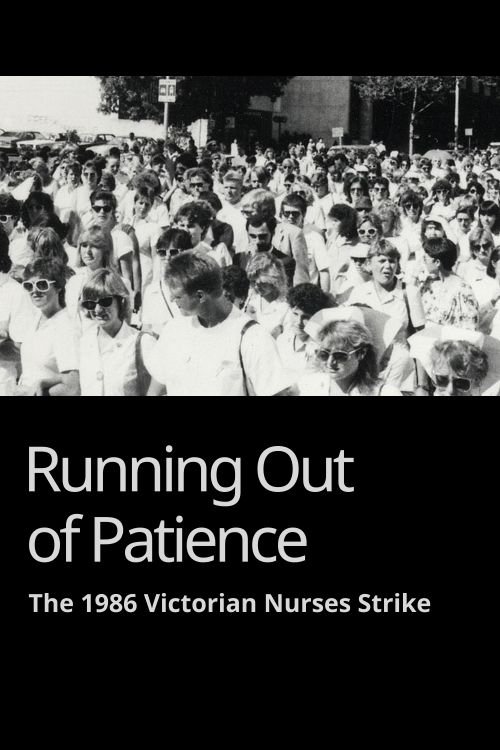
Running Out of Patience documents the Victorian nurses' strike of 1986, revealing various myths and stereotypes which have managed to pigeonhole women as saints first and unionists second.
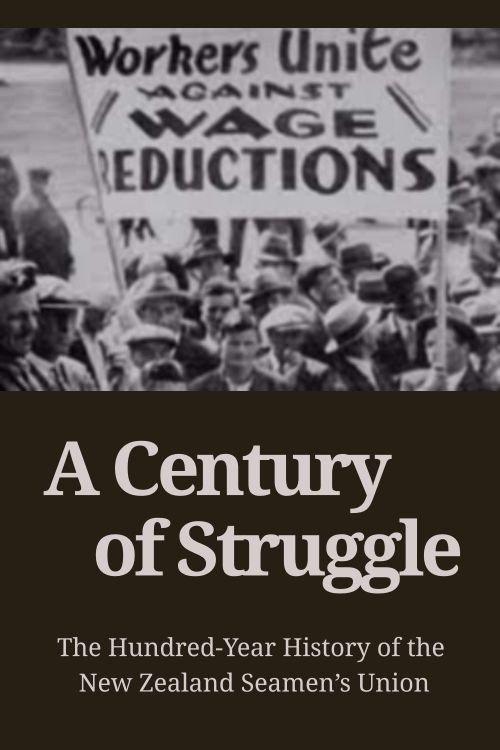
A Century of Struggle chronicles the hundred-year history of the NZ Seamen’s Union from its formation in 1879. Using original film and archive footage, it examines the working lives of seamen and the battles fought by their union from the sailing ships of colonial days to the modern turbine-powered container vessels. Because the Seamen’s Union was frequently at the forefront of working-class struggle in New Zealand, its story involves most of the crucial issues and events in the history of the union movement generally, including the great maritime strikes of 1890 and 1913 and the waterfront dispute of 1951.
Brothers on the Line explores the extraordinary journey of the Reuther brothers – Walter, Roy, and Victor – union organizers whose unshakeable devotion led an army of workers into an epic human rights struggle.
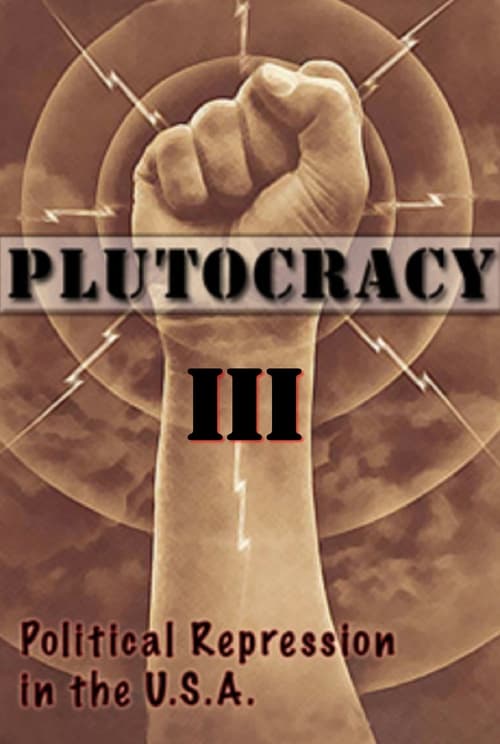
The early struggles of the working class are placed under a microscope in Plutocracy III: Class War, the latest chapter in an exceptionally well produced series which explores the origins of America's growing economic divide.
A documentary about teachers' strikes in Iceland in the latter half of the 20th century with a special focus on 1995.
This film documents the coal miners' strike against the Brookside Mine of the Eastover Mining Company in Harlan County, Kentucky in June, 1973. Eastover's refusal to sign a contract (when the miners joined with the United Mine Workers of America) led to the strike, which lasted more than a year and included violent battles between gun-toting company thugs/scabs and the picketing miners and their supportive women-folk. Director Barbara Kopple puts the strike into perspective by giving us some background on the historical plight of the miners and some history of the UMWA. Preserved by the Academy Film Archive in partnership with New York Women in Film & Television in 2004.