The documentary Carving the Divine offers a rare and intimate look into the life and artistic process of modern-day Busshi – practitioners of a 1400 year lineage of woodcarving that’s at the heart of Japanese, Mahayana Buddhism.
Yujiro Seki
as Director
as Guion
Nicholas Pike
as Musica
as Fotografia
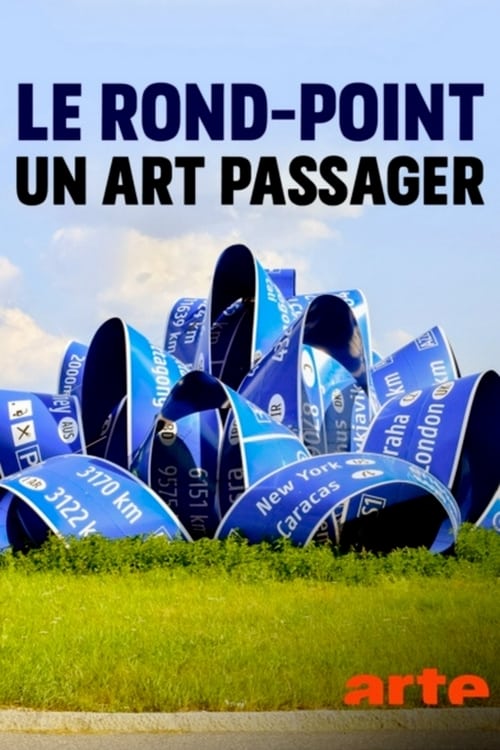
In Europe, road junctions have become public art galleries. A road trip across France, Switzerland, the Canary Islands, Greece and Germany exploring the glorious world of roundabout art.
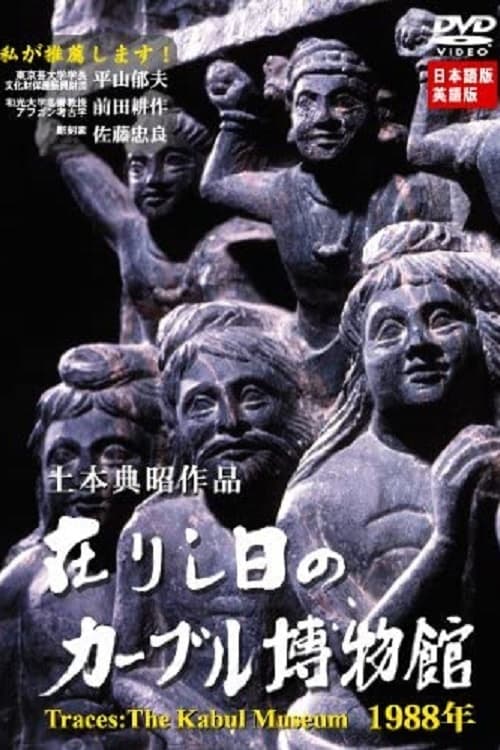
The Kabul National Museum, once known as the "face of Afghanistan," was destroyed in 1993. We filmed the most important cultural treasures of the still-intact museum in 1988: ancient Greco-Roman art and antiquitied of Hellenistic civilization, as well as Buddhist sculpture that was said to have mythology--the art of Gandhara, Bamiyan, and Shotorak among them. After the fall of the Democratic Republic of Afghanistan in 1992, some seventy percent of the contents of the museum was destroyed, stolen, or smuggled overseas to Japan and other countries. The movement to return these items is also touched upon. The footage in this video represents that only film documentation of the Kabul Museum ever made.
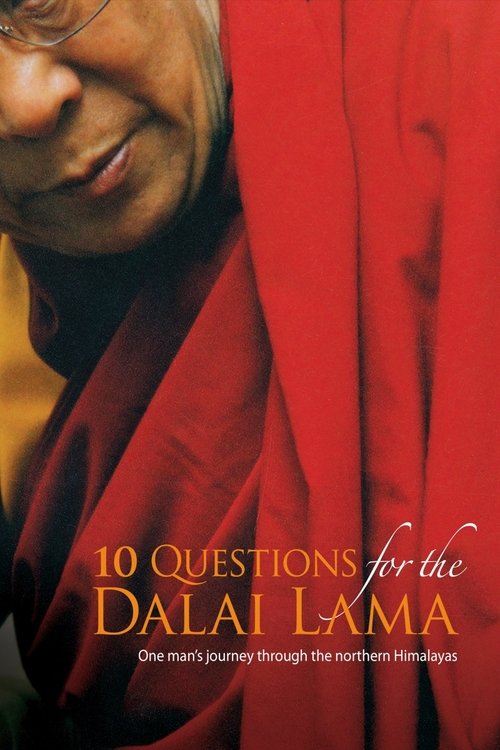
How do you reconcile a commitment to non-violence when faced with violence? Why do the poor often seem happier than the rich? Must a society lose its traditions in order to move into the future? These are some of the questions posed to His Holiness the Dalai Lama by filmmaker and explorer Rick Ray. Ray examines some of the fundamental questions of our time by weaving together observations from his own journeys throughout India and the Middle East, and the wisdom of an extraordinary spiritual leader. This is his story, as told and filmed by Rick Ray during a private visit to his monastery in Dharamsala, India over the course of several months. Also included is rare historical footage as well as footage supplied by individuals who at great personal risk, filmed with hidden cameras within Tibet.
Documentary about the life and work of Jorge Luis Borges, from his own memories and reflections.
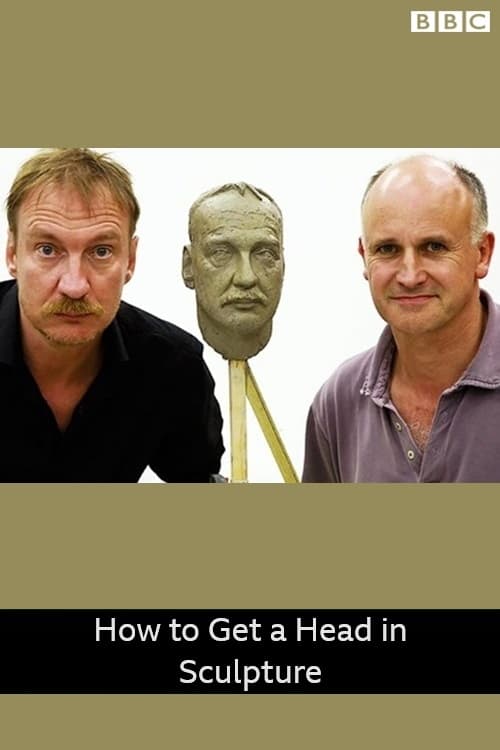
From the heads of Roman Emperors to the 'blood head' of contemporary British artist Marc Quinn, the greatest figures in world sculpture have continually turned to the head to re-evaluate what it means to be human and to reformulate how closely sculpture can capture it. Witty, eclectic and insightful, this film is a journey through the most enduring subject for world sculpture, one that carves a path through politics and religion, the ancient and the modern. Actor David Thewlis has his head sculpted by three different sculptors, while the Archbishop of Canterbury Dr Rowan Williams, artist Maggi Hambling and art critic Rachel Johnston discuss art's most enduring preoccupation, ourselves.
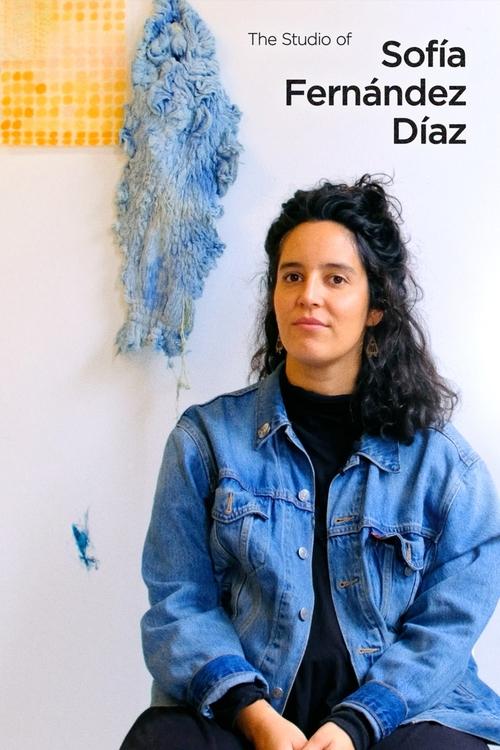
México-raised and currently Chicago-based artist Sofía Fernández Díaz details her process of adorning found objects and handmade textiles with beads, dyes, and melted wax to imbue them with new meaning, and to give them patitas.
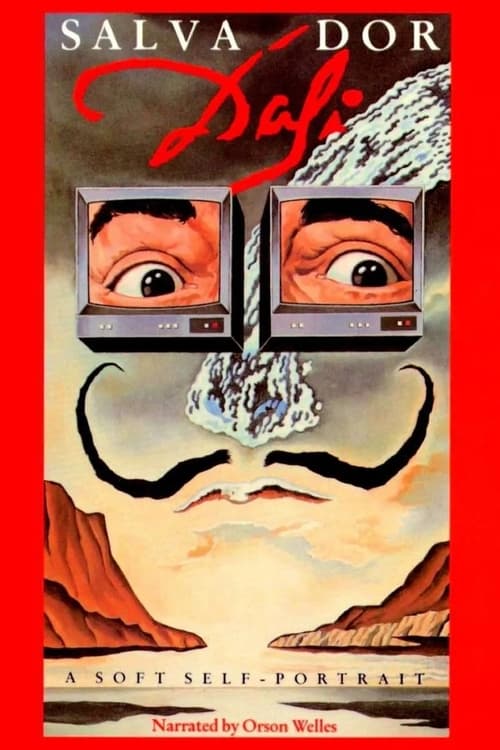
A documentary about surrealist artist Salvador Dali, narrated by Orson Welles.
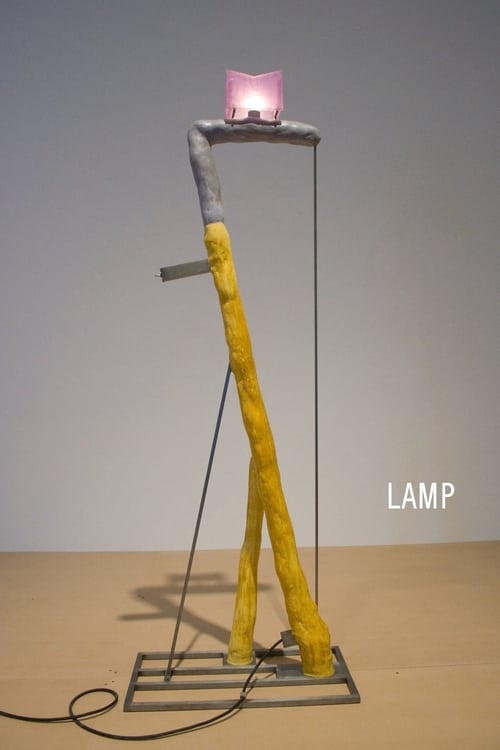
Short documentary of David Lynch building a lamp.
A fascinating journey through the life of Israeli artist Dani Karavan, an irreverent and charismatic creator, recognized worldwide for radically transforming public space with his monumental environmental installations.
56-year-old artist Mindy Alper has suffered severe depression and anxiety for most of her life. For a time she even lost the power of speech, and it was during this period that her drawings became extraordinarily articulate.
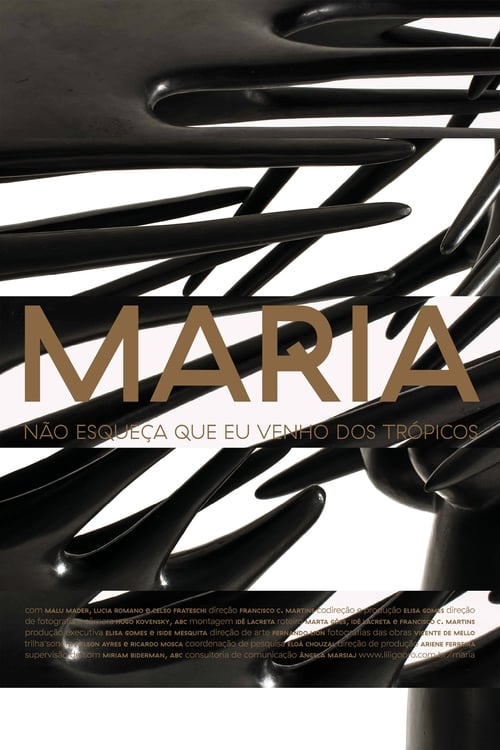
An examination of the relationship between the life and art of Maria Martins, now recognized as one of the greatest Brazilian sculptors, in addition to her engravings and texts. The film reveals the greatness of her work and her boldness when dealing directly with the feminine perspective of sexuality, a transgression that led to attacks by Brazilian critics. In parallel, her life as the wife of an important diplomat and her connection to Marcel Duchamp, in a relationship of mutual collaboration between the two artists.
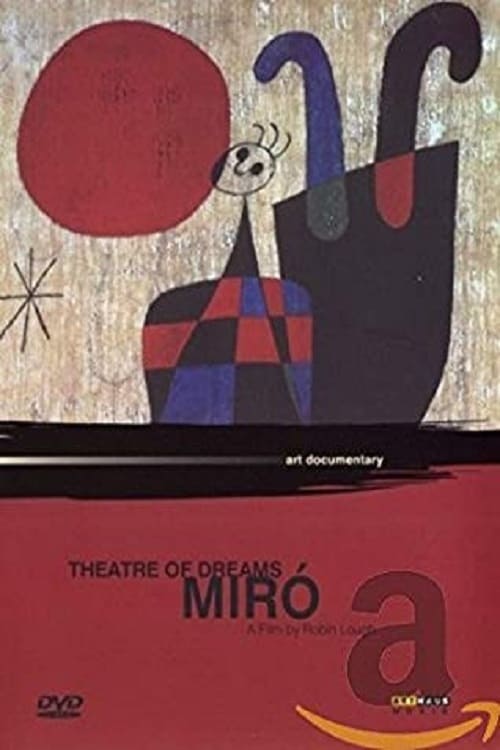
With his seemingly naïve, symbolic paintings, Joan Miró formed a new artistic language in the 20th century. Brought up in Barcelona, the painter, graphic artist and sculptor was drawn to Paris and, under the influence of the surrealists, developed his unique style and poetic imagery that unite Catalan folk art and fantastic elements. Robin Lough followed the 85-year-old Miró to theatre rehearsals and went to see him in his studio on Majorca. There he met with an amazingly creative and disciplined artist, whose visionary pictures paved the way for abstract expressionism.
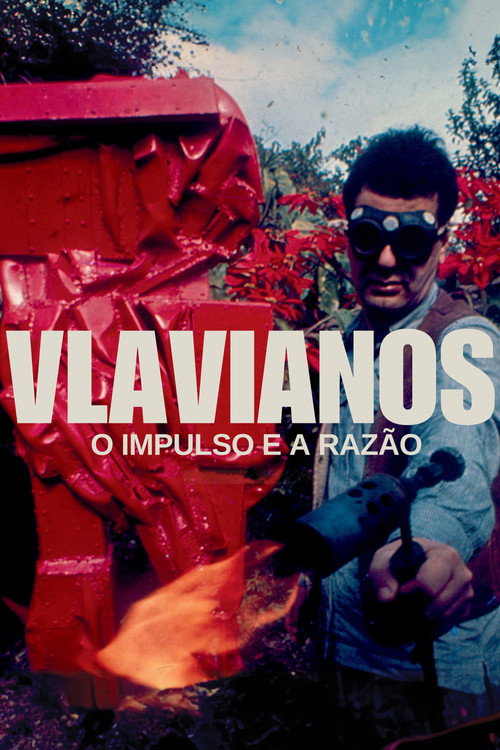
The documentary follows Nicolas Vlavianos (1929-2022), a renowned sculptor, in the final years of his life. It captures the moment — when he is around 90 years old — that he returns to an old drawer, tries to pick up his tools, and realizes he no longer has the strength to hold them. That simple gesture becomes the symbolic trigger: the end of his long creative cycle and the beginning of a farewell to his art. From there, the film documents the dismantling of Vlavianos’s studio and workspace, and the gradual process of his withdrawal from physical creation. It’s not just a retrospective of works: it’s a portrait of decline, memory, mortality, and legacy.
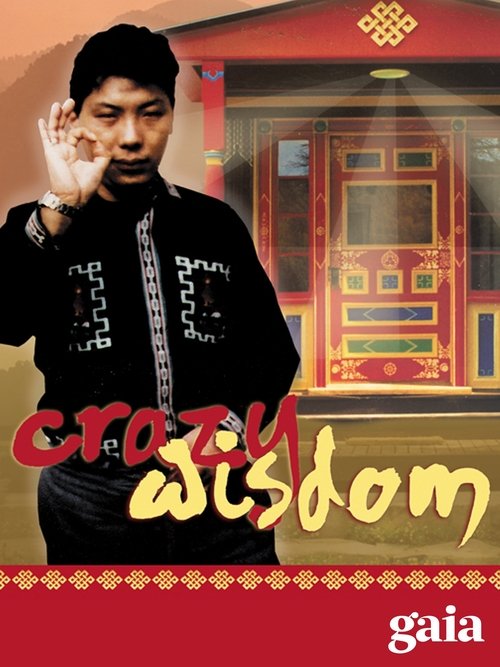
CRAZY WISDOM explores the arrival of Tibetan Buddhism in America through the story of Chögyam Trungpa, who landed in the U.S. in 1970. Trungpa became renowned for translating ancient Buddhist concepts into language and ideas that Westerners could understand and shattered preconceived notions about how an enlightened teacher should behave. Initially rejected, his teachings are now recognized by western philosophers and spiritual leaders as authentic and profound.