Hear from leaders in the underground church in this gripping documentary, and allow these persecuted believers to ask you—as they ask themselves—"What is your price?”
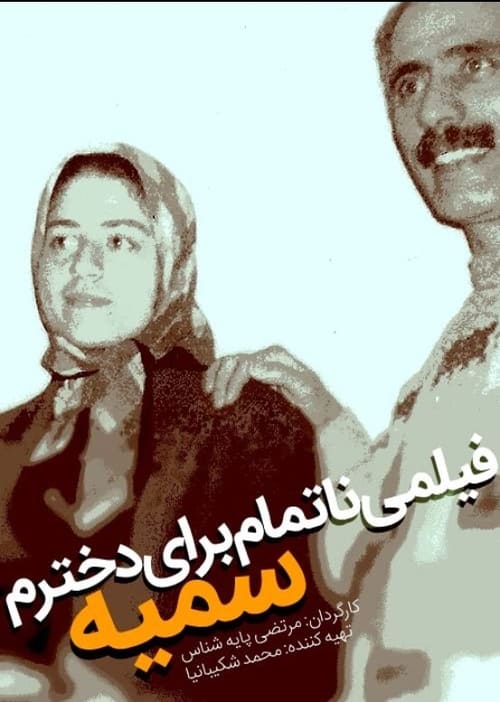
Family videos are odd objects. You can sit around all together and for a few hours relive your life. Family videos are valuable. The older the videos are, the more valuable they become for us. Especially for those of us who have had complicated lives.
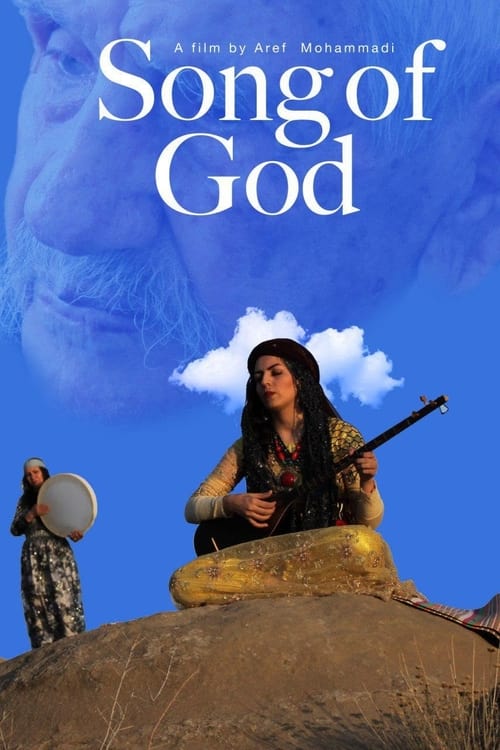
When an Iranian-Canadian filmmaker hears the story of Master Ghadamyar- a Kurdish 120-year-old Tanbur player, he takes off on a mission to discover more about this spiritual master's musical and enchanting life. The film follows his journey to Western Iran, where he unearths the ancient traditions and teachings of Ghadamyar's faith known as Yarsanism, and its relationship to the mysterious Tanbur as a meditative instrument. The film takes audiences on a musical and visual quest among rugged landscapes of Western Iran to experience undiscovered voices and spiritual awakening. We witness the collective prayer of Yarsani Tanburists, as a practice to maintain their spiritual identity and search for inner beauty.
A computer screen, images from the four corners of the world. We cross borders in one-click while another trip’s story reach us in bits, through text messages, chats, phone conversations, and an immigration office’s questionnaire. It’s the journey of Shahin, a 20-year-old Iranian boy who, fleeing his country alone, lands in Greece, then winds his way to England where he claims asylum.
Case history of an Iranian patient bitten by a rabid wolf.
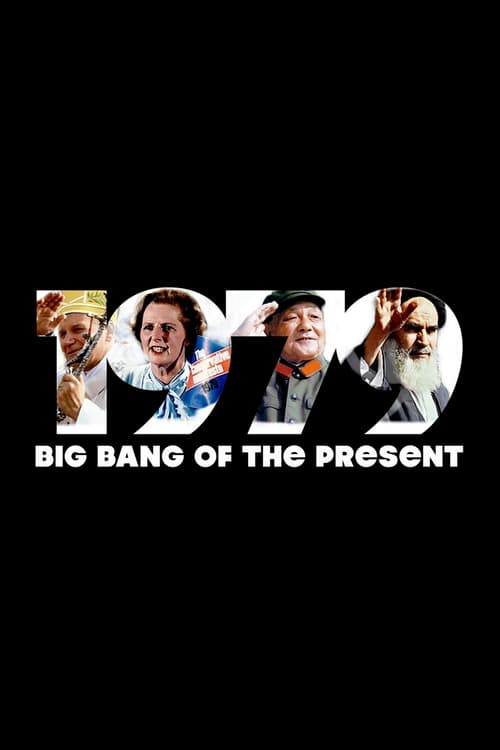
Deng Xiaoping's economic and political opening in China. Margaret Thatcher's extreme economic measures in the United Kingdom. Ayatollah Khomeini's Islamic Revolution in Iran. Pope John Paul II's visit to Poland. Saddam Hussein's rise to power in Iraq. The Soviet invasion of Afghanistan. The nuclear accident at the Harrisburg power plant and the birth of ecological activism. The year 1979, the beginning of the future.
After five years studying in Paris, Arash has not adjusted to life there and has decided to return to Iran to live. Hoping to change his mind, his two friends Hossein and Ashkan convince him to take a last trip through France.
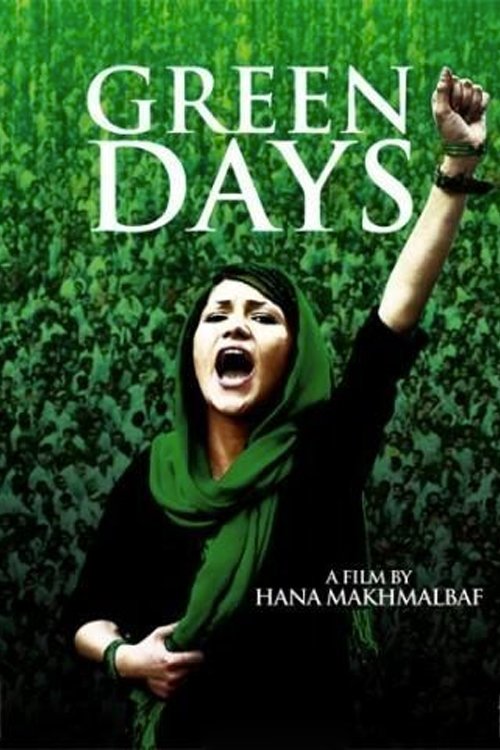
A playwright Iran tries to confront a creative crisis while political clashes erupt during her country's 2009 election.
Iran, January 16th, 1979. Shah Mohammad Reza Pahlavi flees after being overthrown. Ayatollah Khomeini returns to Tehran and proclaims the Islamic Republic on April 1st, 1979. In the same year, Saddam Hussein seizes power in Iraq and, after several border skirmishes, attacks Iran on September 22nd, 1980, initiating a cruel war that will last eight years. Since its outbreak, correspondent Saeid Sadeghi documented it from its beginning to its bitter end.
AMERICAN COUP tells the story of the first coup ever carried out by the CIA - Iran, 1953. Explores the blowback from this seminal event, as well as the coup's lingering effects on the present US-Iranian relationship. Includes a segment on the 1979 Iranian Hostage Crisis and its relation to the 1953 coup. Concludes with a section on the recent Iranian presidential election. Contains interviews with noted Middle East experts and historians and prominent public figures such as Stephen Kinzer (author, All The Shah's Men), Prof. Ervand Abrahamian, Trita Parsi, Col. Lawrence Wilkerson, Ted Koppel and Rep. Ron Paul of Texas. With Iranian cinematography by James Longley.
The creation of Iannis Xenakis’ « Persephassa » at the Shiraz-Persepolis Art Festival. There are only a few archives left of this piece, for its ring-like disposition around the audience made it difficult for people to record it or take pictures of it. When it was created in Persepolis, each percussionist was settled on the stump of a column of the Palace of Darius. The distance between them could go as far as 164 feet (50 metres).
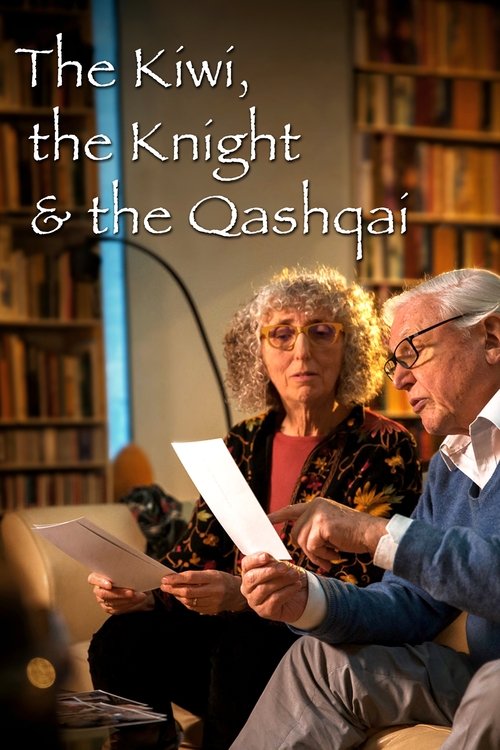
Follows Anna Williams, an Oriental carpet repairer from New Zealand, on a pilgrimage to Iran, where she stays with the Qashqai, and then to London where she meets Sir David Attenborough to talk about the Qashqai and their traditionally woven rugs.
Iranian Taboo tells the harrowing story of Baha'i woman Nadereh and her 14-year-old daughter who decide to sell all their belongings and leave their home in Isfahan to take refuge in the west. The film takes us across continents from Turkey to Israel and from the USA to Iran. We are given unique insights - from the underground Baha'i university (BIHE) to Iranian Nobel Peace Prize winner, Shirin Ebadi, from the suppressed Baha'i peasants of the Ivel village in the northern province of Mazanraran to Abolhassan Banisadr, 1st president of the Islamic Republic of Iran.
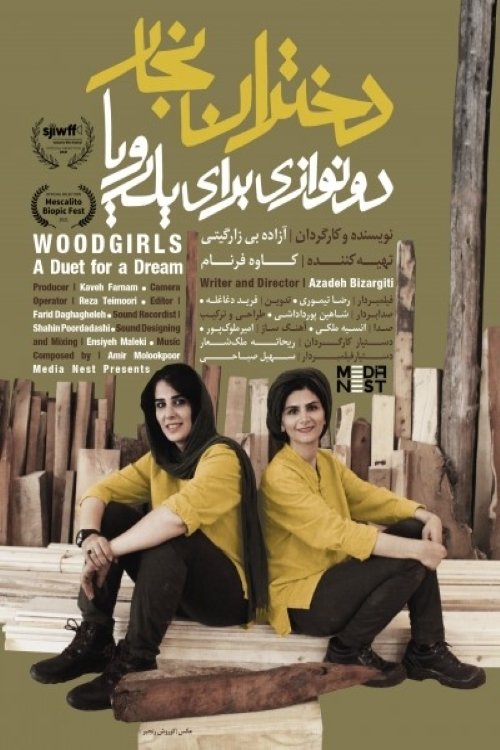
A story about the lives of Leila Avakh and Sedigheh Momennia who have chosen, with much love and passion, carpentry as a profession, a profession that is considered extremely masculine in the traditional society of Iran. As such, these two face many difficulties and obstacles. However, they are determined to prove to themselves and their society that it is not impossible to achieve your dreams. Leila and Sedigheh are amongst the first female carpenters in Iran.
On stage since she was a toddler, Googoosh has been an icon of Iranian pop culture since the 1970s. Her progressive style and raw singing talent attracted worldwide acclaim and saw her performing alongside the likes of Tina Turner and Ray Charles. But the star's career came to an abrupt halt after the Islamic Revolution, which banned women from singing in public. Googoosh was placed under house arrest, where she remained for the next two decades. Niloufar Taghizadeh's documentary, which includes interviews with the charismatic singer (now in her seventies, but still performing and advocating for women and girls) and arresting archival footage, offers both a loving portrait of a national icon and a fascinating historical and cultural record of Iran.
Russia, China and Iran: three former empires are determined to take their revenge and reassert their power after centuries of humiliation. Since the start of the war in Ukraine, they have never been so aligned on the international stage. Their common goal: to put an end to Western hegemony, restore their zone of influence and propose a new model of society. To achieve this, they are waging a hybrid war against the democracies: military, technological, economic, informational and ideological. Are they on the verge of joining forces to create a new world order?