A musical portrait of Zydeco King Clifton Chenier, who combines the pulsating rhythms of Cajun dance music and black R&B with African overtones, belting out his irresistible music in the sweaty juke joints of South Louisiana.
Clifton Chenier
as Himself
May 2017. As the new President of the United States takes his ease in the White House, the city of Breaux Bridge, Louisiana, is the theatre of the mythic Crawfish Festival. It's just another day, in America.
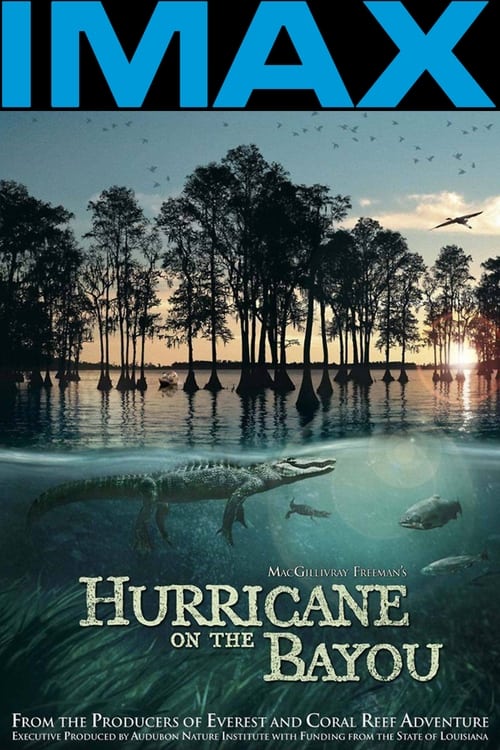
The film "Hurricane on the Bayou" is about the wetlands of Louisiana before and after Hurricane Katrina.
For 170 years, a Native American community has occupied Isle de Jean Charles, a tiny island deep in the bayous of Louisiana. They have fished, hunted, and lived off the land. Now the land that has sustained them for generations is vanishing before their eyes. Coastal erosion, sea level rise, and increasing storms are overwhelming the island. Over the last fifty years, Isle de Jean Charles has been gradually shrinking, and it is now almost gone. For these Biloxi-Chitimacha-Choctaw Indians, their land is more than simply a place to live. It is the epicenter of their people and traditions. They now must prepare to say goodbye to the place, where, for eight generations, their ancestors cultivated a unique part of Louisiana culture.
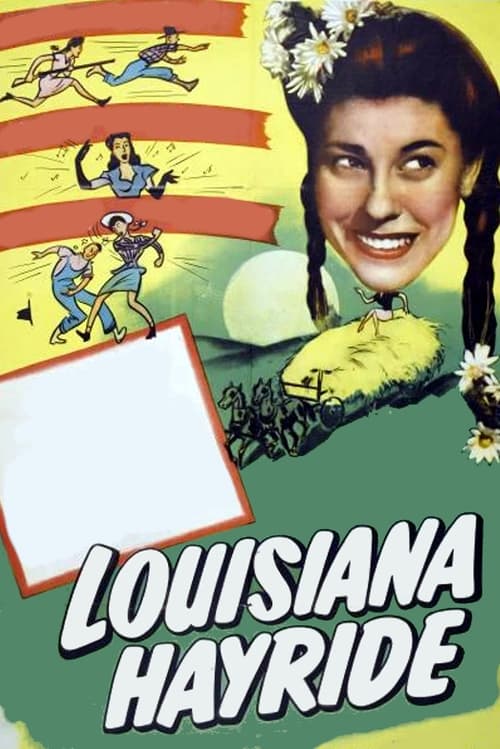
A naïve farm girl is duped by con men who promise her movie stardom in exchange for her savings.
Since August 2024, in Martinique, a popular protest movement against the high cost of living has been reemerging under the leadership of the RPPRAC (Rassemblement Pour La Protection Des Peuples Et Des Ressources Afro-Caribéens – Gathering for the Protection of Afro-Caribbean Peoples and Resources). On the island, food prices are on average 54% higher than in mainland France.* Through various cultural figures, the people of Martinique are expressing their anger and seeking concrete solutions. *Source: Kiprix, Price comparison between supermarkets in the French overseas territories and mainland France.
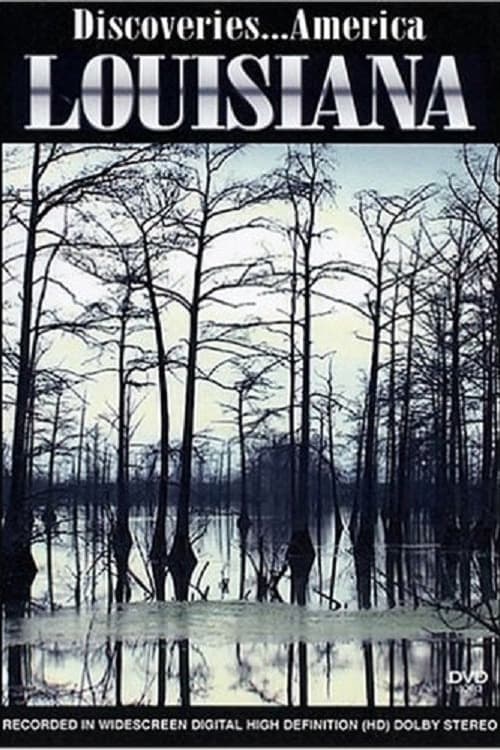
Take to the streets of New Orleans by horse drawn carriage and visit some of the city's most popular attractions including a stop at Café Dumond, the French Quarter & Jackson Square. At the School of Cooking you'll learn as much about history as you will food. In the evening, Bourbon Street comes alive with jazz musicians and tourists. Journey by rail on the country's oldest streetcars past the elegant and historic mansions of the Garden District. Birdwatchers delight in the Creole Nature Trail where dozens of species of exotic birds can be seen including spoonbills and different types of ibis.
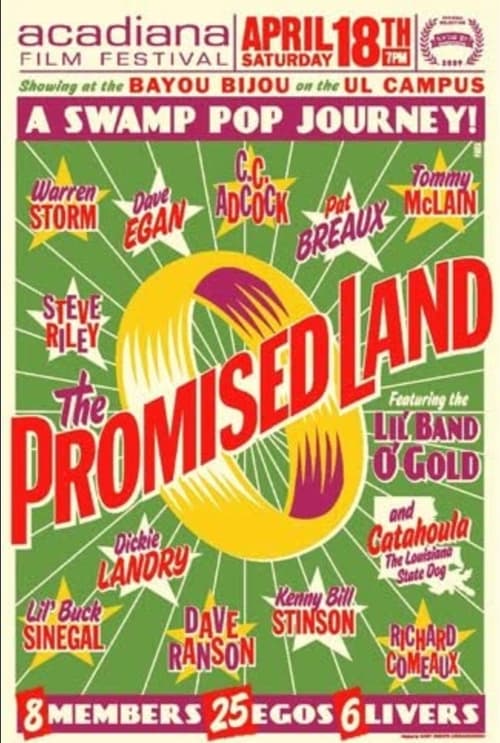
Head to southern Louisiana with filmmaker Matthew Wilkinson to soak up one of the country's best-kept musical secrets: Lil' Band o' Gold, a group of seasoned musicians who churn out an eclectic blend of country, R & B and zydeco known as swamp pop. This lively documentary follows blues-rock legend C.C. Adcock as he scours the marshes and prairies of Acadiana to assemble a supergroup of diverse personalities, backgrounds and musical styles.
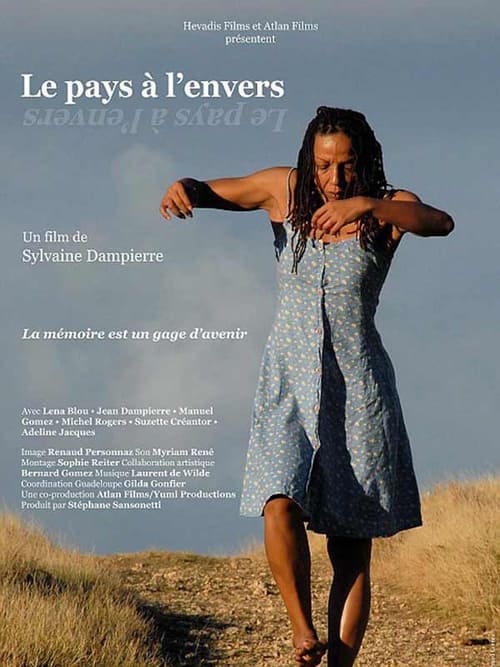
Returning to the island that her father left 50 years earlier, the filmmaker goes back in time to retrace the history of her name.
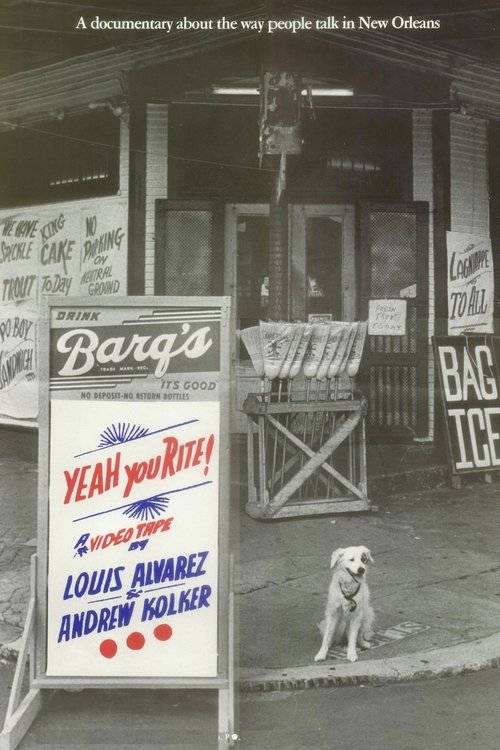
This award winning film is a fast paced, humorous look at the colorful way the residents of New Orleans express themselves - why they talk the way they do, where the words come from, and what it means to talk with a New Orleans accent.
A documentary film about the origins of the Basque trikitixa. It reflects how the small accordion brought by one of the Italian workers who came to build the Madrid-Paris railway tunnels in 1859, starting from Zumarraga, has become a symbol of contemporary Basque music.
Born on Halloween, 1935, Dale Brown's fight for justice began the day his father walked out - two days before he was born. About how an overachiever from tiny Minot, North Dakota relentlessly fought his way to the top.
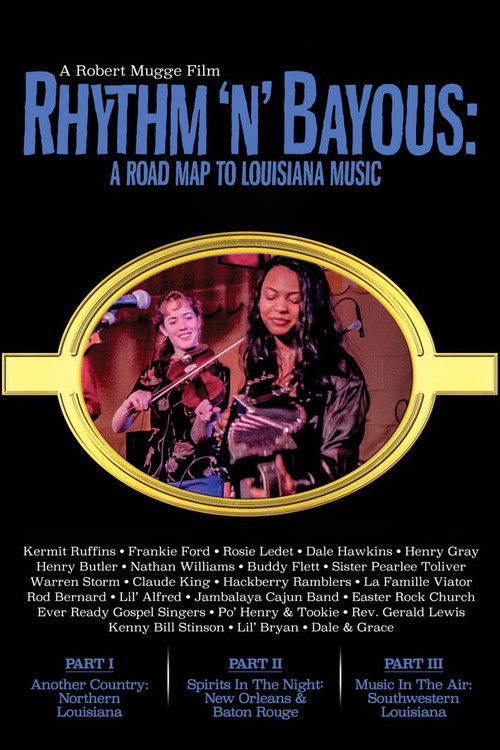
Begun as the official chronicle of a Rock and Roll Hall of Fame bus tour through New Orleans and southwestern Louisiana, it turns into a more informal, out-of-the-way journey to blues and zydeco clubs, gospel churches and radio stations, and musical family gatherings in backwater bayous.
Humorist Roy Blount Jr. takes viewers on a journey down the Mississippi River, showcasing everything from areas with spectacularly beautiful scenery to ugly and dangerously polluted stretches bordered by industrial development.
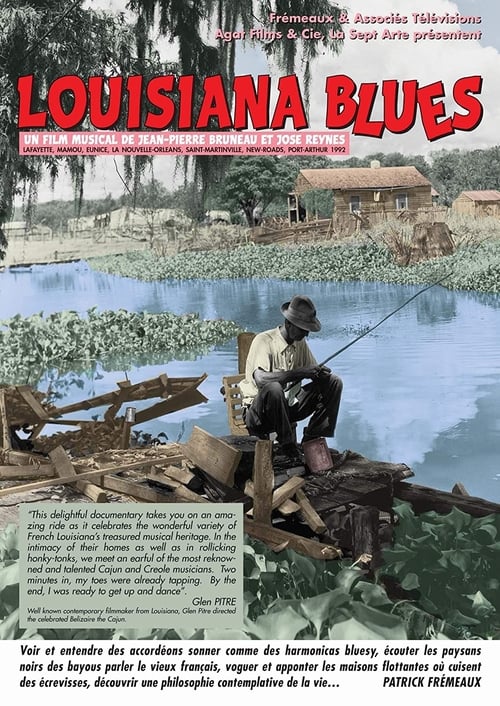
From the camera of celebrated French documentarians Jean-Pierre Bruneau and Jose Reynes, and in the tradition of The Buena Vista Social Club, comes the exhilarating musical documentary Louisiana Blues. From the backwoods of Baton Rouge to the heart the Big Easy, creole and Cajun music have endured despite years of tumult. This film explores not only the musicians who continue to produce this music, but the climate, culture, and way of life that have shaped them. Innumerable zydeco superstars appear onscreen and deliver legendary performances, including Beau Jocque, D.L. Menard, and Zydeco Joe.
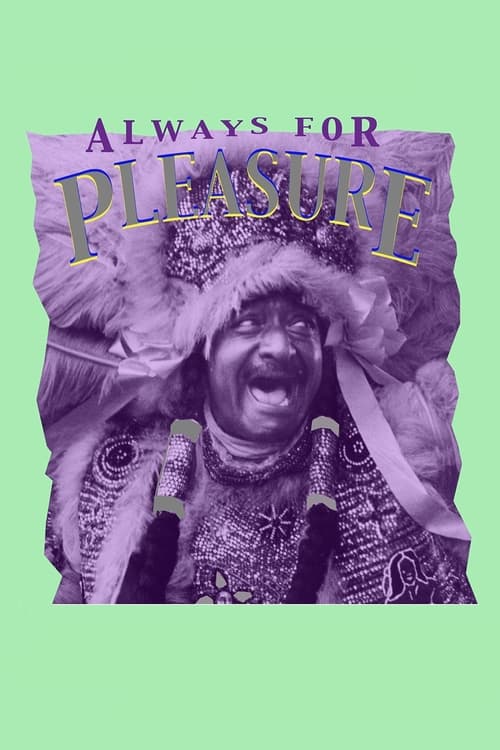
A musical portrait of New Orleans' street celebrations and unique cultural gumbo in 1977: second-line parades, Mardi Gras, Jazz Fest. Features live music from Professor Longhair, the Wild Tchoupitoulas, the Neville Brothers and more. This glorious, soul-satisfying film is among Blank's special masterworks. Preserved by the Academy Film Archive in 1999.
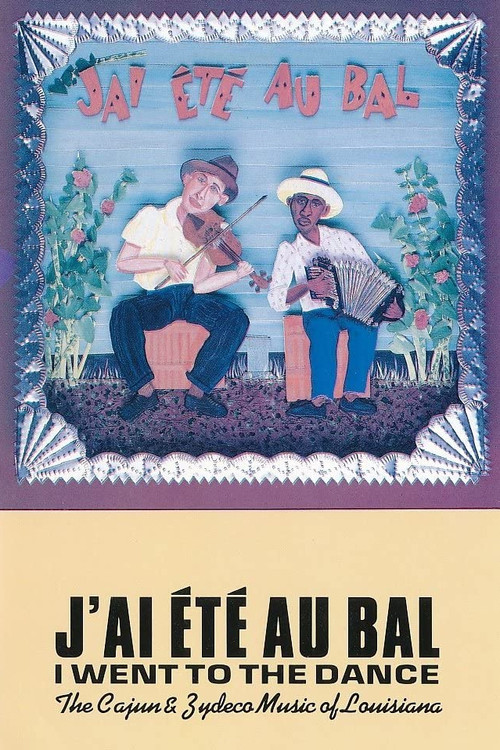
The definitive film on the history of the toe-tapping, foot-stomping music of French Southwest Louisiana. Includes many Cajun and Zydeco greats, featuring Michael Doucet and Beausoleil, Clifton Chenier, Marc and Ann Savoy, D.L. Menard, and many others.