a documentary from Amnesty International Indonesia and Watch Doc
Liona Nanang Supriatna
as Liona Nanang Supriatna
Diva Suukyi Larasati
as Diva Suukyi Larasati
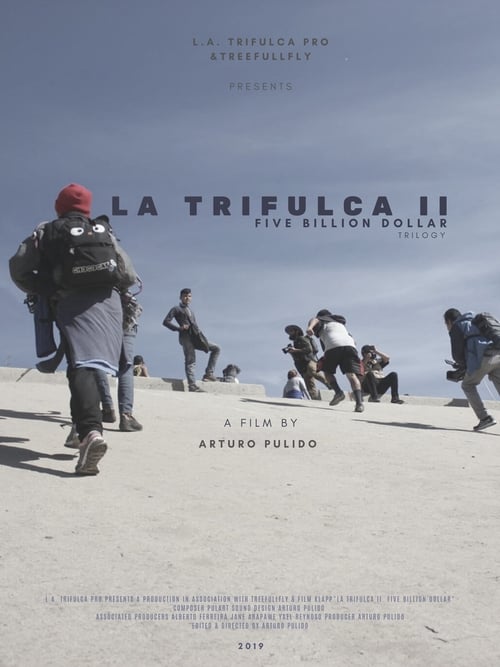
The citizens of Tijuana show their annoyance, what they call Central American invaders that ran out of their countries, fleeing violence, poverty, now installed and waiting to cross the wall to the United States.
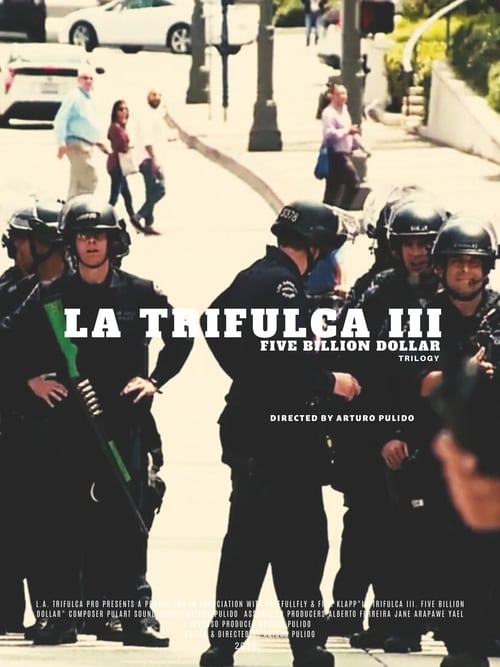
On the brink of social collapse, the city of Los Angeles California is full of protests in favor of immigrants and against deportations under the administration of Trump. On the border with Mexico, thousands of people try to cross every day.
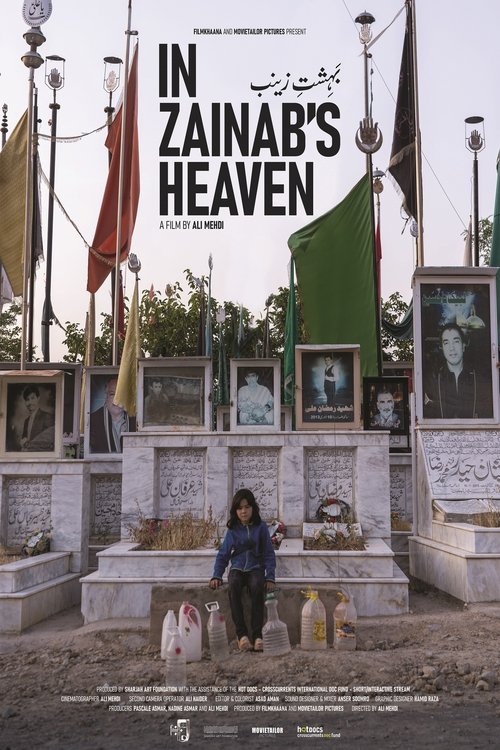
A Hazara film director follows a gravestone maker, a water girl and a man who buried his limb, as their daily lives unfold in a graveyard.
Vera and Gabriel, an elderly couple, navigate through past and present, telling their own life story. Their remembering, rendered in images from family archives that confound themselves with images of the present, suggests a personal diary on love and death.
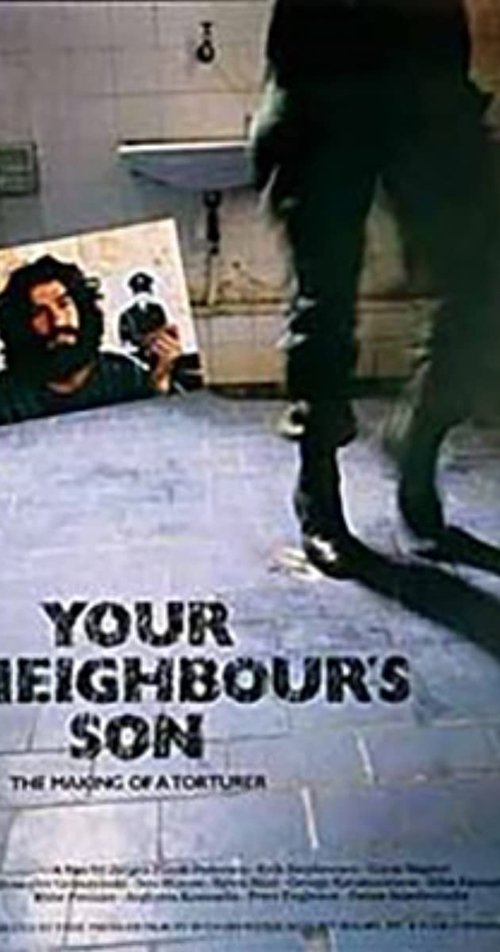
The film documents the conversion of young Greek Military Police (ESA) recruits into torturers and touches on the subject of the power of the institution to compel otherwise moral human beings to torture. The documentary examines the processes and methods of the military junta that ruled Greece from 1967 to 1974.
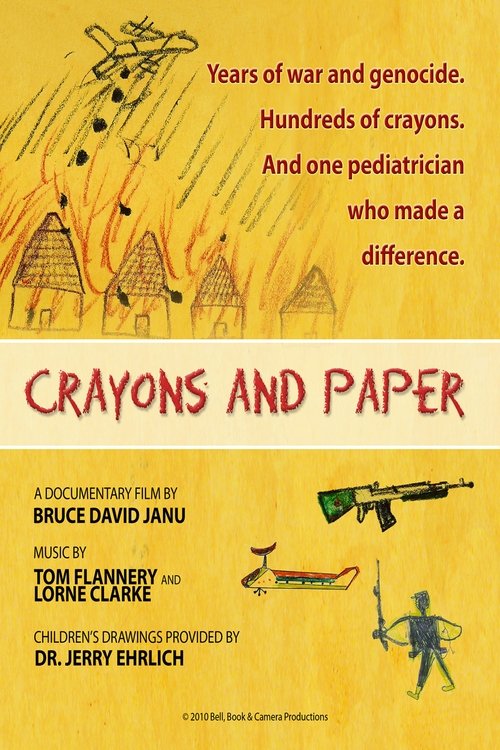
Crayons and Paper follows Dr. Jerry Ehrlich, a New Jersey pediatrician who worked with Doctors Without Borders in war zones including Sri Lanka, Haiti, the Caucasus, and Darfur. Alongside medical care, he gave children crayons and paper, encouraging them to draw their experiences. The resulting images—bombings, shootings, and burning villages—offer a raw, heartbreaking glimpse into the impact of war on children. These drawings serve as powerful testimonies, capturing trauma that words cannot. This short film tells Dr. Jerry’s story and honors the children whose art bears witness to the horrors of conflict.
The Film revisits the event, when 1800 Bengali Muslims were killed in Nellie and surrounding villages in Assam. It is an exploration of how the survivors remember the violence, over three decades later, and how the spaces that witnessed this violence continue to mark people’s relationship to history and memory.
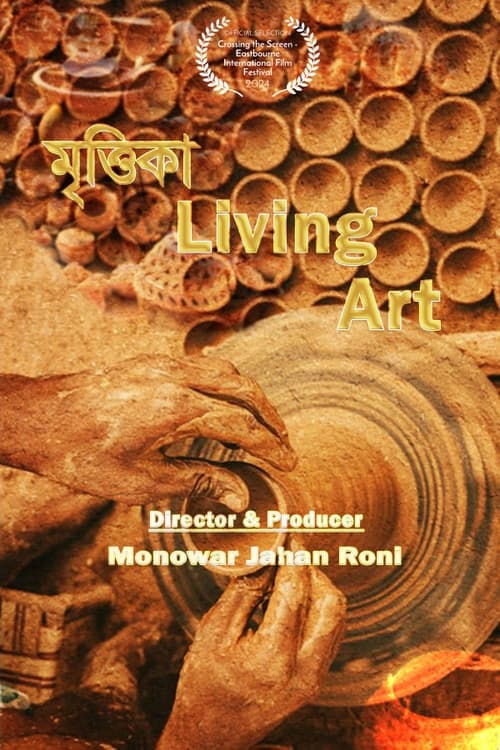
The thousand-year-old tradition of pottery in the Indian subcontinent is now under threat. With the market being flooded with plastic in the evolution of civilization, today this Pal community is becoming displaced.
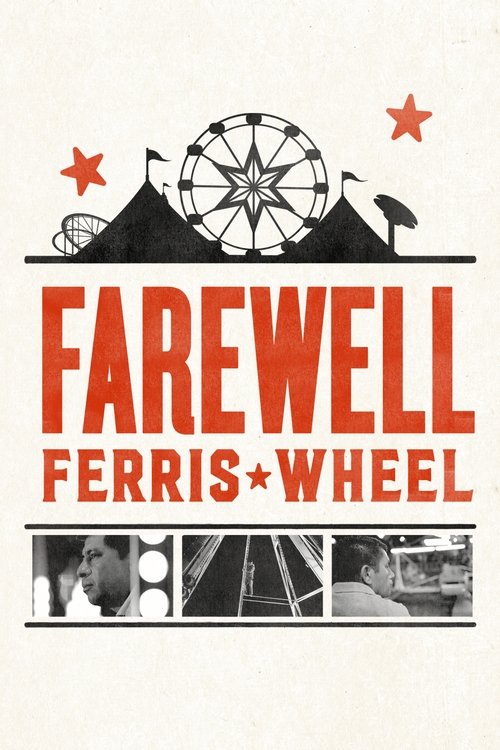
Farewell Ferris Wheel explores how the U.S. Carnival industry fights to keep itself alive by legally employing Mexican migrant workers with the controversial H-2B guestworker visa.
Indigenous chief Juma Xipaia fights to protect tribal lands despite assassination attempts. Her struggle intensifies after learning she's pregnant, while her husband, Special Forces ranger Hugo Loss, stands by her side.
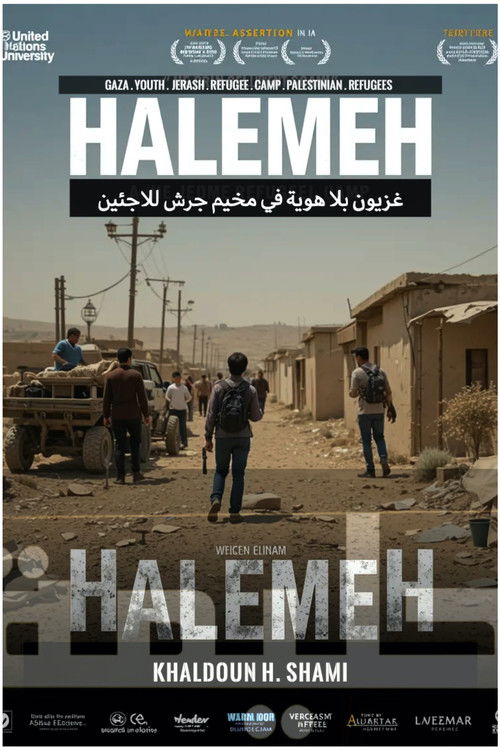
In the Gaza refugee camp of Jerash, Palestinians face the critical issue of lacking identification documents. This situation undermines their rights and hinders access to essential services and opportunities.
Born in Beijing tells the story of 'petitioners': citizens who feel themselves wrongfully treated by the local authorities and seek settlement in the capital. There are thought to be more than 100,000 petitioners in Beijing. These people, harassed by 'interceptors', brave terrible conditions in their battle against injustice and corruption.
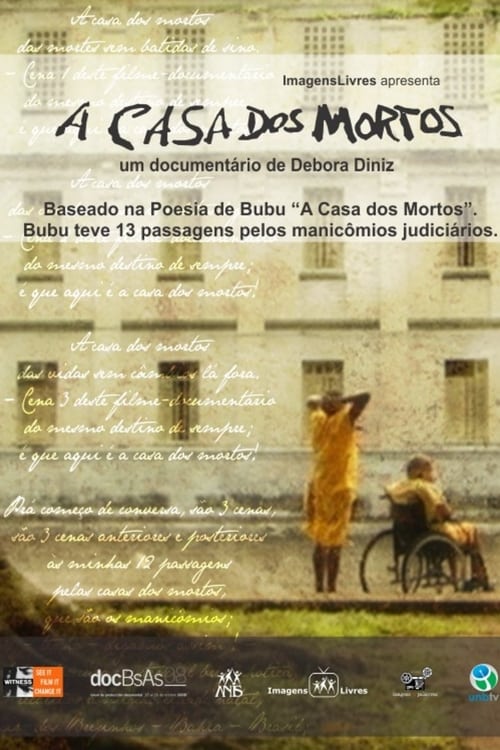
Bubu is a poet who has been committed to state institutions for the insane twelve times. He challenges the meaning of hospital-jails, hybrid institutions which sentence the insane to life imprisonment. The poem "The House of the Dead" was written during the filming of the documentary and reveals the forgotten deaths that occur in these judicial asylums. There are three stories in three acts of death. Jaime, Antonio, and Almerindo are anonymous men, considered dangers to society, whose punishment is the tragedy of suicide, the unending cycle of being committed to the asylum, or surviving life imprisonment in the house of the dead. Bubu is the narrator of his own life and also of his own destiny-death in the asylum.
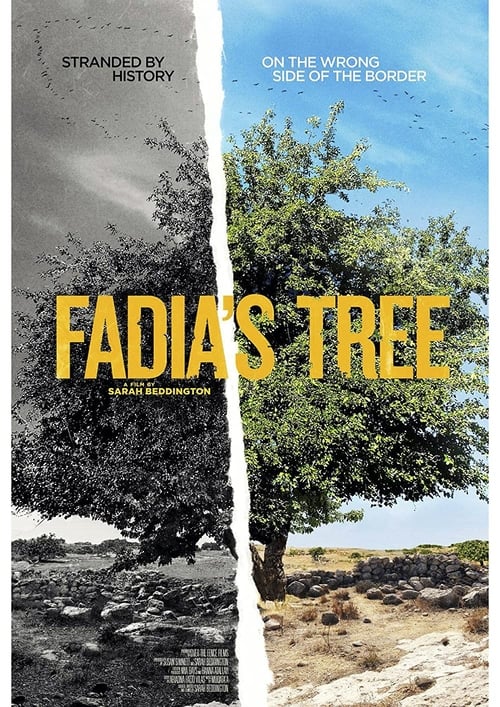
While millions of birds migrate freely in the skies above, Fadia, a Palestinian refugee stranded in Lebanon, yearns for the ancestral homeland she is denied. When a chance meeting introduces her to the director, Sarah, she challenges her to find an ancient mulberry tree that once grew next to her grandfather’s house in historic Palestine, a tree that stands witness to her family’s existence.