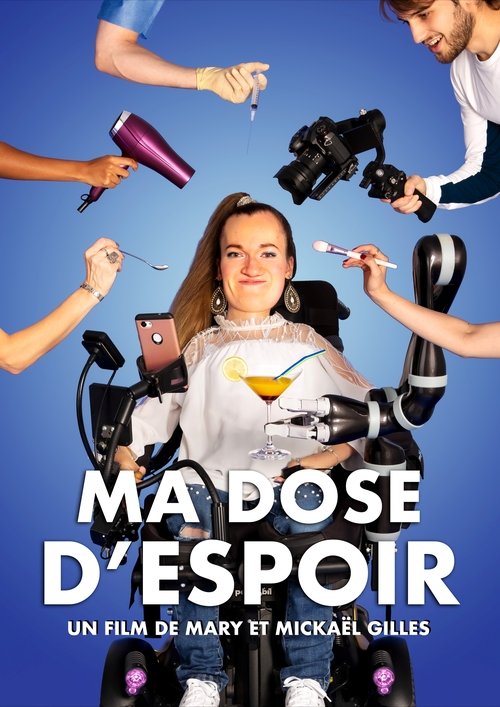
A film that presents the issue of disability through the journey of a young girl with disabilities, and her family in a multicultural environment within a short window of time.
June 16, 2011 Chenrezig Institute hosted the inaugural visit of His Holiness the 14th Dalai Lama of Tibet, Tenzin Gyatso. Founded in 1974 by Lama Thubten Yeshe, the Institute in the Sunshine Coast Hinterland was one of the first centres for Tibetan Buddhism in the Western World and remains one of the largets
“Factory-made wheelchairs are huge, heavy and ugly.” To counter this reality, wheelchair riders Ralph Hotchkiss and Omar Talavera began making beautiful, all-terrain wheelchairs. Their work draws on the resourcefulness of disabled people in the Third World, who have no choice but to build their own chairs. A well-crafted piece in its own right, Zimbabwe Wheel illustrates that wheelchairs can be truly empowering works of art: hand-crafted machines that are inexpensive, durable, and tailored to the needs of the rider.” Working on your chair is like working on your whole sense of self,” says a student, describing a feeling no factory-made chair can provide.
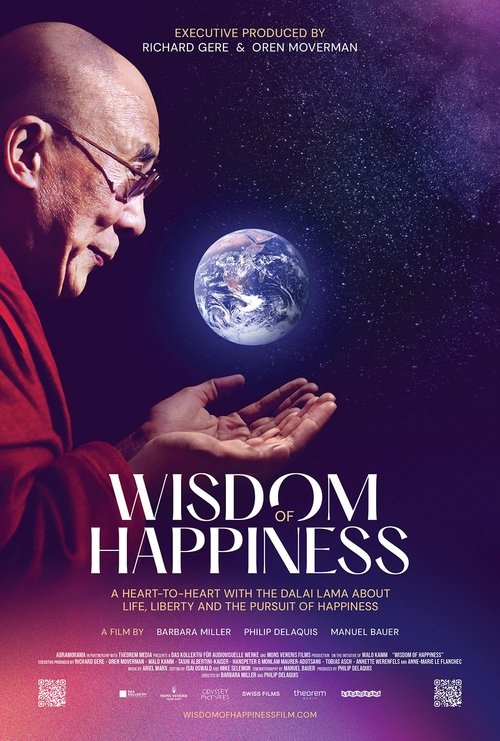
A deeply intimate and highly cinematic documentary featuring the Dalai Lama, who, at nearly ninety year of age, offers practical advice for navigating the 21st century's challenges.
The main characters of the film are two small boys who share the throne of Karmapa, the highest office of one of Tibetan Buddhism's main sects and the third in line after the Dalai Lama and Panchen Lama. As with the Dalai Lama, Karmapa is the same soul which reincarnates in each successor to the office, who is identified by omens, portents and other signs. The Karmapa line actually pre-dates the Dalai Lama's, and their respective importance has alternated in the course of history with either the Karmapa or Dalai Lama holding precedence. Only one of the current Karmapas lives in Tibet, who is recognized by the Dalai Lama but controlled by the Chinese government for political ends. The second Karmapa lives in New Delhi, India and was selected by a Tibetan group in exile. The film was shot in India, Nepal and Tibet and features the Dalai Lama as narrator, providing an incisive spiritual and political view of occupied Tibet.
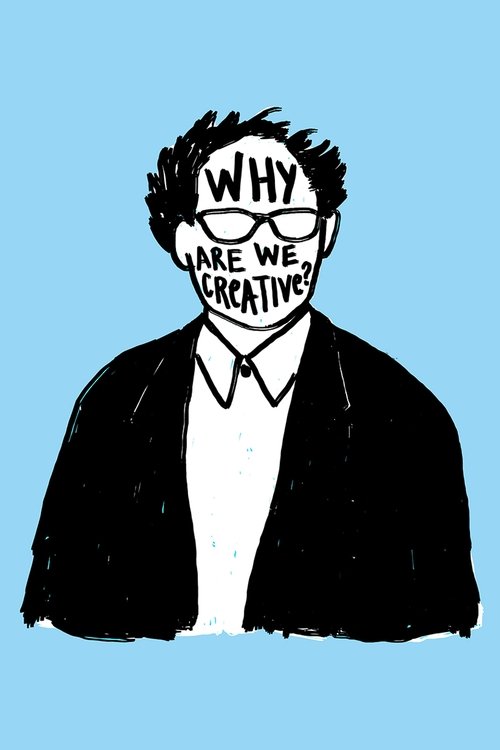
A 30 years odyssey: the world's most intriguing artists and thinkers from the fields of visual art, music, filmmaking, acting, literature, philosophy, politics, business and science, are asked the same question: "Why are you creative?"
A Tibetan immigrant returns to her home country to witness the Chinese occupation.
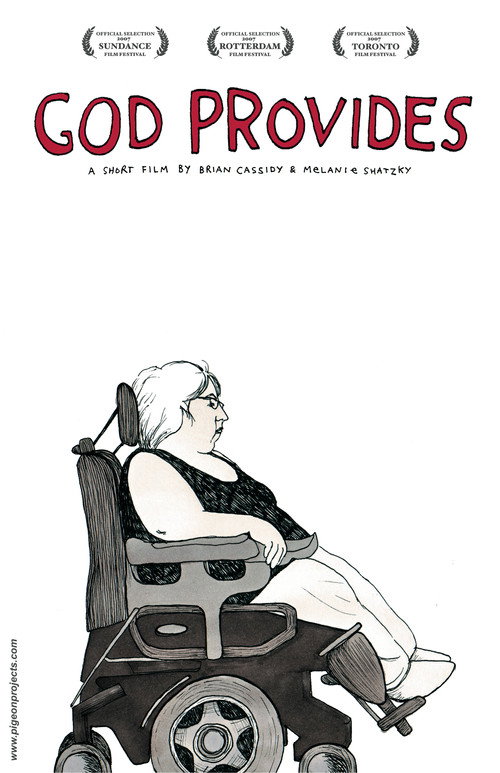
Shot in the immediate aftermath of Hurricane Katrina and bound by elements of fiction, this unexpected documentary short is a glimpse into faith-based sentiment and inexplicable loss. While a man searches for his kitchen appliances in the bushes, elsewhere a grinning preacher takes souvenir snapshots for his congregation, and a woman with a disability journeys to a quieter place.
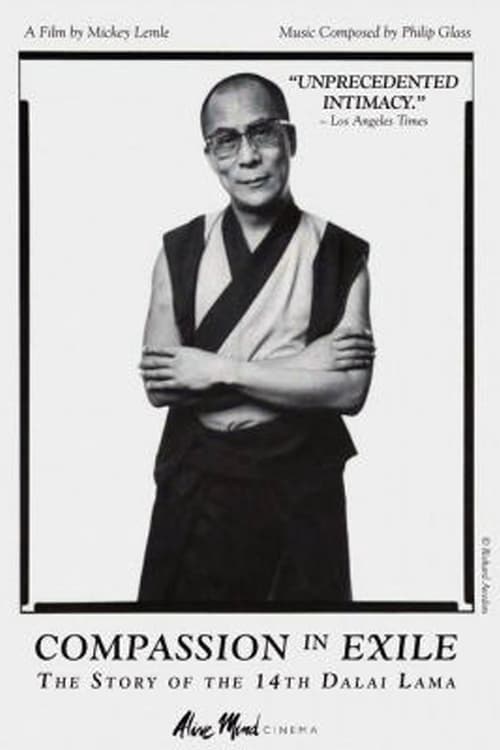
A portrait of His Holiness, the 14th Dalai Lama, which includes historical footage of China's repression of Tibetan Buddhism in 1959.
Director Lee Sin Yee reveals a deeply personal and reflective retelling of growing up with her brother who has autism. This autobiographical documentary explores her relationships with her sibling as they grow up together, yet separately. Interviewing her parents and interacting with her brother, she gives us an insight to her past and how she has come to understand her brother better.
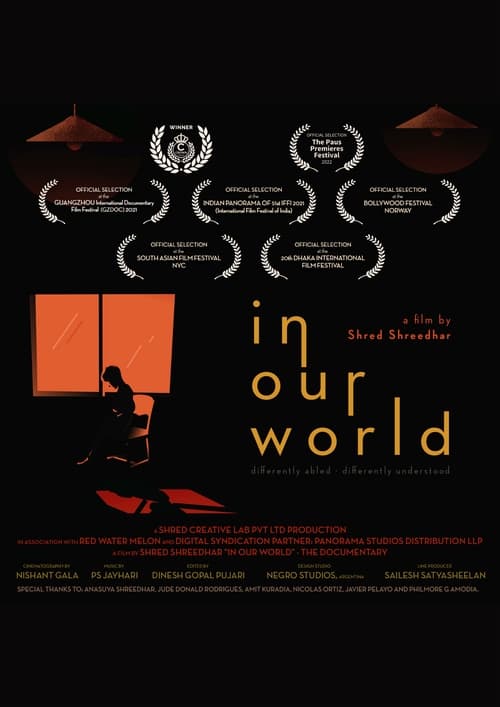
“Special,” “Gifted,” “Different,”… Despite the vast inventory of words to describe children who are on the Autism Spectrum, we still understand so little about their worlds outside of the medical lens. In Our World follows 3 children in their day-to-day lives – swimming classes, horse-riding, music lessons, special moments with their parents and therapists – and so much more, converging into a narrative that spells hope. The documentary aims to reveal the intricacies of their world and perhaps pave the way for OUR world, and for both to coexist with empathy and kindness.
Fetal Alcohol Spectrum Disorders (FASDs) occur when a pregnant mother consumes an amount of alcohol that is detrimental to the developing fetus. These effects can sometimes be seen in physical appearances and can even manifest in violent tendencies. As these children grow up, the tendencies become more uncontrolled, leading to difficulties fitting into society. This film explores the lives of 4 adolescents with FASDs and the effects that prenatal alcohol exposure has had, and continues to have, on their journeys to finding independence, fulfillment, and understanding the world around them.
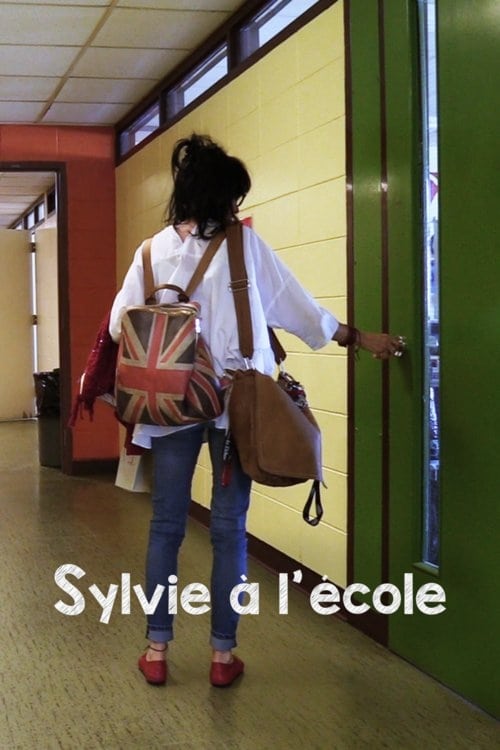
Sylvie Giroux doesn’t have kids, but every year, from September to June, about 10 teenagers aged 16 to 21 add a bit of magic to her life. These youngsters suffer from autism, Down syndrome, dyspraxia, severe anxiety and intellectual handicaps.
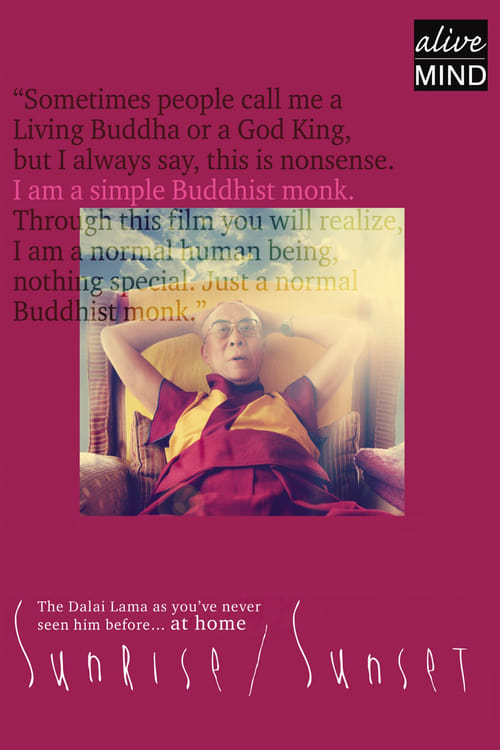
The daily life of the Dalai Lama is brought home with remarkable intimacy in SUNRISE/SUNSET. Granted total access to His Holiness for 24 hours, this is a day in the life of the Dalai Lama from when he wakes up at 3 a.m. until his bedtime at dusk.
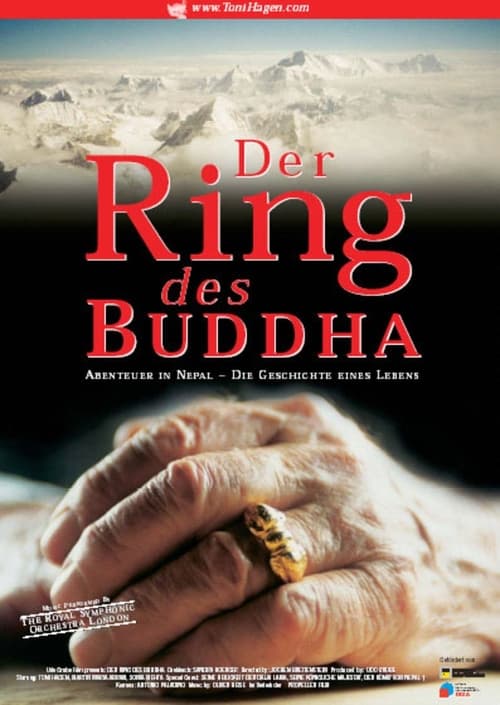
Nepal 1950. A mysterious, unexplored country. The Swiss geologist Toni Hagen, was the first European to pass through the "forbidden" kingdom. He doesn't discover any mineral resources there. Yet he does uncover the mysteries of life and penetrates towards a more profound truth which lends a new dimension to his life. In the spring of 1999, Hagen returns to Nepal to keep a promise of almost 50 years: At that time a Buddhist monk had presented him with the gift of a valuable and mystical ring.