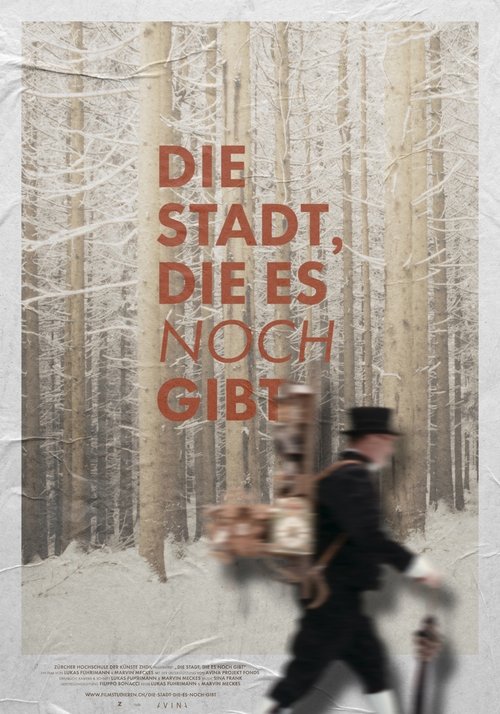
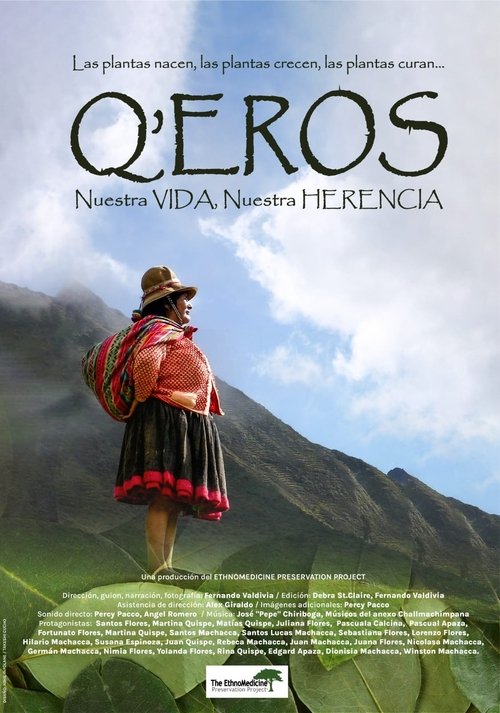
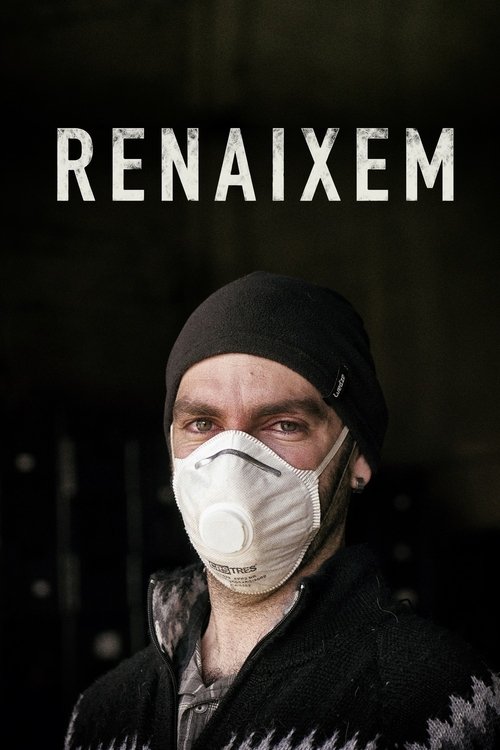
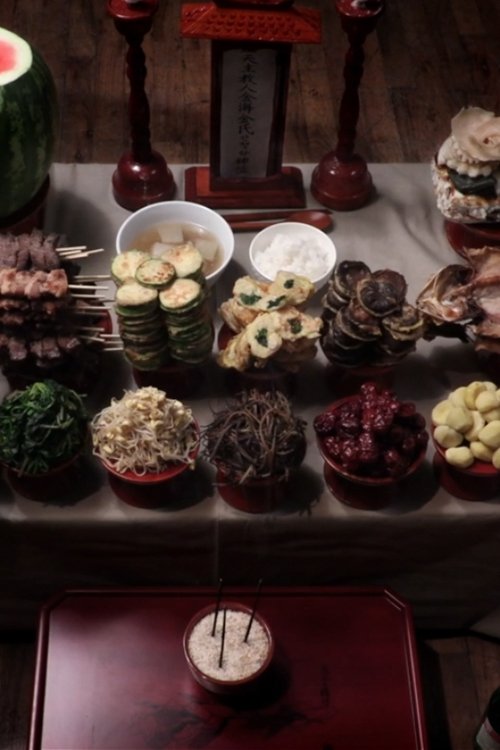
Traditions during Easter holidays in the remote village of Grešnica. The film was a research project of the newly opened Ethnological Museum to preserve the disappearing customs at least on film for future generations.

An unhappy family in a remote village in Calabria: Luisa is at war with the world since day one. She is juggling odd jobs, her love for her children and granddaughter, and her feuding with her mother, brother, and sister-in-law. While the two women exchange insults and call in the cops, three elderly aunts, a tragicomic chorus, try in vain to keep the peace.
In rural Kosovo, identical houses are built for family members working abroad, in the hope that they will one day return to settle in their old homeland.
The water is a metaphorical view of life in the drought of the people living in Pustec by Prespa Lake.
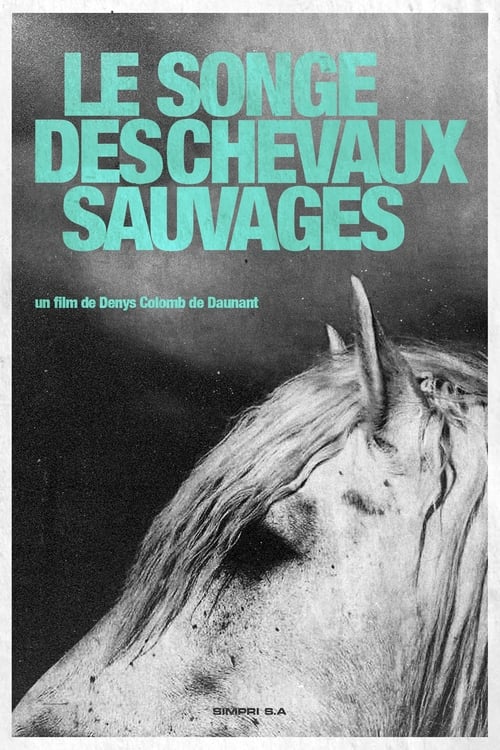
The horses in Denys Colomb Daunant’s dream poem are the white beasts of the marshlands of the Camargue in South West France. Daunant was haunted by these creatures. His obsession was first visualized when he wrote the autobiographical script for Albert Lamorisse’s award-winning 1953 film White Mane. In this short the beauty of the horses is captured with a variety of film techniques and by Jacques Lasry’s beautiful electronic score.
The Woven Path: Perempuan Tana Humba is made up of two short movies that highlight the role of women in Sumba culture. The first part of the documentary, The Woven Path, is a 10-minute movie featuring picturesque footage and images that serve as a backdrop to two poems centering on the theme of mothers. The 30-minute Perempuan Tana Humba is a much more straightforward documentary, focusing more on Sumba culture and women in three short chapters: “Marapu”, “Belis” and “Perkawinan”.
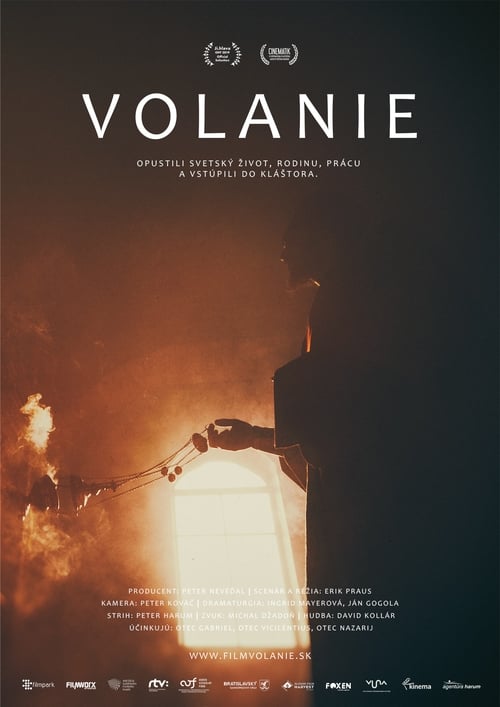
The plot of the film unfolds in the ancient monastery of Dokhiar on the west coast of Mount Athos, on the Aegean peninsula. This peninsula is given to the exclusive use of the monks of Eastern Christianity. Images of nature are woven into a virtually uninterrupted series of work and prayer, lining up in the rhythmic interrelation of man and nature. The central figure of the film was the monastery’s elder, Hegumen Gregory, whose long-term experience of spiritual nourishment rewarded him with a deep understanding of the human soul and her desire to return to the state characteristic of Adam’s human nature before the fall.
The enigma of the personality cult is revealed in the grand spectacle of Stalin’s funeral. The film is based on unique archive footage, shot in the USSR on March 5 - 9, 1953, when the country mourned and buried Joseph Stalin.
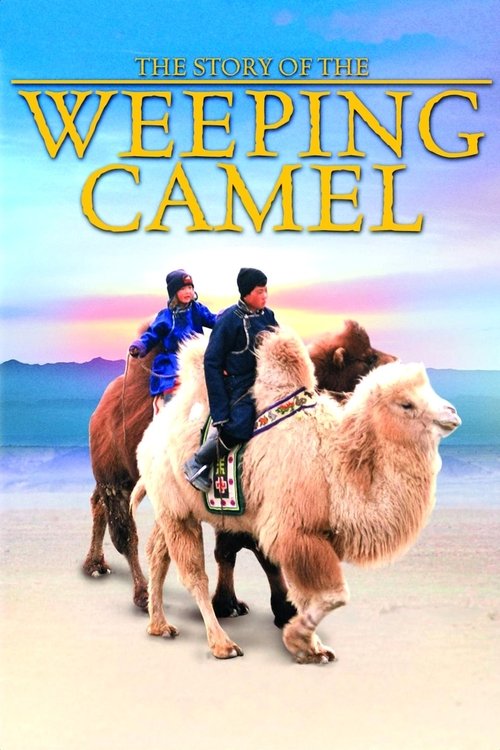
When a Mongolian nomadic family's newest camel colt is rejected by its mother, a musician is needed for a ritual to change her mind.
A documentary recording the lives of Khon students in their last years of study. They spent six years under the rules of the military regime after the 2014 coup d’etat. The coup granted the regime power to change many things, especially education which became more focused on the monarchy and royal glorification instead of basic human values. While the world is becoming awakened to human rights, the military regime deems them against their own values. The shooting of the film began at the time of the king’s succession, shortly after which there was a great social awakening in Thailand. Meanwhile, the authorities used state violence and oppression in an effort to eliminate dissidents, even when they were just high school and university students.
The one-night-only celebration honoring the life and legacy of the famed producer features intimate conversations, special performances and surprise reunions that pay homage to the man behind some of television’s greatest stories in celebration of his 100th birthday.
This is a documentary film about the land and people which will never restore their power of the past. A story about negations and many historical moments are enveloped in the veil of secret. Through the modern personalities and archives "The Last Macedonian from Macedonia" approaches to the truth revealing the never spoken moments and linking the past, present, but also the future. The film was shot on locations in Bitola and its surroundings.
Song is a story of the last Finnish rune singer and his pupil, and the comforting power of singing.
A documentary film exploring humanity's relationship with technology and with the natural world. Shot over a 5-year period in more than 30 countries, the film pioneers new timelapse, time-dilation, underwater, and aerial cinematography techniques to give audiences new eyes with which to see our world.
An old, broken morin khurr (horse head fiddle) compels renowned Mongolian singer Urna Chahar Tugchi to take a road journey to Ulan Bator and the steppes of Mongolia.
In the Sardinian town of Tonara, where the ancient art of crafting cowbells teeters on the edge of extinction, a family battles to preserve their heritage, passing down skills to a new generation while grappling with personal struggles and the pull of modernity. English subtitles.
The Opening of SkyDome: A Celebration - Andrea Martin and Alan Thicke co-hosted the 90-minute event on June 3, 1989, complete with songs written specifically for the celebration with over 5,000 performers which was broadcast nationwide on the CBC,
Highlighting the unique culture of the Zapotec people of Oaxaca, Mexico, this groundbreaking documentary chronicles the lives of those who identify as muxes, a widely recognized third gender.
The tribute concert in memory of Chester Bennington at Hollywood Bowl in Los Angeles.