Sandra Regina Palmieri
as Sandra Regina Palmieri
José Luis Duarte
as José Luis Duarte
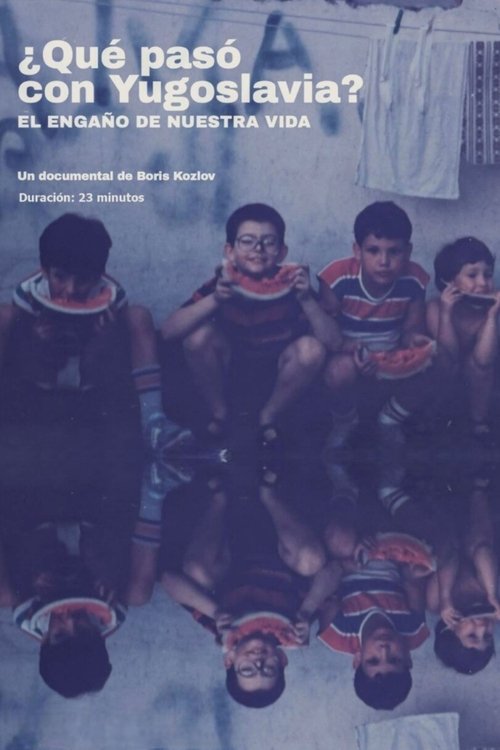
After forty years of fighting Moscow, Washington won the Cold War, and NATO found a way to expand eastward; however, there was one loose end to the problem: Yugoslavia was not a satellite of the USSR…
In a hidden workshop, surrounded by water and vegetation, a group of craftspeople live together with the statues they restore, silent spectators of a discreet battle against the inclemency of time and oblivion.
In 1968, Brazil’s military government convened the National Security Council to enact Institutional Act No. 5, ushering in the most violent period of the dictatorship. The meeting was recorded, but remained secret for decades. The filmmakers delved into the archives and now reveal the recordings.
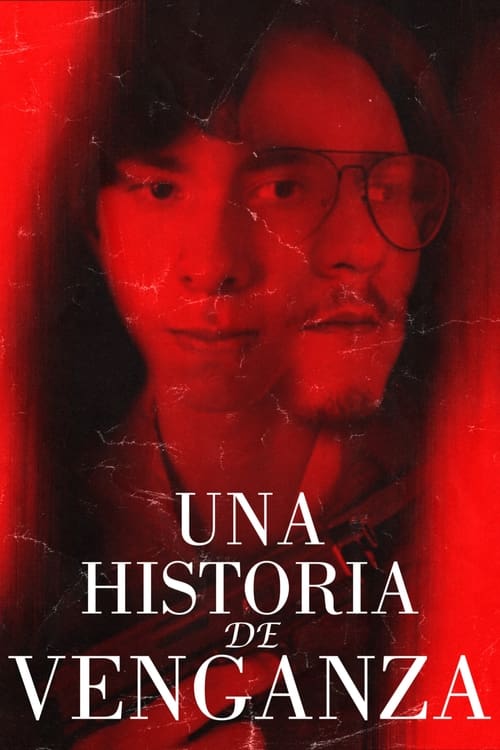
Franco, who was a loving family man turns into a nightmarish thug to hunt down his daughter's abuser. What at first seemed like an act of justice by his own hand was lost in a twisted personal revenge that will take Franco over the limit.
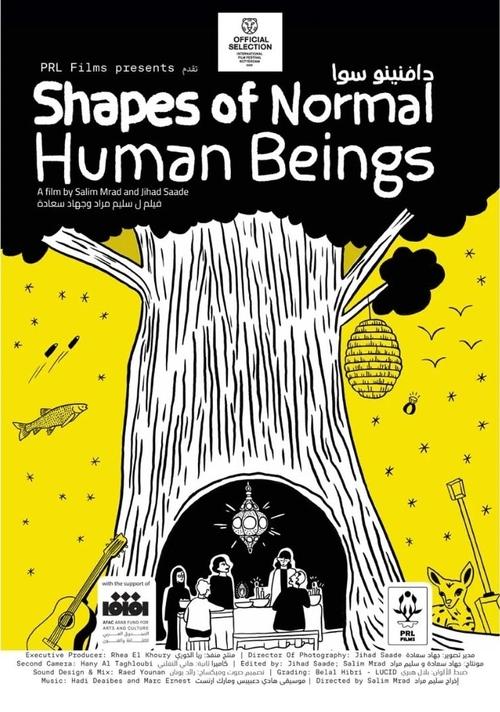
Three friends take an 8-day road journey to make sense of Lebanon at this moment in time. Each detour in their journey makes for a spectacular experience of co-narration and listening in the face of uncertainty.
I am sitting in a room is a sound art piece by American composer and sound artist Alvin Lucier composed in 1969. The first performance of the work was in 1970 at the Guggenheim Museum in New York. In collaboration with his partner Mary Lucier. The piece features Lucier recording himself narrating a text, and then playing the tape recording back into the room while re-recording it. The new recording is then played back and re-recorded, and this process is repeated. Due to the room's particular size and geometry, certain resonant frequencies are emphasized while others are attenuated. Eventually the words become unintelligible, replaced by the characteristic resonance of the room.
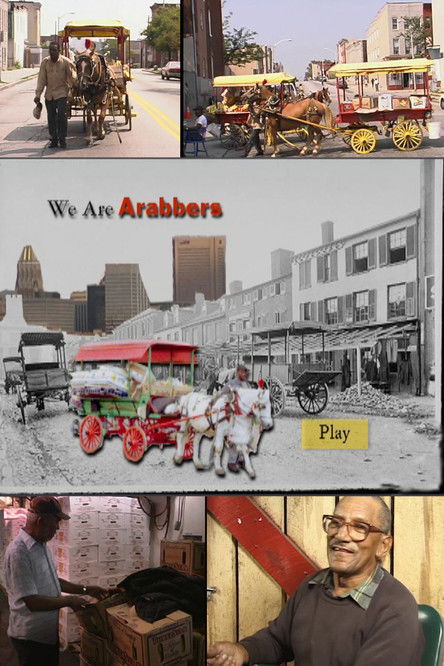
We Are Arabbers follows the last of the horse-and-wagon produce vendors along the streets of Baltimore as they struggle to make a living and maintain their unique culture.
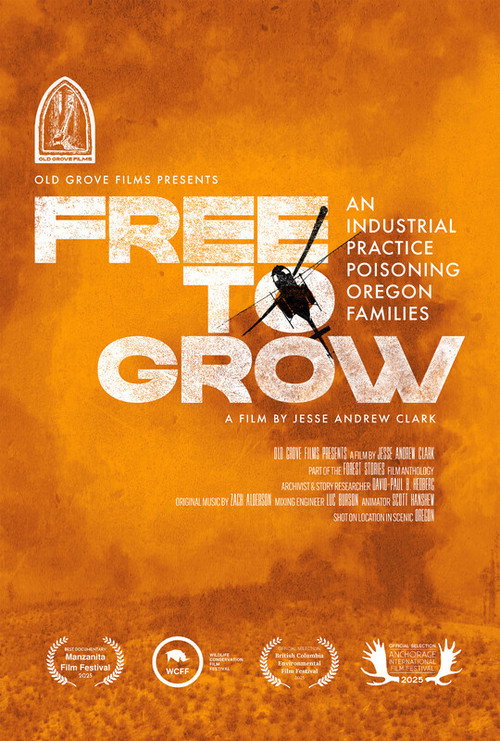
Rural Oregon families have taken up the fight against aerial herbicide spraying by the forestry industry for more than 50 years — but has public safety around these substances since improved? Weaving historic archival footage with modern-day stories, the film is a powerful portrait of families grappling with the realities of herbicide exposure in their own backyards.
A documentary produced in 1979 to celebrate the centenary of the birth of Albert Einstein. Narrated and hosted by Peter Ustinov and written by Nigel Calder.
A Czech director wrestles with problems personal and political during the Prague spring of 1968.