Drawing from archives, through the collective force of invention and resistance, and evoking the creative power of Black people, the film summons sonic and visual memories to construct an insurgent remix.
Make your adjustments.
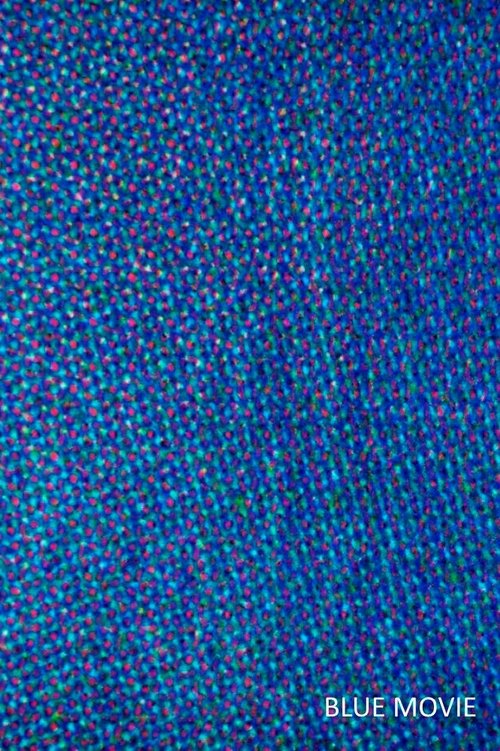
C+M, for YK. Subtractive colour blending is used in an attempt to conjure Yves Klein's 'L'accord bleu (RE 10)', 1960. The limitations imposed by media and technology ensure that my perfect pigment never is, and that what is produced is ephemeral, declarative, and reverent of the impure. Laser printed onto recycled 16mm film in 2014.
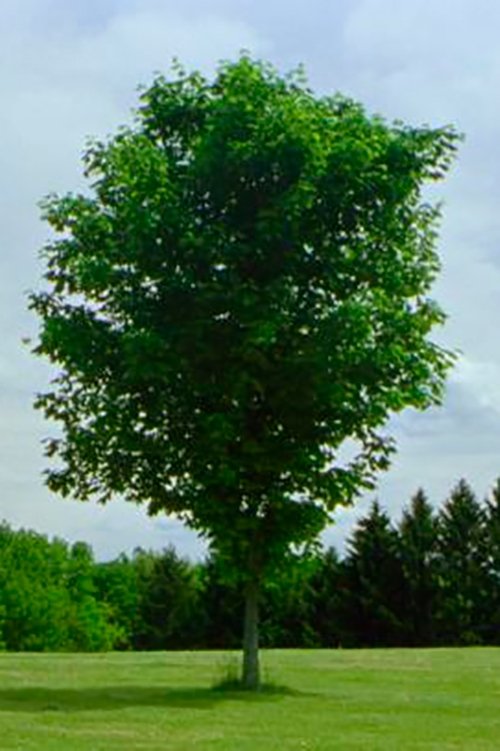
Structural study of a tree. Light, water and air coax it out of the soil in a manner foregrounding time’s relativity to different forms of life on Earth. Made the day my brother got his fork-lift license.
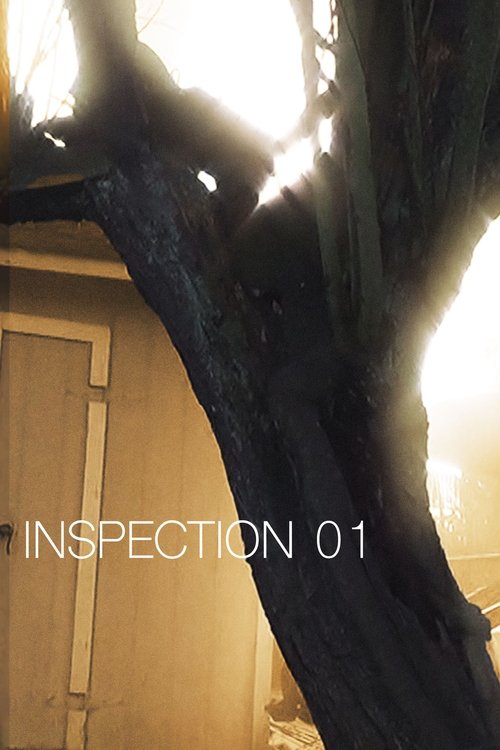
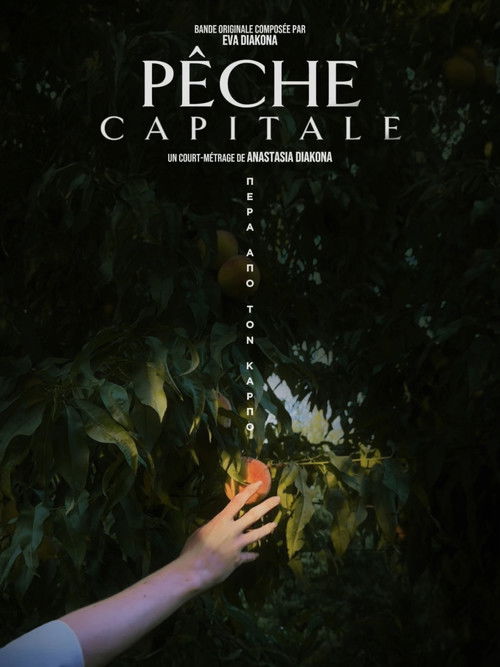
A closeup examination of a tree in the morning light.
An interconnected look at tradition, colonialism, property, faith, and science, as seen through labor practices that link an endangered salamander, mass-produced apples, and the evolving fields of genomics and machine learning.
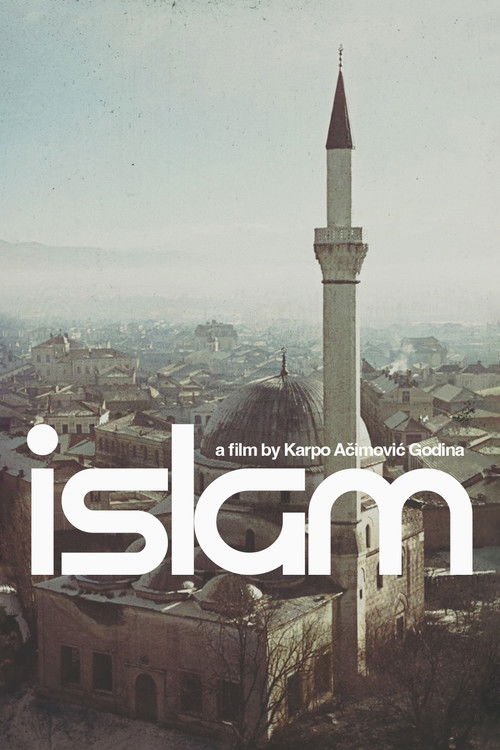
This short film is part of Karpo Aćimović Godina's experimental and documentary work in 1970s Yugoslav cinema. It extends his interest in regional identities, minorities, and the visual traces left by different cultures on Yugoslav territory. The film offers a journey through examples of architecture, decor, and objects related to Islamic tradition in the former Yugoslavia, such as mosques, ornamental elements, and calligraphy. It explores how this art is embedded in the region's history and in the daily lives of the communities that produced it. It is an observational film, without a dramatic plot, functioning primarily as a "visual essay" on the material culture of Islam in a Balkan context. The tone is analytical and contemplative, closer to a cultural study or a poetic inventory.
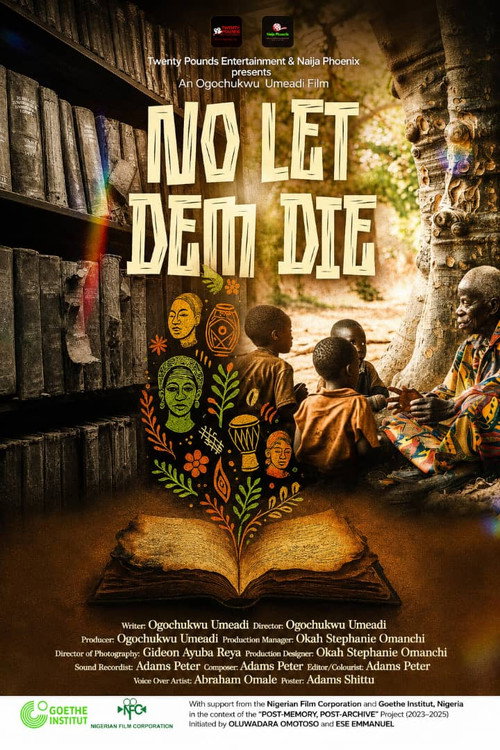
In a nation where books burn and films rot, "No Let Them Die" explores the vibrant yet fragile living archives of Nigeria - preserved through oral traditions, rituals, and everyday practices - when institutional systems fail.
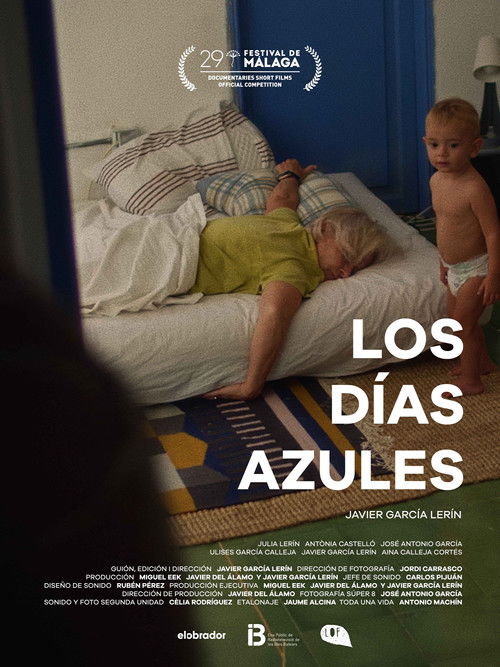
Julia is my mother. She's worked as a hairdresser all her life, but she's retired now. She spends her weekdays cooking and styling her friends' hair; but her greatest dream is taking care of her grandson, my son. He comes to visit us once a week and stays overnight. The morning after one of those nights, my mother tells me she thinks she's had a stroke. I don't know what to say; I hug her. Two weeks later, we shot this film.
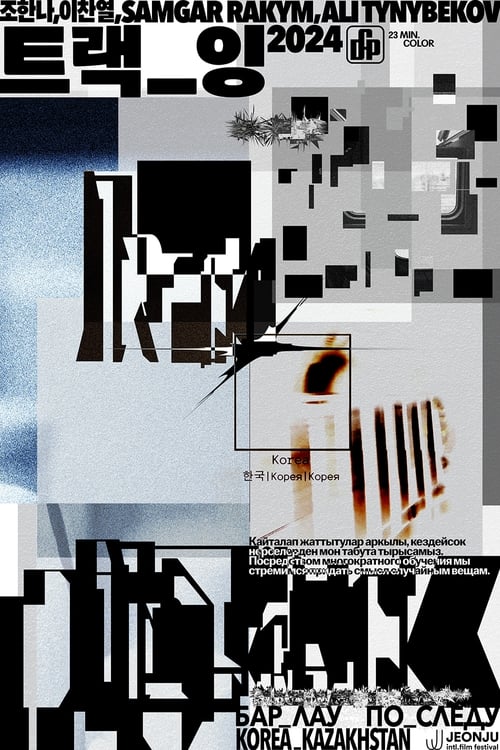
A set of 500*500 pixel boxes analyzes a group of image data produced on a train—a train running between Korea and Kazakhstan. Mostly, the detection process appears to be random. However, despite the incoherency, the boxes can generate an output, a story that can make sense.
An experimental half-documentary half-fiction about a young person’s routine of getting to sleep and waking up.
A monster that lives in the darkest part of the sea, a dreamlike representation of the journey towards the depths of something that one wants to avoid and that is finally faced.
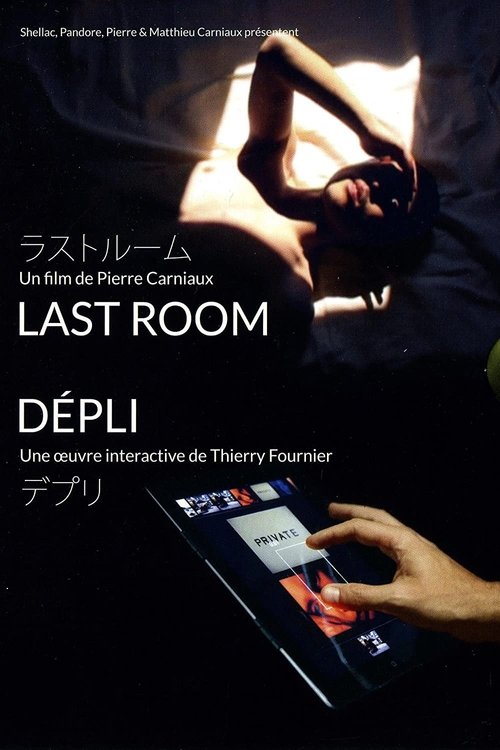
Made in Japan, Last Room is both fiction and documentary. The occupants of the love-hotels and capsule-hotels tell their own intimate, dreamlike stories, interspersed with journeys through the archipelago's landscapes. Soon, these personal stories resonate with a collective history: that of Gunkanjima, the abandoned ghost island of Nagasaki, and then that of Japan as a whole.
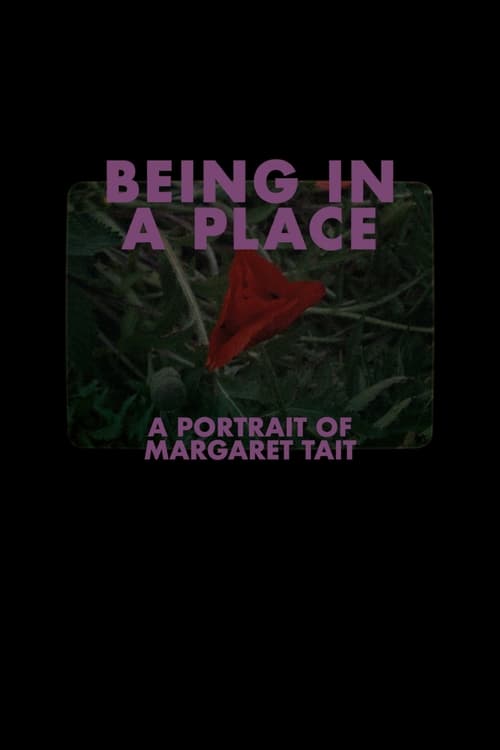
Drawing on a wealth of unseen archival material and unpublished notebooks, the film weaves a complex and personal portrait of Margaret’s life, from the perspective of a fellow artist sensitive to the potential Margaret envisaged for film as a poetic medium.
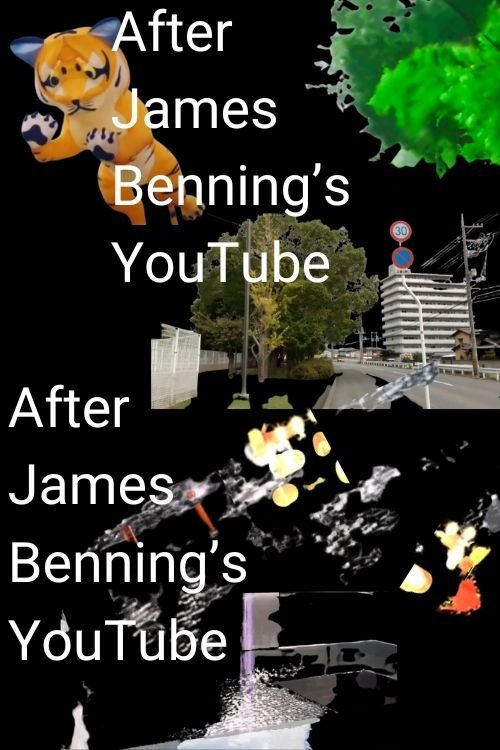
Divided into 26 parts, an attempt to remake James Benning's film, YouTube (2011) with similar internet footage after 13 years.
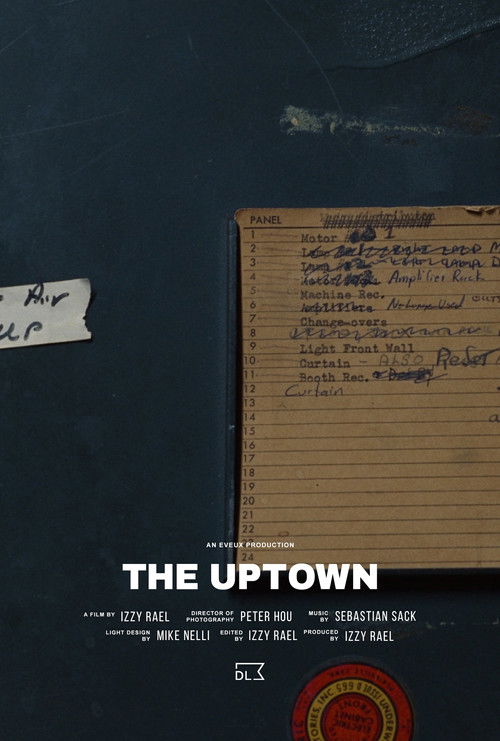
A vacant theater still has “screenings” of its own: apparitions that come to life on a curved screen without anyone to see them, creating spectacular scenes without any projectors at all.
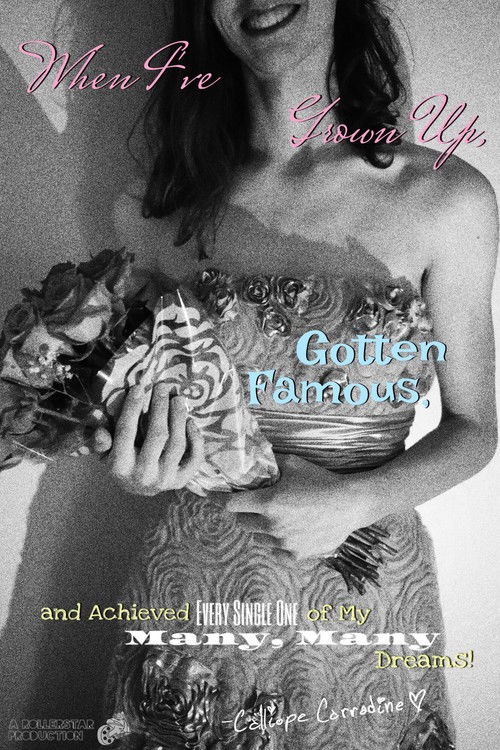
Just thought you should know ... An interview with a famous actress. Beneath all the glitz and glamour, her life may not be so perfect.
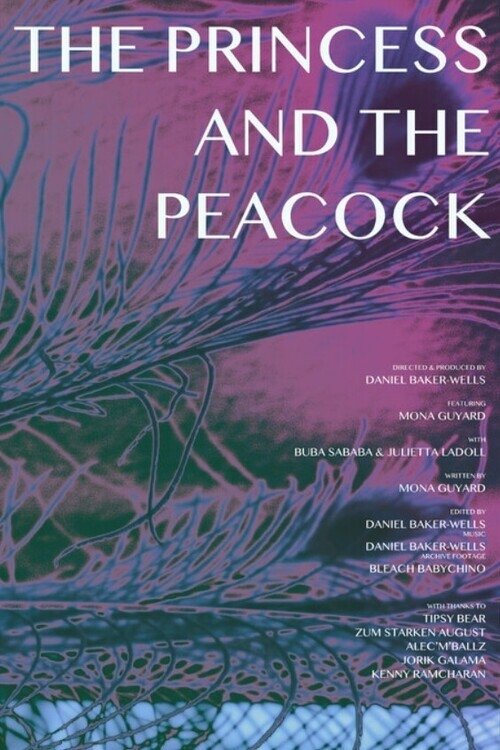
Mona is a 22 year old trans girl from a small village in France. She puts needles attached to peacock feathers in her skin, under bright lights, late at night. She bleeds, half naked, in front of small crowds of people. Sometimes they faint whilst watching her. Why would she do this? How did she learn to do it? And why would someone want to watch?
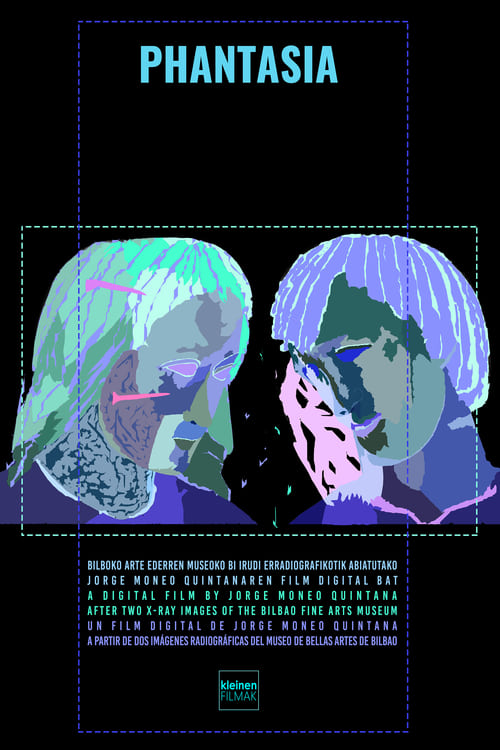
X-ray images were invented in 1895, the same year in which the Lumière brothers presented their respective invention in what today is considered to be the first cinema screening. Thus, both cinema and radiography fall within the scopic regime inaugurated by modernity. The use of X-rays on two sculptures from the Bilbao Fine Arts Museum generates images that reveal certain elements of them that would otherwise be invisible to our eyes. These images, despite being generally created for technical or scientific purposes, seem to produce a certain form of 'photogénie': they lend the radiographed objects a new appearance that lies somewhere between the material and the ethereal, endowing them with a vaporous and spectral quality. It is not by chance that physics and phantasmagoria share the term 'spectrum' in their vocabulary.