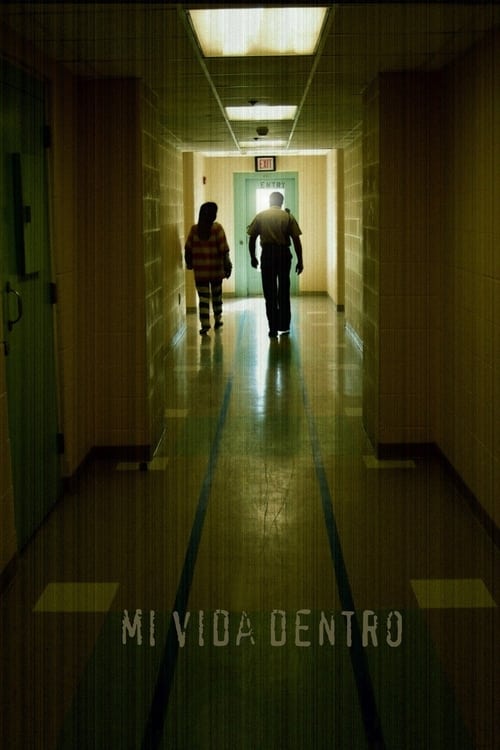
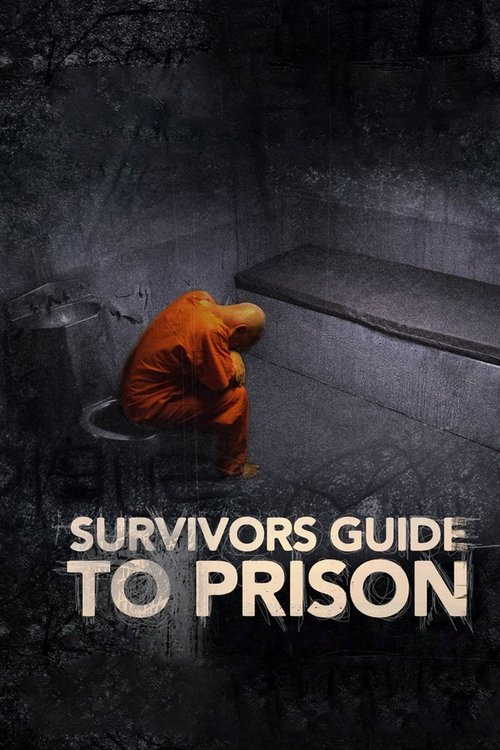
For three months, the journalist Jesús Quintero visits more than thirty prisons and interviews more than a hundred prisoners in order to discover what life is like for those who live in them.
Jesus Quintero
as Himself
The Big One is an investigative documentary from director Michael Moore who goes around the country asking why big American corporations produce their product abroad where labor is cheaper while so many Americans are unemployed, losing their jobs, and would happily be hired by such companies as Nike.
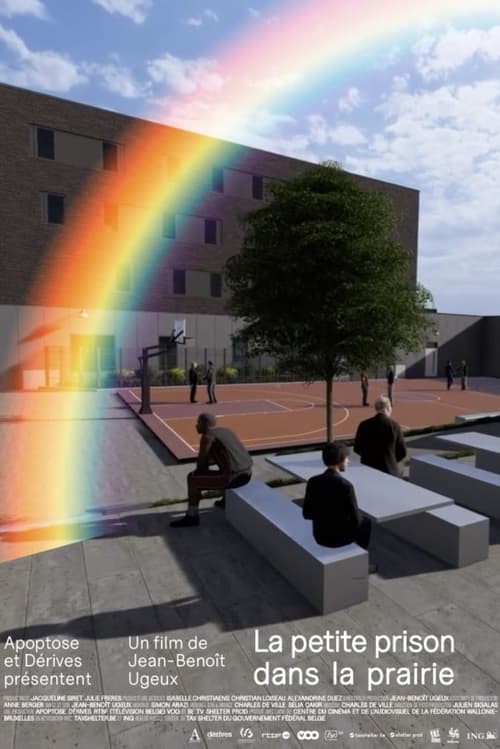
Since November 2022, the Brussels prisons of Saint-Gilles, Forest and Berkendael have been moving to the brand-new "prison village" of Haren, on the outskirts of Brussels. An ultra-modern, ultra-secure, semi-private prison. But why build new prisons in the first place?
Rosa is a Mexican woman who, at the age of 17, migrated illegally to Austin, Texas. Some years later, she was jailed under suspicion of murder and then taken to trial. This film demonstrates how the judicial process, the verdict, the separation from her family, and the helplessness of being imprisoned in a foreign country make Rosa’s story an example of the hard life of Mexican migrants in the United States.
Errol Morris examines the incidents of abuse and torture of suspected terrorists at the hands of U.S. forces at the Abu Ghraib prison.
An inside look at the notorious Sing Sing Correctional Facility, where one of the U.S.’s only in-prison college programs, Hudson Link, offers long-time inmates an education – and a new lease on life.
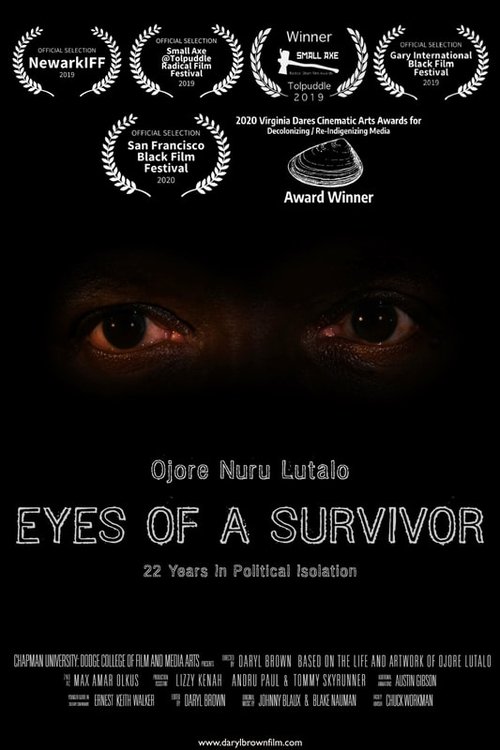
An experimental intake of Ojore Nuru Lutalo as he recounts the 22 years he spent in political isolation, and the flourishing comradery he built with prison abolitionist, Bonnie Kerness, whose work supported him and other prisoners.
An absurd game of “finding happiness” is being played by local Latvian coyotes* and illegal immigrants on the Russian and the European Union border. It is a game with no winner – all participants are driven to play by the sense of despair. While one side leaves home and undertakes a perilous journey to the other side of the globe, hoping to spend the rest of their lives in a free country, the other side risks their freedom to earn a chance to stay right where they are, in their homeland. *coyote – someone who smuggles illegal immigrants
Chennu committed his first crime when he was 15 years old: being a street kid. And he entered hell: Pademba Road. The adult prison in Freetown. In hell, Mr. Sillah is in charge, and there is no hope. Chennu got out after four years. Now he wants to go back.
Survivors of violent crimes and prisoners incarcerated for murder connect to undergo astonishing transformations, liberating themselves from the debilitating constraints of trauma, and shattering preconceptions of "us and them."
During the most celebrated cultural event on the island of Guam, USA (the annual Liberation Day Parade), a group of brave and determined youth come together to effect policy change on the use of alcohol and tobacco signage island-wide.
The Stanford prison experiment was a landmark psychological study of the human response to captivity, in particular, to the real world circumstances of prison life, and the effects of imposed social roles on behaviour. It was conducted in 1971 by a team of researchers led by Philip Zimbardo of Stanford University.
A group of women prisoners have signed up to foster retired racing greyhounds and get them ready for adoption. The prisoners have just eight weeks to transform the dogs into family pets, or the dogs could be euthanised.
British documentarian Nick Broomfield creates a follow-up piece to his 1992 documentary of the serial killer Aileen Wuornos, a highway prostitute who was convicted of killing six men in Florida between 1989 and 1990. Interviewing an increasingly mentally unstable Wuornos, Broomfield captures the distorted mind of a murderer whom the state of Florida deems of sound mind -- and therefore fit to execute. Throughout the film, Broomfield includes footage of his testimony at Wuornos' trial.
In the documentary Last To Know political prisoners, sent to jail for openly opposing the East German regime that existed until the German reunification in 1990, talk about their times of trial and their lives today. Neither they, nor their families have come to terms with what happened.