The first film to be shot in Basque language, produced in 1956 by general André Madré. It was discovered by the filmmaker and researcher Josu Martinez, without its soundtrack.

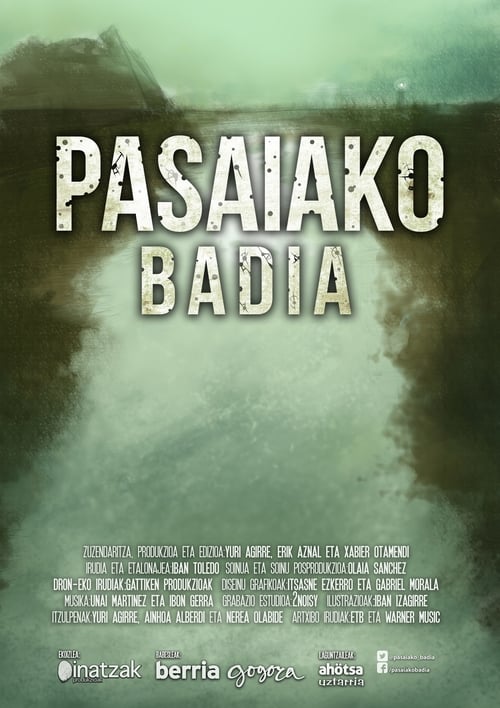
160 meters is the distance between the two banks of the estuary of Bilbao. An economic, social and cultural approach at two ways of looking at life.
Spanish police killed four members of the Autonomous Anticapitalist Commandos in 1985. This documentary provides a narration of the murder that the State of Spain has tried to hide. There are several testimonies of family members, witnesses and experts.
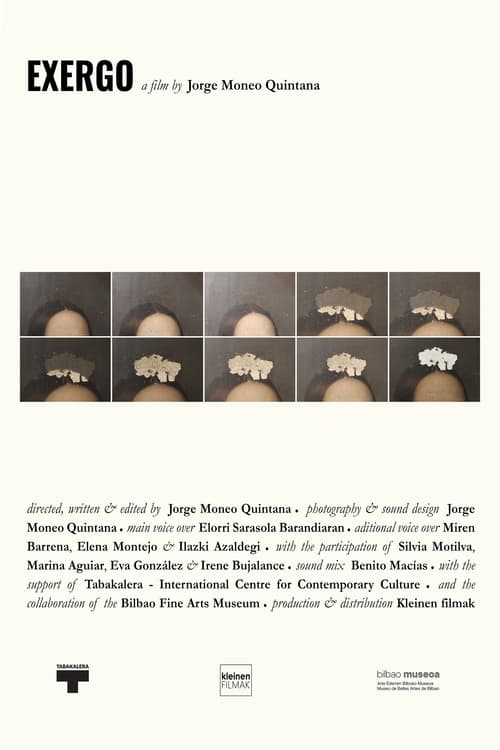
Departing from peripheral details of some paintings of the Bilbao Fine Arts Museum, a female narrator unravels several stories related to the economic, social and psychological conditions of past and current artists.
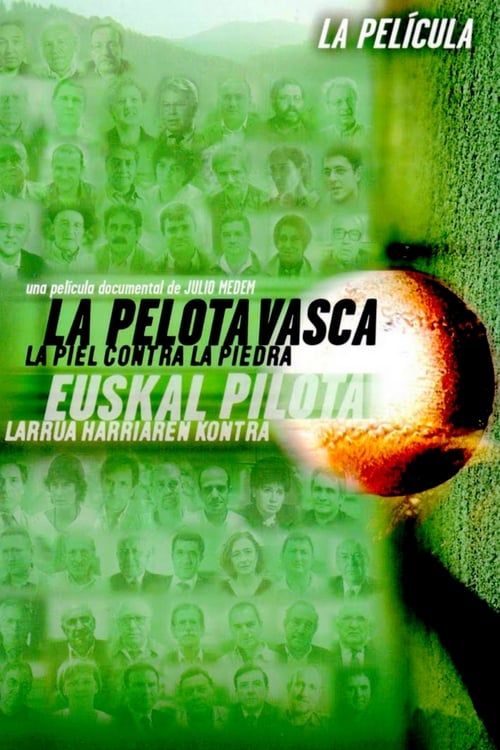
An attempt to create a bridge between the different political positions that coexist, sometimes violently, in the Basque Country, in northern Spain.
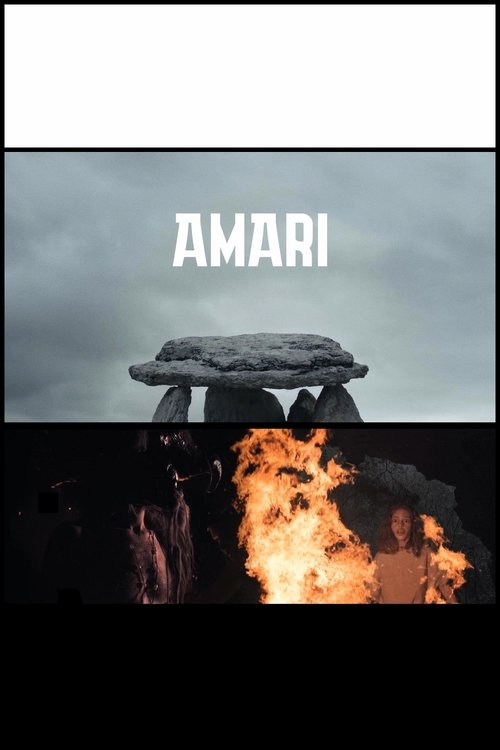
A documentary, filmed entirely in the Basque Country, about Basque mythology and the ancestral beliefs of its people. Created by writer Toti Martínez de Lezea and anthropologist Anuntxi Arana, Amari immerses us in a world of legends full of supernatural beings that formed and continue to form part of the Basque people's imagination.
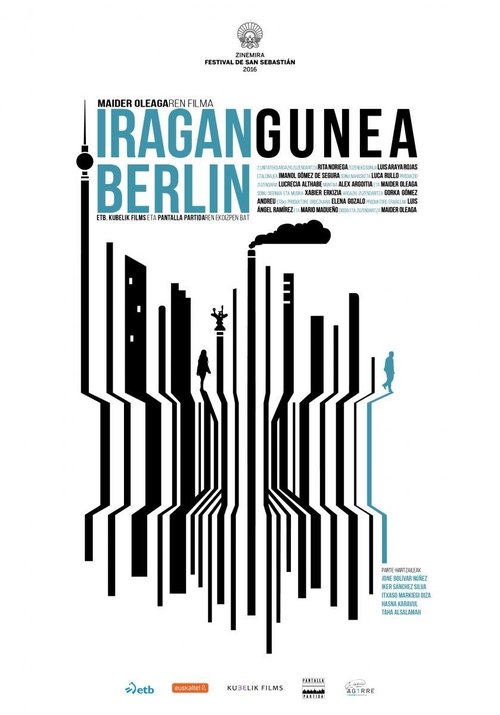
The film follows five people from different origins as they move anonymously around the streets of Berlin. Each of them with another life somewhere else, trying to ascertain where to go.
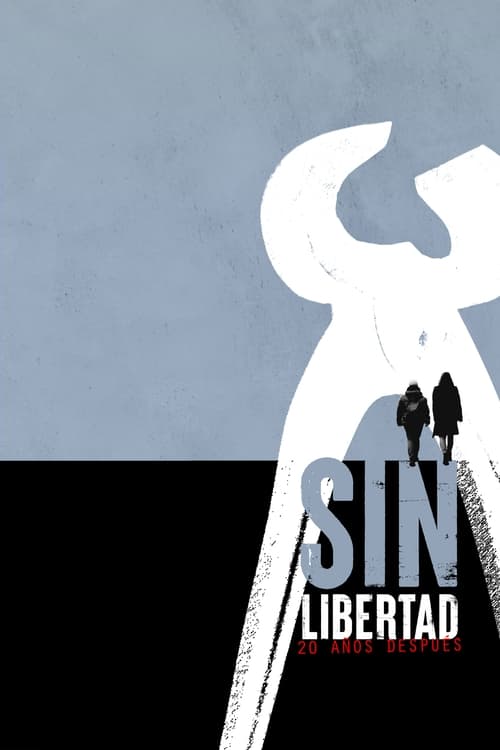
This documentary updates the life experiences of victims of ETA terrorist activity, twenty years after the multi-award-winning documentary Sin libertad (Without Freedom, 2001). With an experimental intent, it seeks to link the present and the future through five young journalism students in their twenties who have not experienced ETA terrorism and are responsible for interviewing the victims.
Not unlike the travel blogs so in vogue today, this film takes us from Ereaga beach to Cape Matxitxako, treating us to an incomparable look at the beaches and towns on the way.
Spain, 1997. The story of twelve days in July during which Basque society left indifference and fear behind and faced the threat of the terrorist group ETA.
The abject crimes of the terrorist gang ETA have marked the lives of many Spaniards; men, women and children who were silenced, harassed, persecuted, finally murdered. Thirteen stories, thirteen tragedies, just thirteen among thousands.
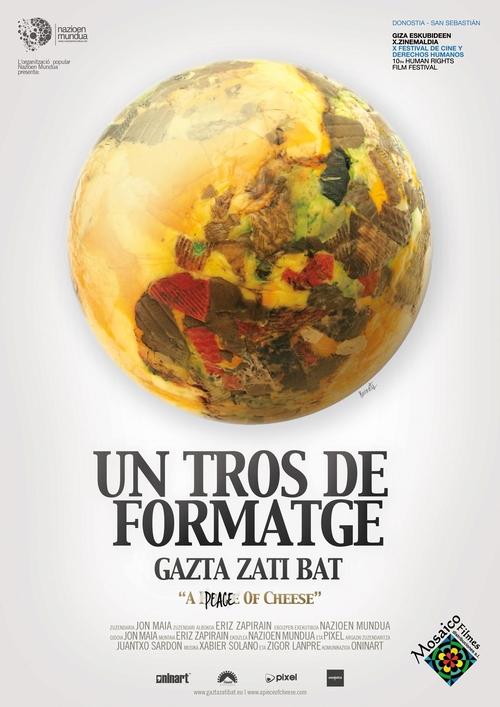
This story begins in a small town in Euskal Herria known worldwide for its cheese. The inhabitants of this town put aside the differences created by the recent armed conflict in Europe to carry out a mission: to choose what to be in the world. This adventure will take them to witness the historic events of two nations that will be news in Europe: Scotland and Euskal Herria. A great story written in small print. A documentary of the new era that makes us look to the future
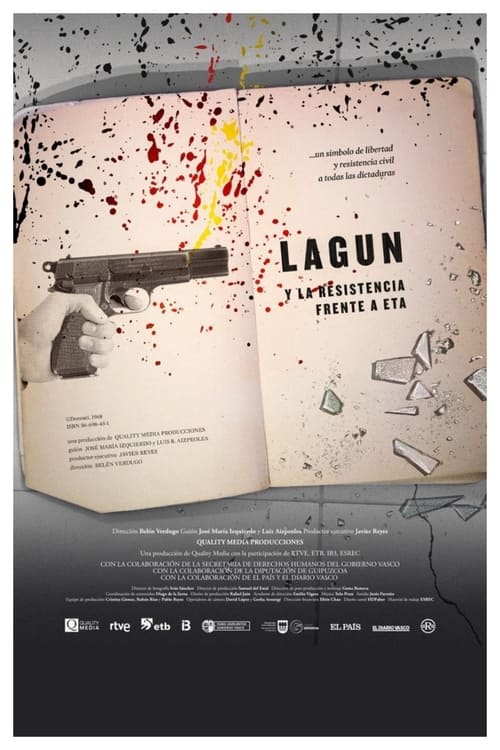
The turbulent story of the Lagun bookstore — located in San Sebastián, in the Basque Country, Spain — is a powerful tale of courage, resistance and struggle; first against the Franco dictatorship, then against the terrorist gang ETA and its numerous and sinister acolytes.
Basque Country, Spain. No one seems to know them. Some glances avoid theirs. Their social circle becomes smaller and smaller. They live under escort, watched by those who protect them and by those who threaten them: it is the experience of living in the shadow of ETA, a savage terrorist gang of unscrupulous criminals… of merely existing under the yoke of those who tomorrow could be their executioners.
Donostia-San Sebastián, Basque Country, Spain, 2011. Maider, a filmmaker, moves to the very same flat where pedadogist Elbira Zipitria Irastorza (1906-1982) clandestinely established the first ikastola, a Basque school, under the harsh regime of dictator Francisco Franco. Despite of her pioneering work, developed throughout thirty years, her story is not well known, so Maider, intrigued, begins to research…
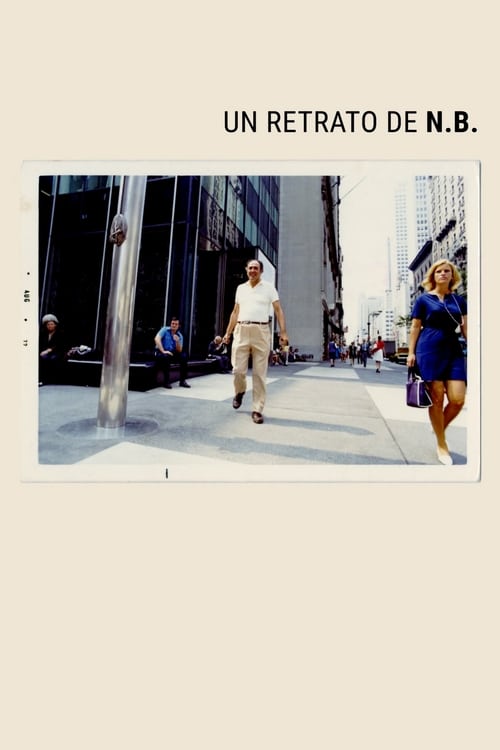
Through his own photographs, the Basque artist Néstor Basterretxea (1924-2014) is portrayed by the art critic and exhibition curator Peio Aguirre, a great connoisseur of his work and personal archives.
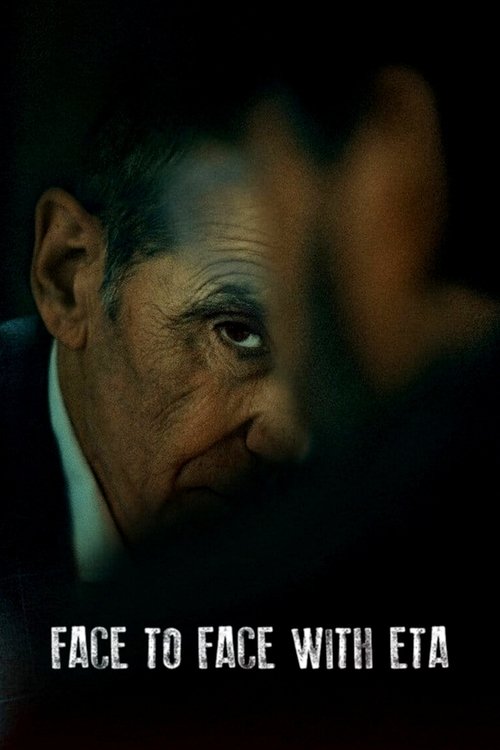
An in-depth interview with José Antonio Urrutikoetxea, known as Josu Ternera, one of the most relevant leaders of the terrorist gang ETA.
The film starts in Bermeo and ends in Gernika. A magical trip taking us from the scent of salt air and the fishing atmosphere of Bermeo port to the roots of the Tree of Gernika.
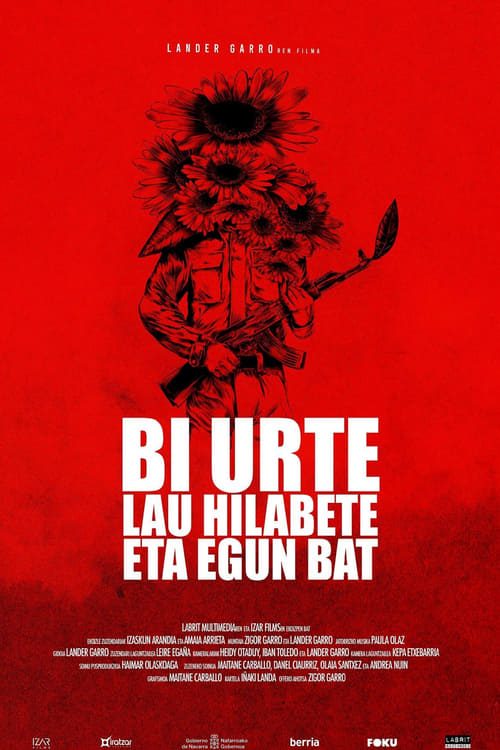
The documentary tells the story of six friends who fought against compulsory military service in the Basque Country. They were all imprisoned for refusing to perform military service, and they all preferred prison to the army. They showed great courage and stubbornness, until they managed to win the antimilitarist struggle against the Spanish State.
The personal stories lived by the Uncle, the Father and the Son, respectively, form a tragic experience that is drawn along a line in time. This line is comparable to a crease in the pages of the family album, but also to a crack in the walls of the paternal house. It resembles the open wound created when drilling into a mountain, but also a scar in the collective imaginary of a society, where the idea of salvation finds its tragic destiny in the political struggle. What is at the end of that line? Will old war songs be enough to circumvent that destiny?
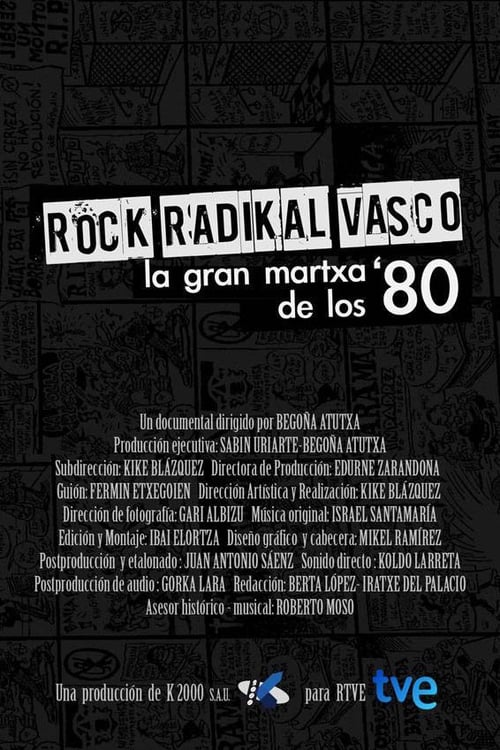
In this documentary, we travel to the main locations where the musical movement known as "Basque Radical Rock" exploded, emerging in the Basque Country and Navarre in the 1980s. It recalls bands from that era, such as Cicatriz, Zarama, RIP, Eskorbuto, and Kortatu, and interviews some of its leading figures.