A documentary that captures the loss of Athensβ neoclassical houses, portraying a city caught between its past identity and modern transformation.
Nikos Grammatikopoulos
as Self - Main Narrator (voice)

Kostas Vrettos
as Self - Narrator (voice)
'Man, a being in search of meaning' we experience the fear, adrenaline and power of an Olympic cyclist going into battle on the world stage.
Alan Sinclair aspires to be a human popsicle, literally. For this film is about the weird and wacky world of cryonics. Instead of burial or cremation get yourself put in a freezer, wait a few hundred years, get defrosted and off you go. Just keep your fingers crossed there's not a power cut.
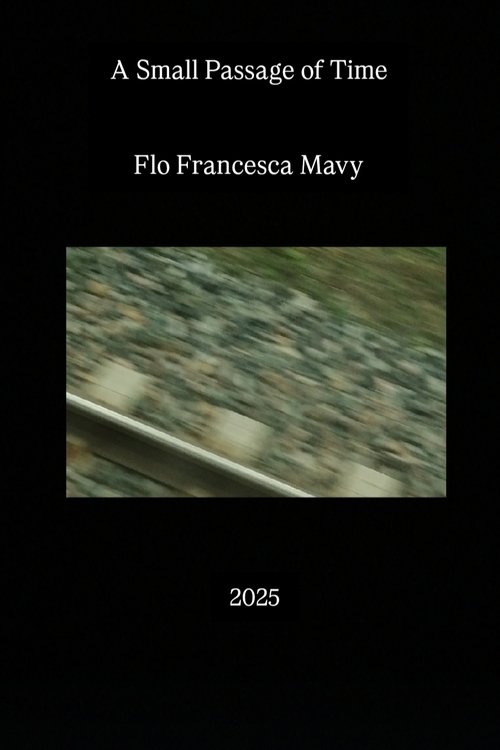
An experiment with three dimensions in a moment of clarity: the focus of the camera's lens towards the present, the speed of the train and the material world distorted by the movements of the train.
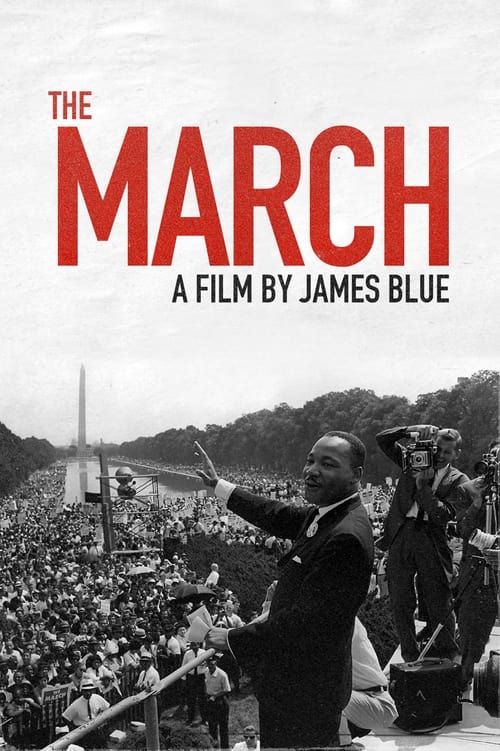
The March, also known as The March to Washington, is a 1964 documentary film by James Blue about the 1963 civil rights March on Washington. It was made for the Motion Picture Service unit of the United States Information Agency for use outside the United States β the 1948 Smith-Mundt Act prevented USIA films from being shown domestically without a special act of Congress. In 1990 Congress authorized these films to be shown in the U.S. twelve years after their initial release. In 2008, the film was selected for preservation in the United States National Film Registry by the Library of Congress as being "culturally, historically, or aesthetically significant". (Wikipedia)
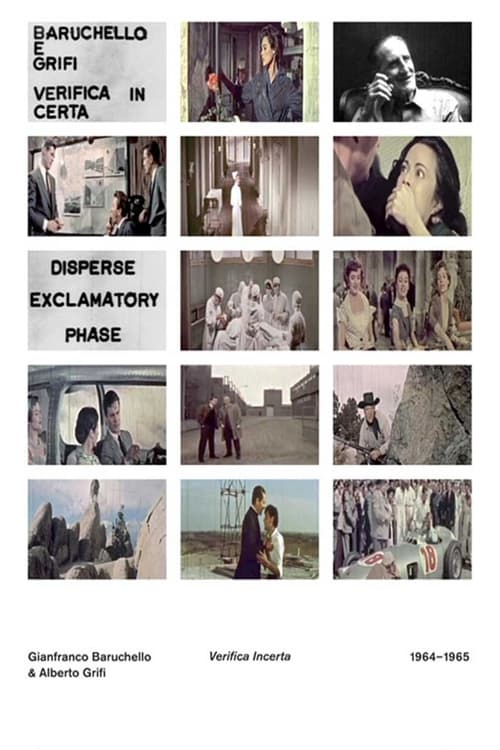
A short film containing a collection of clips from various Hollywood movies.
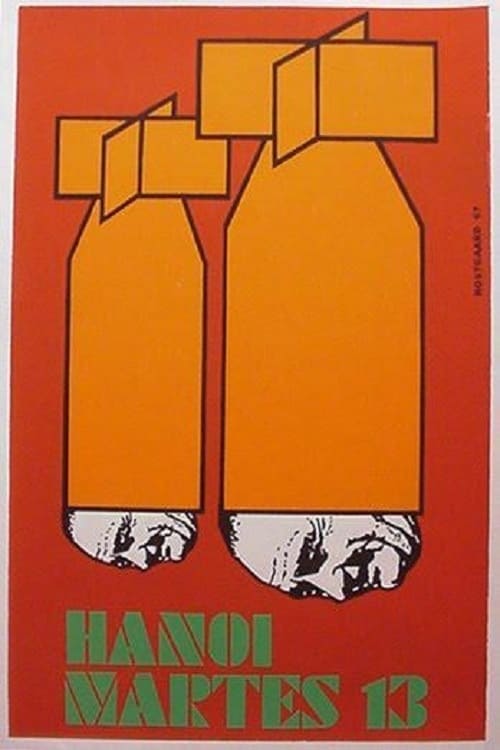
In December 1967, a Cuban film crew led by Santiago Alvarez, the veteran polemicist, travelled to Hanoi. They shot the footage which constitutes this short documentary all in one day - Tuesday 13. The film is the story of that day and what happened to the North Vietnamese people in the course of it.
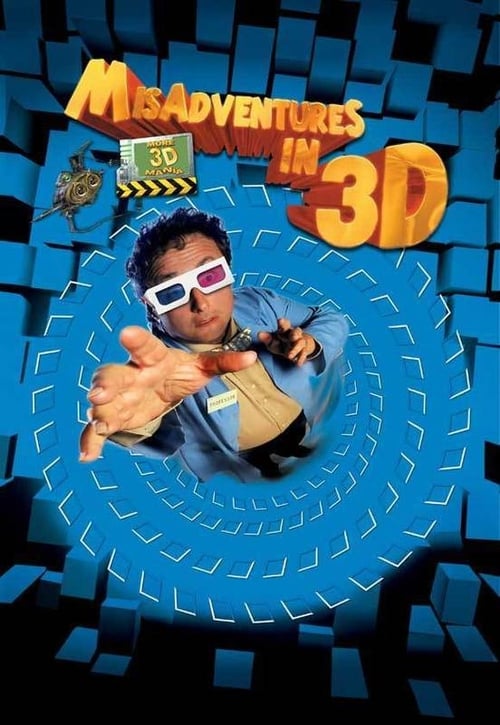
The wrong place. The wrong time. The wrong dimension.
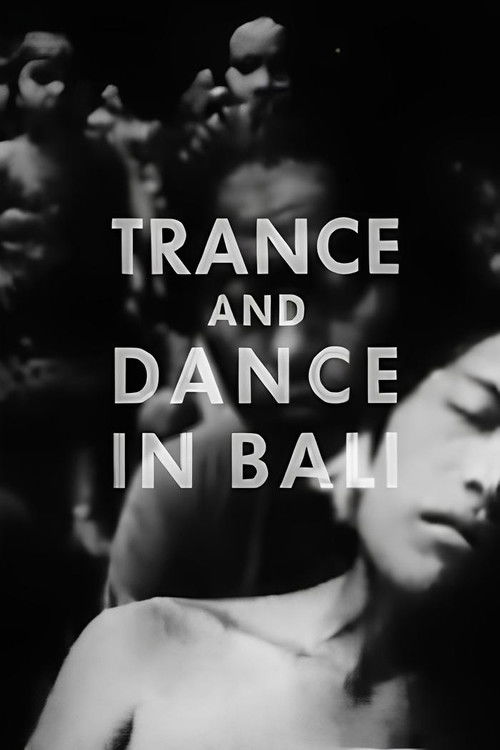
Filmed in Bali in 1937 and released in 1952, this short documentary records a staged performance of the Kris Dance, documenting trance, ritual possession, and ceremonial movement within Balinese religious practice.
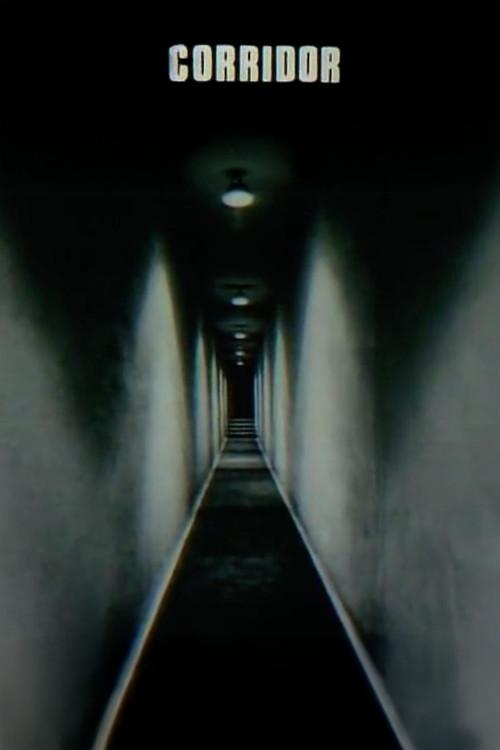
An unknown observer is seen traveling through a bleak corridor. At the end of the corridor they see a naked woman, whom they are unable to reach as their trip seems to become increasingly twisted and looped.
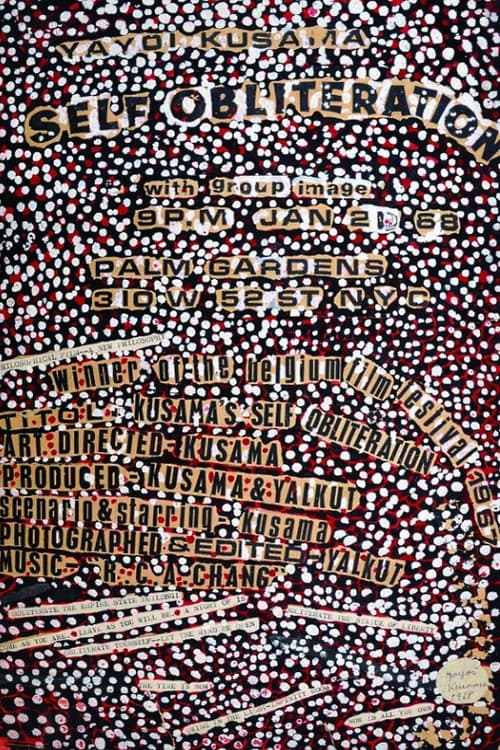
A film exploration of the work and aesthetic concepts of Yayoi Kusama, painter, sculptor, and environmentalist, conceived in terms of an intense emotional experience with metaphysical overtones, an extension of my ultimate interest in a total fusion of the arts in a spirit of mutual collaboration. βJud Yalkut
"Labyrinth" is a groundbreaking multi-screen 45-minute presentation produced for Chamber III of the Labyrinth at Expo 67 in Montreal, using 35 mm and 70 mm film projected simultaneously on multiple screens. A film without commentary in which multiple images, sometimes complementary, sometimes contrasting, draw the viewer through the different stages of a labyrinth. The tone of the film moves from great joy to wrenching sorrow; from stark simplicity to ceremonial pomp. It is life as it is lived by the people of the world, each one, as the film suggests, in a personal labyrinth. Re-released in 1979 as "In the Labyrinth" by the National Film Board of Canada in a 21-minute single projection format.
An ostrich pulls a cart carrying young women wearing ostrich-feather hats.
A male lion, right next to bars that are about 6 or 8 inches apart, keenly watches a uniformed zoo attendant toss small morsels of food into the cage. The lion alternates between finding the food on the cage floor and reaching through the bars to swipe at the man, who stays alarmingly close to the beast. In the background are the large rocks and brick wall at the back of the lion's habitat.