At just 17 years old, Eduardo Madina and Borja Semper decided to enter politics to defend freedom of thought in the Basque Country. This made them a target of the ETA terrorist group for almost two decades.
Eduardo Madina
as
Borja Sémper
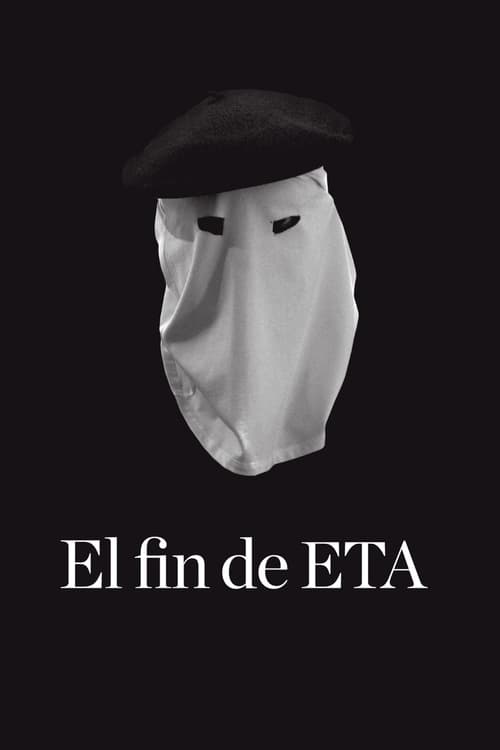
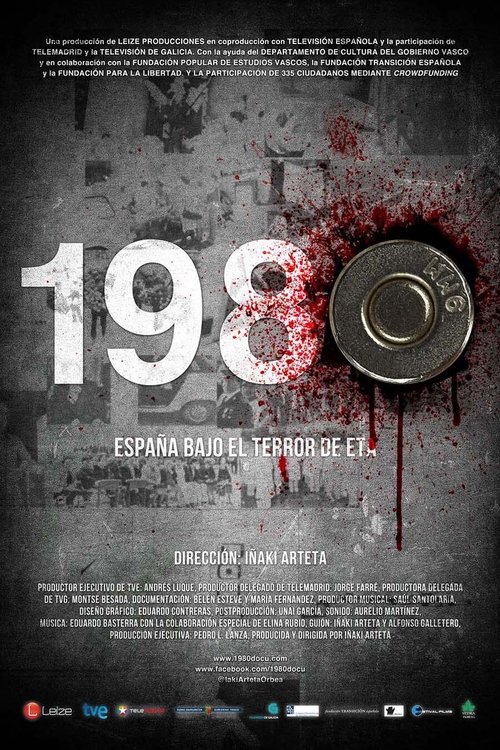
The chronicle of the process, ten long years, that led to the end of ETA (Euskadi Ta Askatasuna), a Basque terrorist gang that perpetrated robberies, kidnappings and murders in Spain and the French Basque Country for more than fifty years. Almost 1,000 people died, but others are still alive to tell the story of how the nightmare finally ended.
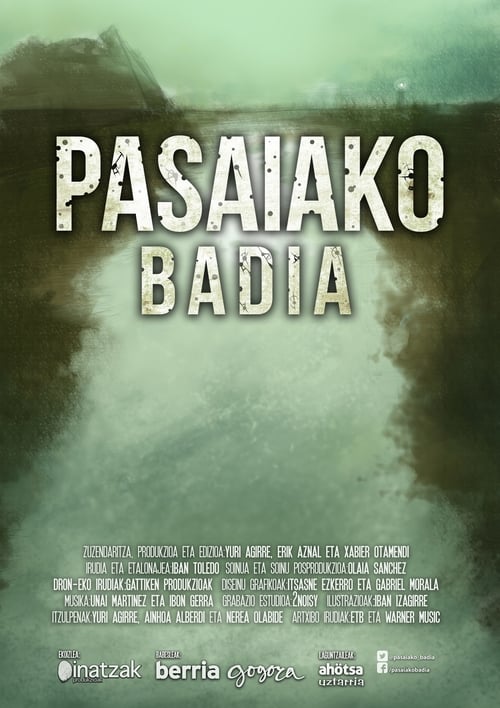
160 meters is the distance between the two banks of the estuary of Bilbao. An economic, social and cultural approach at two ways of looking at life.
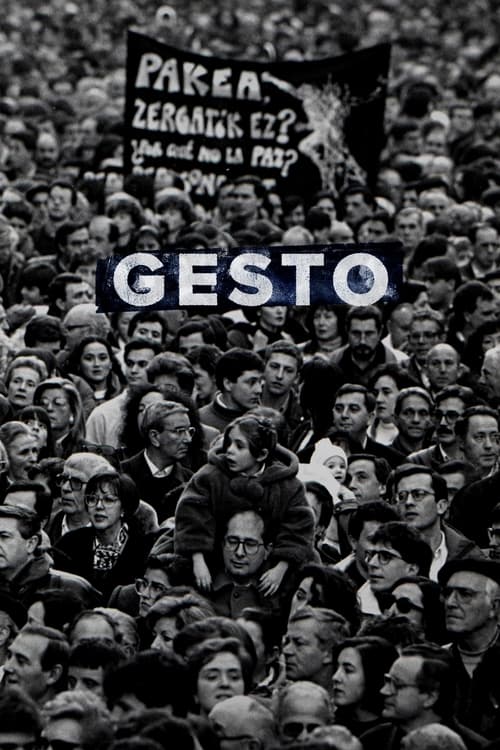
The history of the citizens' movement that for thirty years worked hard to overcome fear, fight hatred and eradicate the violence exercised by the savage terrorist gang ETA, both in the Basque Country and in the rest of Spain.
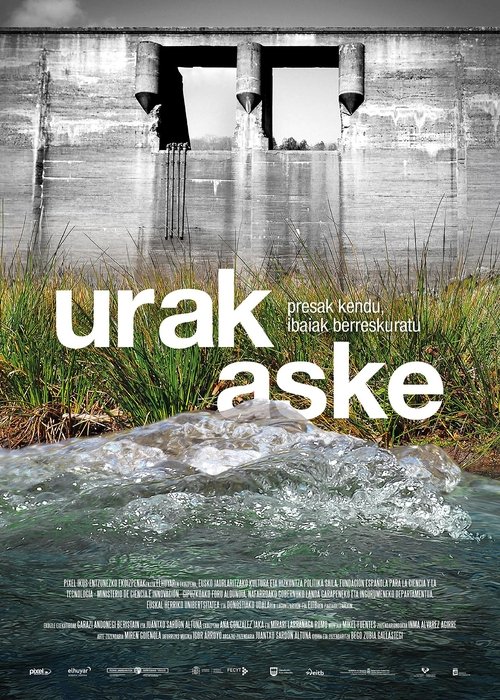
Draining two million cubic meters of water to protect a small animal in danger of extinction. This has been the task of those who have worked to remove the Enobieta reservoir and ensure a safe haven for the Pyrenean desman. This amazing story took place in Artikutza, the estate that San Sebastián bought in Navarre a century ago and which is now one of the best-preserved natural sites on the Cantabrian coast. In Normandy, meanwhile, the large Vezins dam has been removed. Its demolition will allow salmon to return to the Sélune River. Abandoned dams on rivers are barriers to biodiversity, and their demolition allows us to imagine a more habitable planet. That future will depend on small gestures, or large ones, such as those in Vezins and Enobia.
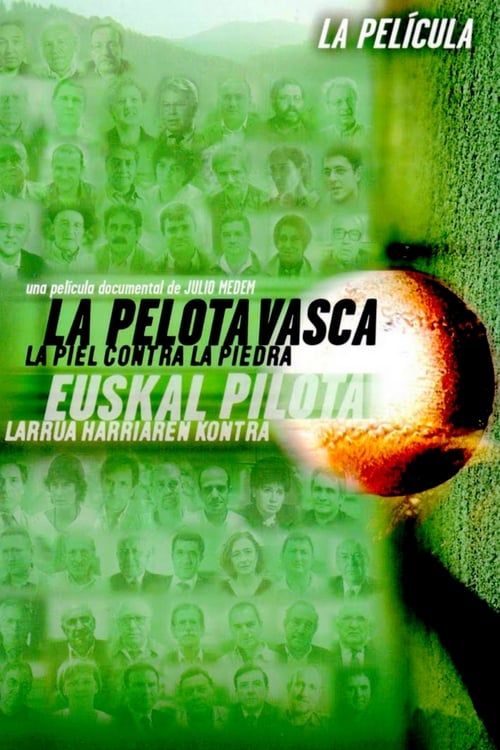
An attempt to create a bridge between the different political positions that coexist, sometimes violently, in the Basque Country, in northern Spain.
Pilot chapter of the film series 'Ikuska', a compilation of shorts on the Basque Country’s culture and politics. A documentary about the referendum on the Spanish constitution.
Ane, daughter of two members of the terrorist gang ETA, born in prison, and a film student, embarks on a search for her own identity, lost between collective memory and personal experience.
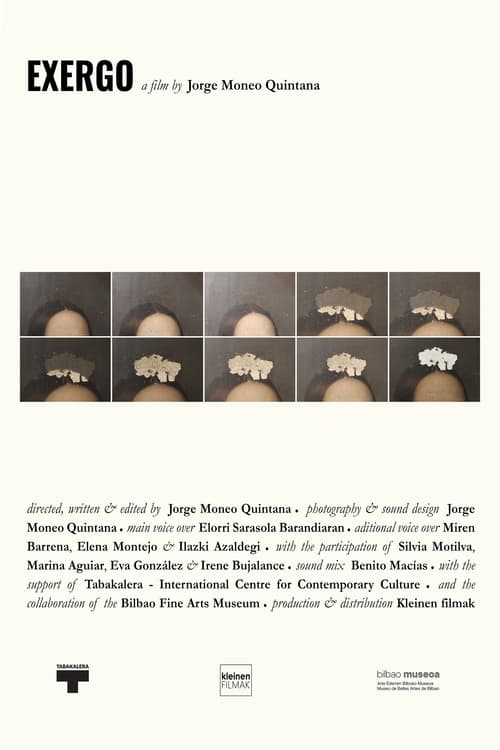
Departing from peripheral details of some paintings of the Bilbao Fine Arts Museum, a female narrator unravels several stories related to the economic, social and psychological conditions of past and current artists.
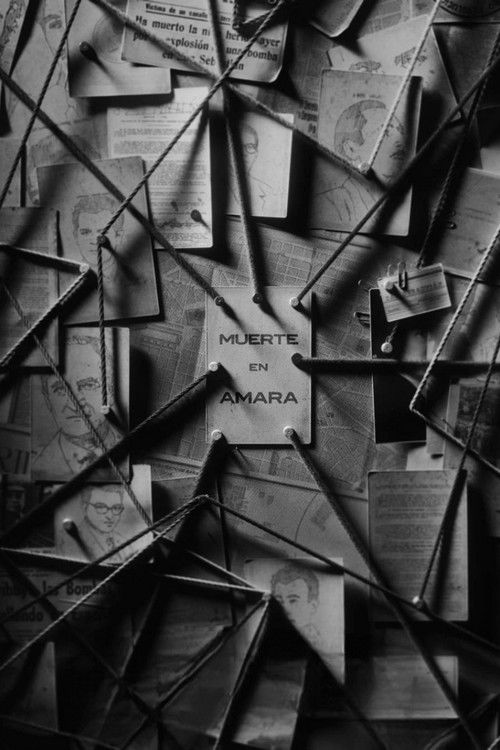
San Sebastian, Basque Country, Spain, June 27, 1960. A bomb explodes at the Amara train station. Begoña, a child of only twenty months, dies a few hours later as a result of the injuries sustained in the attack.
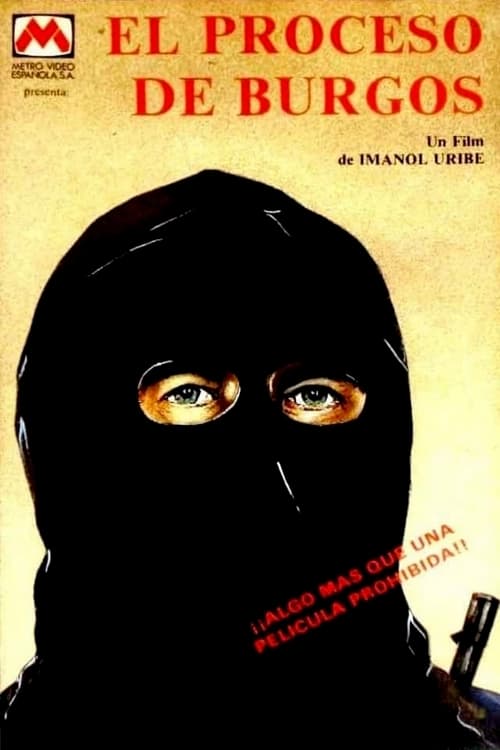
Documentary about the court martial held following the assassination of Melitón Manzanas, commissioner of the Political-Social Brigade of Guipúzcoa, in an attack carried out by ETA on August 2, 1968. The film includes a series of interviews and testimonies from those imprisoned and prosecuted in that court martial. Following the attack, a state of emergency was declared in Guipúzcoa and hundreds of people were arrested.
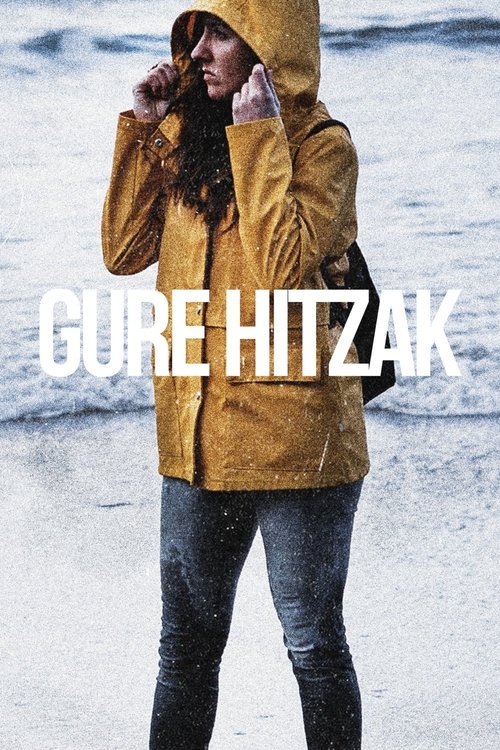
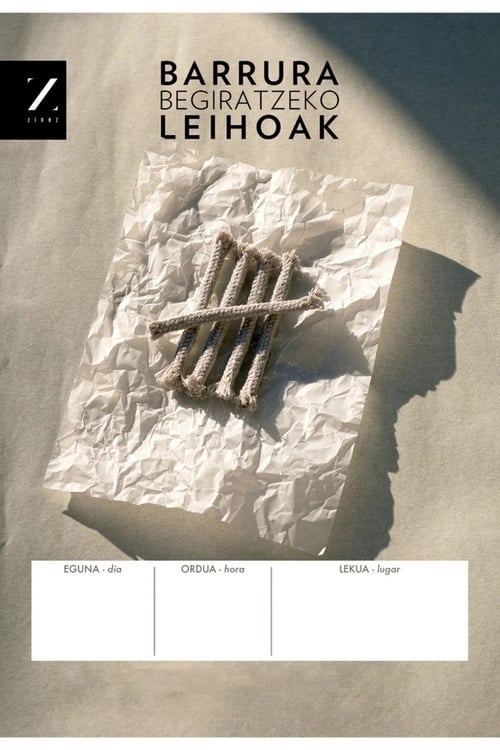
Five directors portray five Basque political prisoners. A young woman counts the days remaining before she is arrested. A man returns to society after 17 years in prison. A mother records every phone conversation she had with her imprisoned daughter on 125 cassette tapes. An intellect and professor of journalism tries to find himself from the solitude of his cell. And a former ETA leader reconnects with a close friend from his youth, now a filmmaker. 'Windows Looking Inward' gives a brief insight into the lives of the people behind the bars, behind the events, behind the headlines.
"Look for the part that's missing from this book; there, somewhere in your house it's kept. I've tried to walk as far as halfway between you and I; I can't carry on. The respect I bear for what's yours does not let me go any further", Joxean Artze.
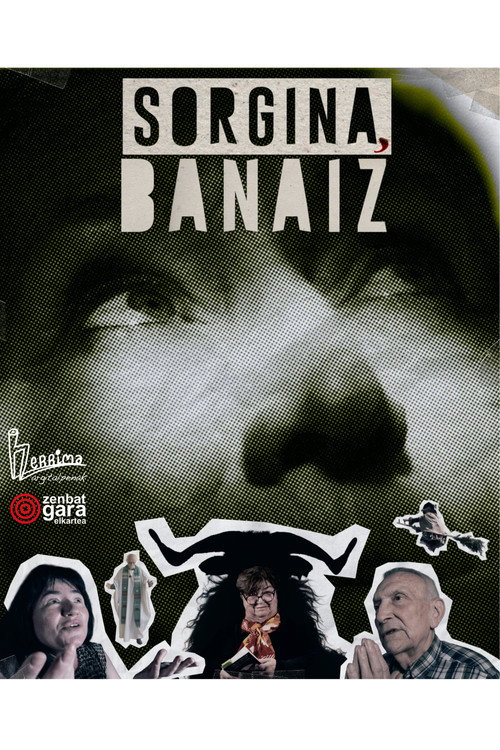
The massacre occurred 500 years ago. In 1525, the Spanish Royal Council ordered the execution of five members of a cult recently discovered in the Pyrenees. This event marked the beginning of a relentless, century-long prosecution against Basque witchcraft, which exhibited all the hallmarks of the great European witch hunts, including an unstable border between powerful nations, revolts against the lords, raging misogyny, confessions obtained under torture, and mass accusations. These past five centuries, only one account has been heard: that of the inquisitors and jurists, the same ones who invented the myth of flying witches who met with the devil at sabbats to plot their crimes.
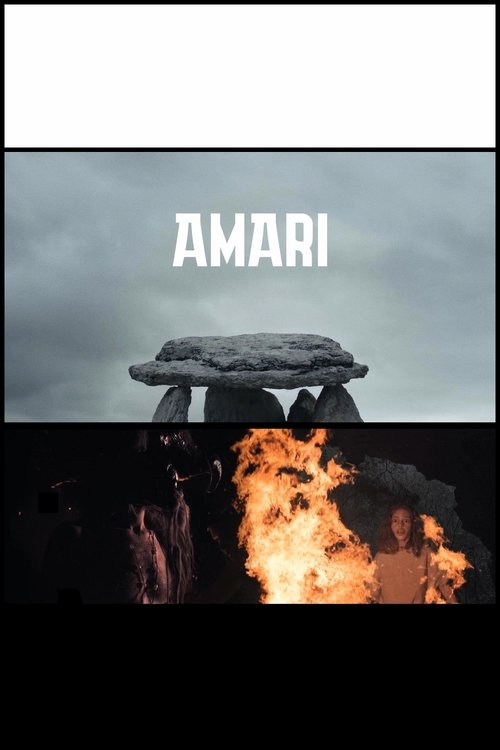
A documentary, filmed entirely in the Basque Country, about Basque mythology and the ancestral beliefs of its people. Created by writer Toti Martínez de Lezea and anthropologist Anuntxi Arana, Amari immerses us in a world of legends full of supernatural beings that formed and continue to form part of the Basque people's imagination.
Spanish police killed four members of the Autonomous Anticapitalist Commandos in 1985. This documentary provides a narration of the murder that the State of Spain has tried to hide. There are several testimonies of family members, witnesses and experts.
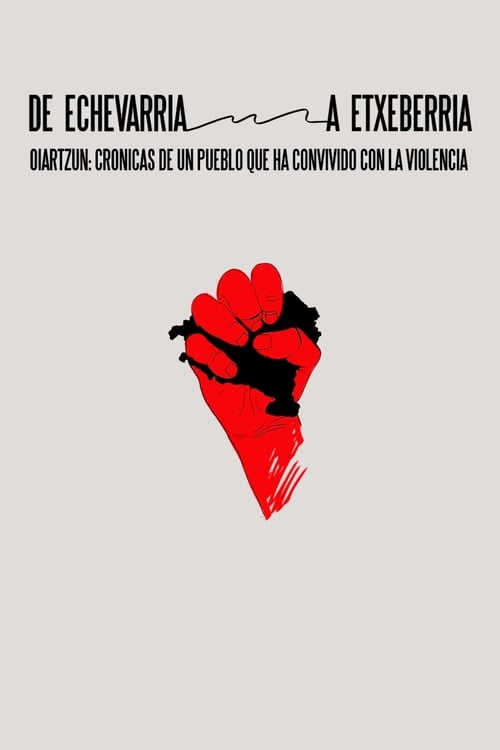
An in-depth investigation into how violence, any kind of violence, has affected and is affecting the inhabitants of Oiartzun, in Guipúzcoa, Basque Country, Spain, where Basque nationalism, the abertzale left and the atrocious terrorism of the criminal gang ETA have cursed and destroyed lives for decades…
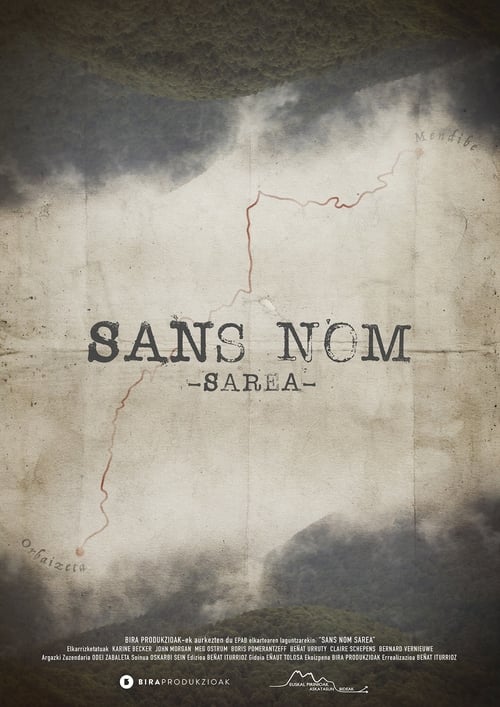
In 1942, in the midst of World War II, Nazi Germany occupied France. The Resistance launched numerous escape networks to help people escape from Nazi to the allied Europe. Among them there was the network of escapes that acted in secret between Mendibe-Orbaizeta, a network so secret that it did not even have a name. Spies, clandestine networks, smuggling, solidarity, resistance, hope... All this and more is the documentary 'Sans nom sarea' (Sans Nom Network).