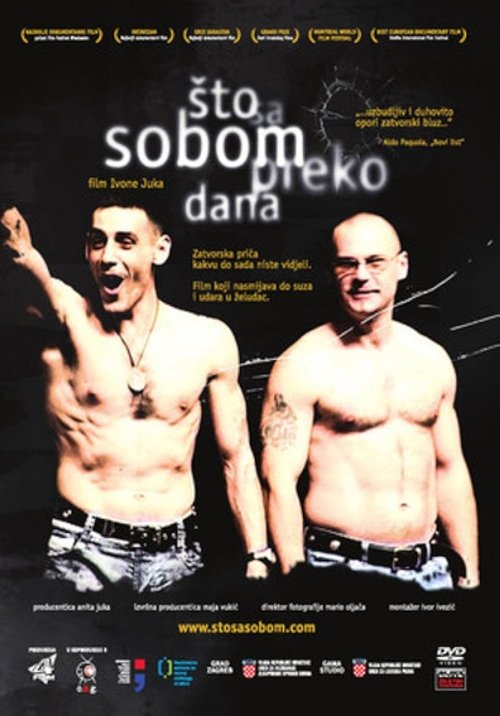
In 2018, the Nicaraguan police brutally repressed anti-government protests organised by high school students. K., a 17-year-old girl who was arrested, recounts the horrors of her time in jail.
Kochittacihuatl
as Narrator (voice)
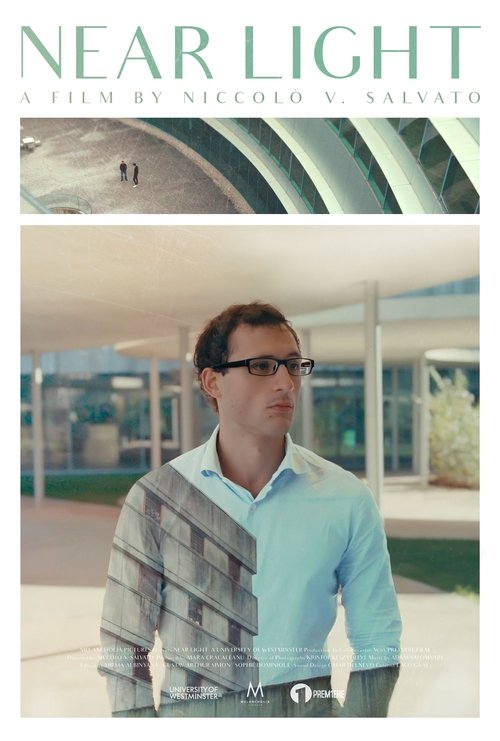
A young man, convicted murderer, has a chance of redemption when he enters the best Italian university of economics, going back and forth from prison to university every day.
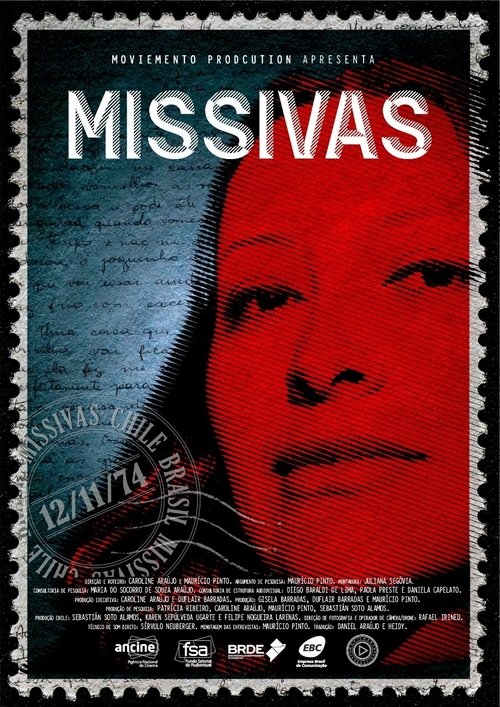
The Documentary tells the story of Jane Vanini from the author's reflections on her militancy-building process. Starting with the meeting of the two during the “Jornadas de 2013”, we will look at Jane's path as we follow steps, from her hometown, Cáceres, to Concepcion, in Chile. It is the possibility of discussing this journey from a personal point of view that makes this project unique and takes us to social, political and human borders. This window is opened to us through Jane's 41 letters to her family, allowing us to glimpse nuances of her intimacy and militancy choices. It was while researching Jane's militancy that the author debated these reflections on his own militant career and the context in which it takes place. Telling Jane's trajectory, going through her family and religious formation and its implications for her activism was one of the moments of encounter between these two days.
An ex mobster reflects on love and loss after spending 32 years in prison.
Biographical portrait of the labor movement and left wing movement in Uruguay, "Conversations with Turiansky" combines two stories. The first portrays the son of immigrants, the engineer passionate about the mystery of electricity, the man in love, the movie buff. The other places the protagonist in his time: union struggles, the advance of authoritarianism, prison and the challenges of the present. In both are present the lucidity, commitment, discreet tenderness and humor of Wladimir Turiansky.
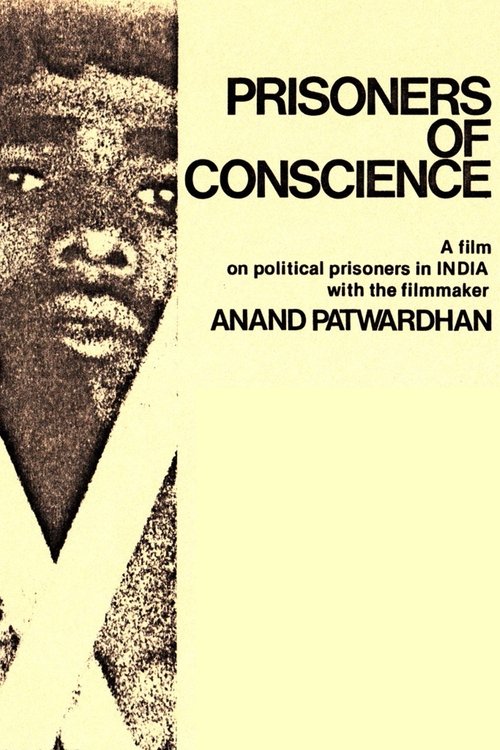
An early Patwardhan documentary completed in 1978, Prisoners of Conscience focuses on the state of emergency imposed by Indira Ghandi from June 1975 through March 1977. During this time over 100,000 people were arrested without charge and imprisoned without trial. They were released only by the government that replaced Ghandi's. The film also shows that political prisoners existed in India before the state of emergency and continued after the new government was elected.
In Paradisum relates two disturbing stories simultaneously. The female narrator tells her personal tale of imprisonment as the wife of the notorious Estonian serial killer, Andreas Hanni. Although her story is bizarre, it touches familiar themes that run throughout modern life: the desire to be loved and the fear of being alone. Pille Hanni's tale unfolds over cinema vérité images of life in several Estonian prisons. At times the images reflect in a literary way the events of the narration, yet they are representations and impressions, rather than traditional documentary style footage of the people involved. This opens the story to a more general interpretation, often with unsettling results. The parallel contents reveal, at two levels of story and social organisation, how the bizarre and inhuman can be tolerable and even addictive in the face of our fears.
The Prison Project is a short black-and-white documentary about the work of the Belgian photographer Sébastien van Malleghem in various prisons in Belgium. For years he portrayed prisoners without judging or judging them on what they did to get here.
Documentary about a political episode during the Brazilian military dictatorship, which resulted in the issue of the Institutional Act #5 (AI-5), abolishing freedom of opinion in Brazil, and marking the transition to the toughest period of violation of human rights in the country. The episode was the Congress Assembly on December 12th, 1968, in which its members denied permission to punish congressman Márcio Moreira Alves, as was the Government's wish.
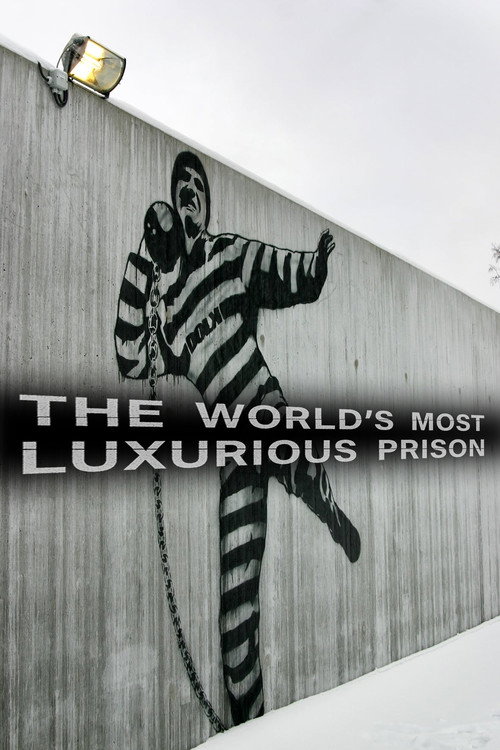
Former conservative Justice Secretary Ann Widdecombe visits a Norwegian prison that has been described as the most luxurious of its kind.
An organic farmer in Maine sets out to transform the prison food system. Seeds of Change captures the intersecting stories of life-long farmer Mark McBrine and several incarcerated men as they harvest their own meals from a five-acre prison garden unlike any other.
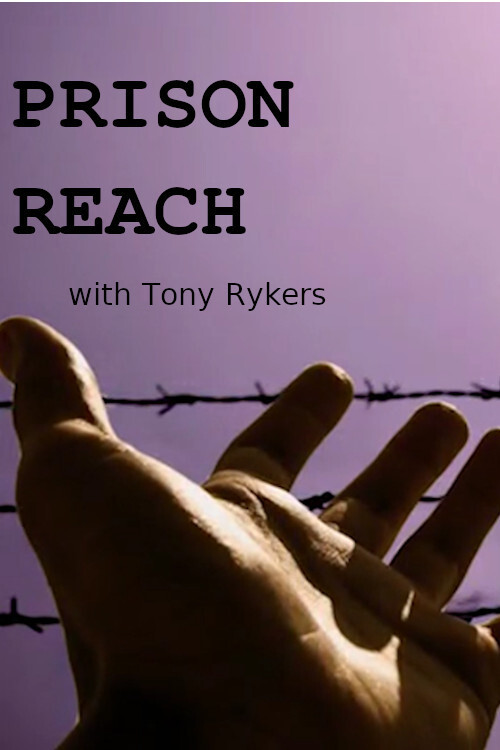
Join Tony Rykers as he takes us on an exclusive behind the scenes tour of an African prison in Mocuba, Mozabique. This unscripted and raw footage introduces you to the dreadful conditions many of the prisoners face each day and how, in a simple way, God is touching their lives.
August 29, 1979, Talavera Bruce Penal Institute, Bangu, Rio de Janeiro. After serving eight years in prison, Inês Etienne Romeu, the only survivor of the "House of Death" in Petrópolis and the first political prisoner sentenced to life in prison in Brazil, left prison benefiting from Amnesty. Norma Bengell filmed this moment: from the prison door to her home with her family, Inês was welcomed by family, friends and members of the Brazilian Amnesty Committee, in what marked the first act of the historic denunciation that Inês would carry out against her tormentors and the Military Regime.
In their own haunting words, Fleece Johnson and Donta expose the brutal truth of prison-where power is taken, not given, and survival means exploiting the weak. This powerful film exposes the harsh truth of prison to steer youth away before it's too late.
Movie about prisoners in prison "Thorberg"
In Lepoglava, one of the most notorious penitentiaries in Europe, many regimes have trained their strictness by imposing the brutal methods of the so-called prison rehabilitation. Lepoglava is still the central Croatian penitentiary, in which several prisoners have decided to take up Shakespeare. This is the story about those of them who would today, were Shakespeare alive, be the heroes of his plays.